My Honest Review
The Ionian Sea The Aegean Sea My Honest Review
There are two seas situated either side of Greece – each bringing a unique holiday experience. One brings tranquil turquoise waters, limestone cliffs, white sandy beaches and lush green vegetation; the other, picturesque whitewashed houses against a deep blue sea backdrop, cosmopolitan nightlife and world-renowned sunsets. But how to choose?
In this blog I’ll outline the key factors of both the Ionian Sea and the Aegean Sea that will hopefully help you make the right decision for your Greek holiday.
Where is each sea situated?
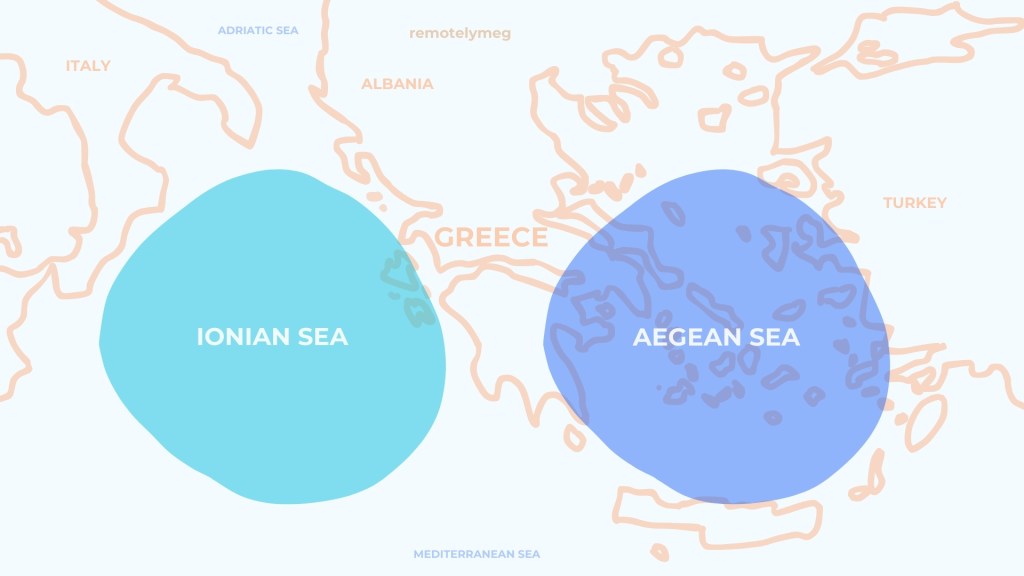
The Ionian Sea is situated on the west of mainland Greece, bordered by the western coast of Greece, southern Italy, and Albania, while the Aegean Sea is situated to the east of mainland Greece, between Greece and Turkey.
Between these two seas, Greece has more than 6000 islands and islets under its name. Of these islands, 227 are inhabited, 14 of these lie in the Ionian Sea and the other 200+ islands lie in the Aegean Sea.
Both seas offer a completely different holiday experience as they have very different climates, cultures and cuisines. Let’s dive into each so you can understand them better.
The Ionian Sea
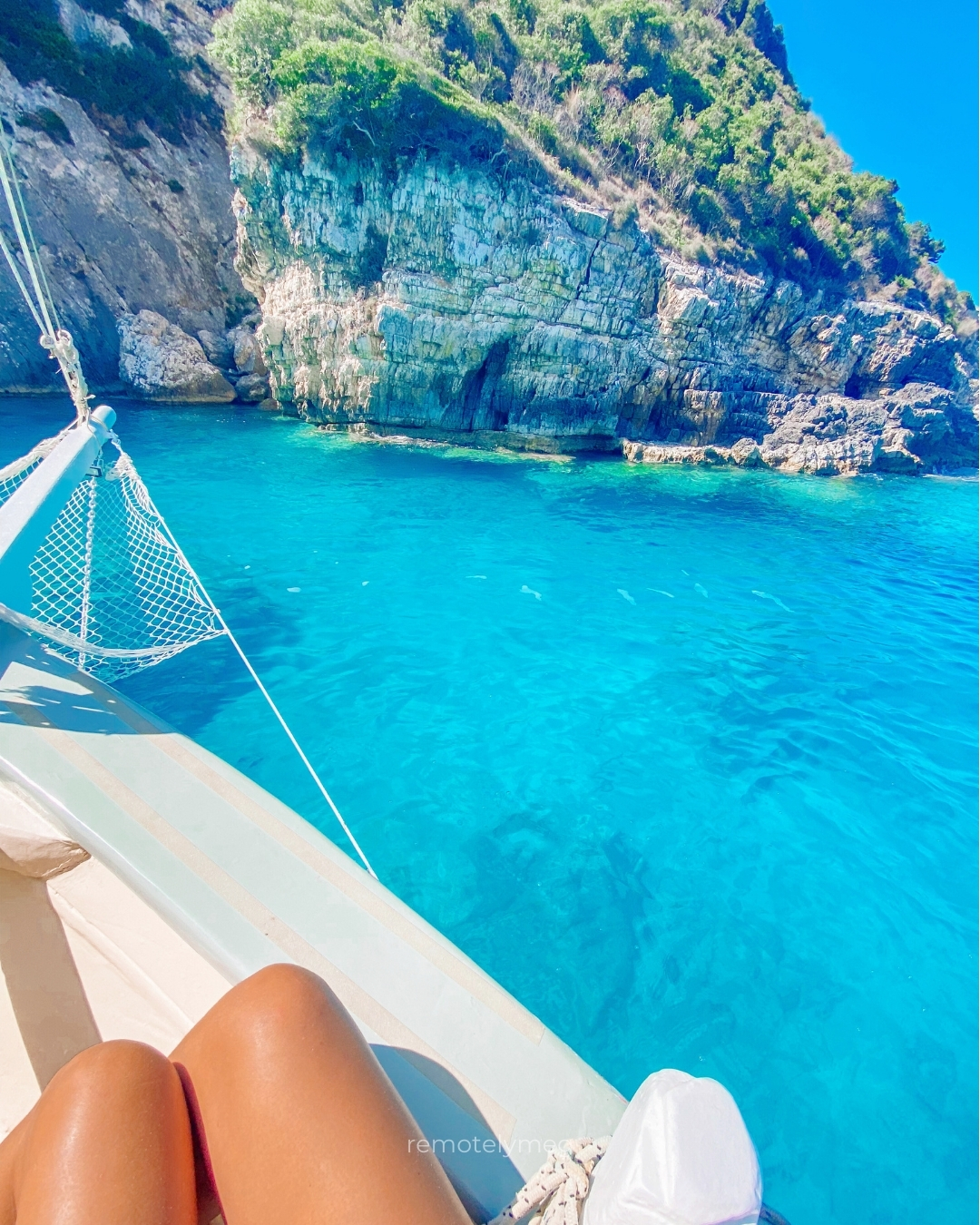
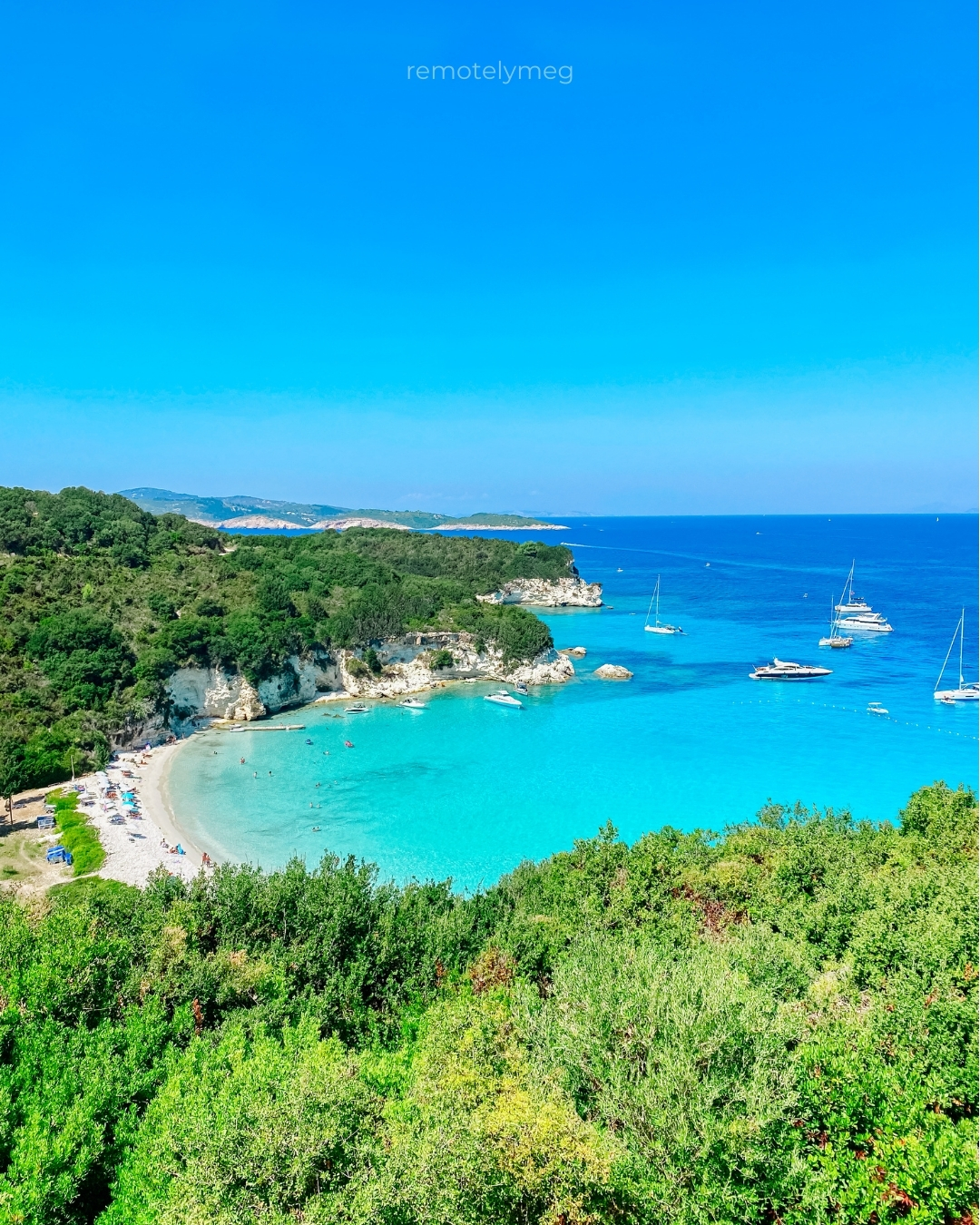
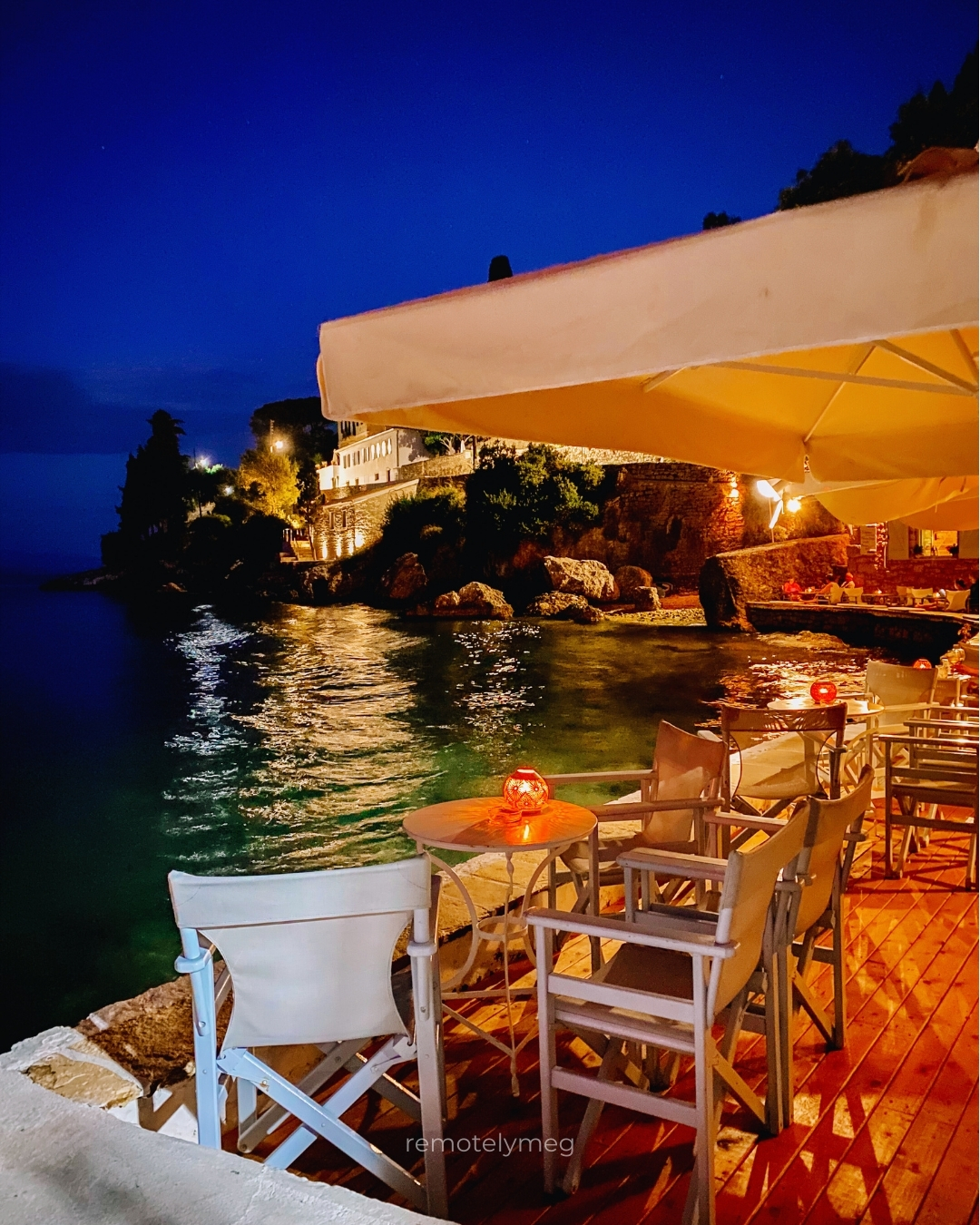
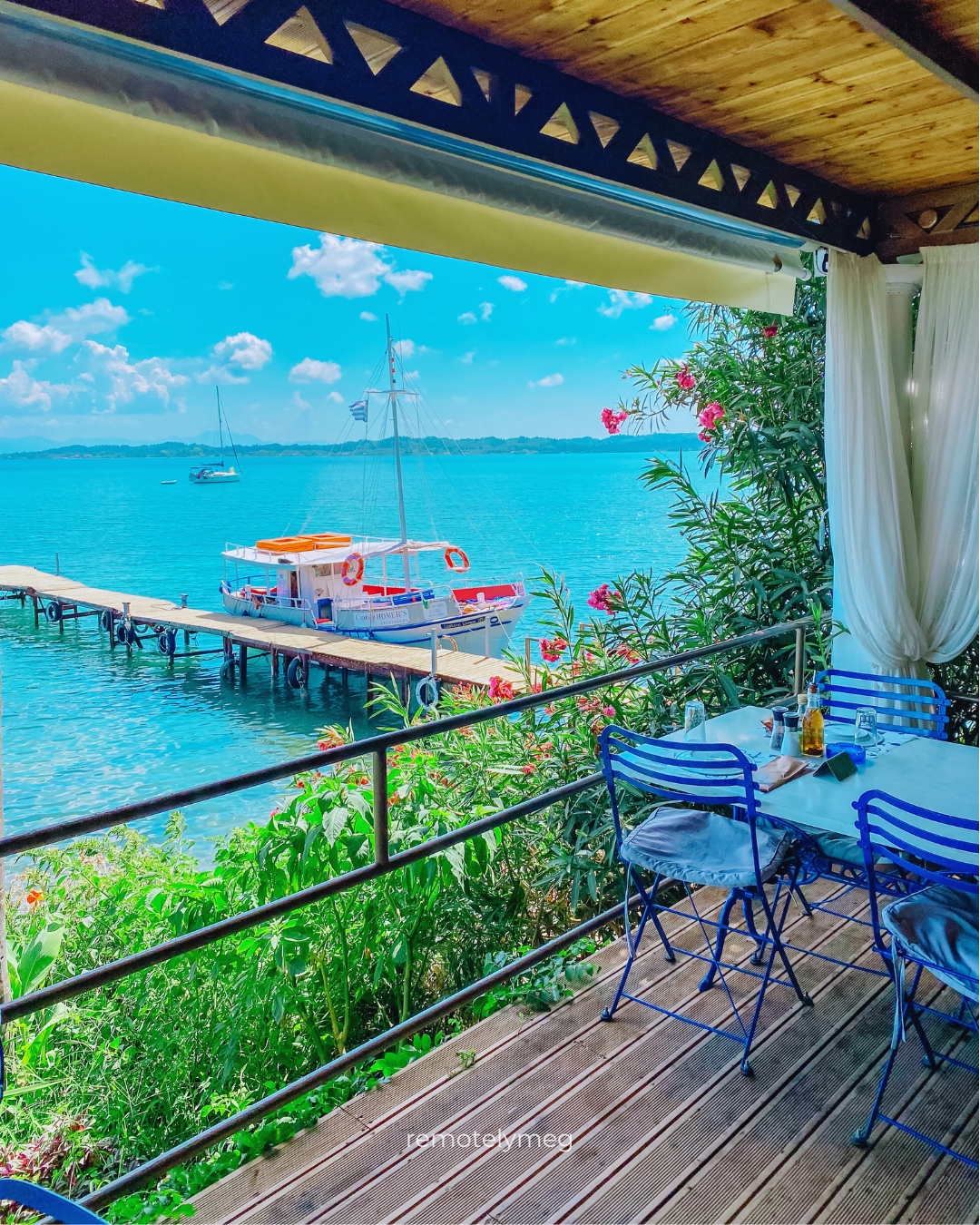
The Ionian Sea is much smaller and shallower compared to the Aegean Sea, and therefore boasts the most incredible crystal-clear turquoise waters (the best I have ever seen).
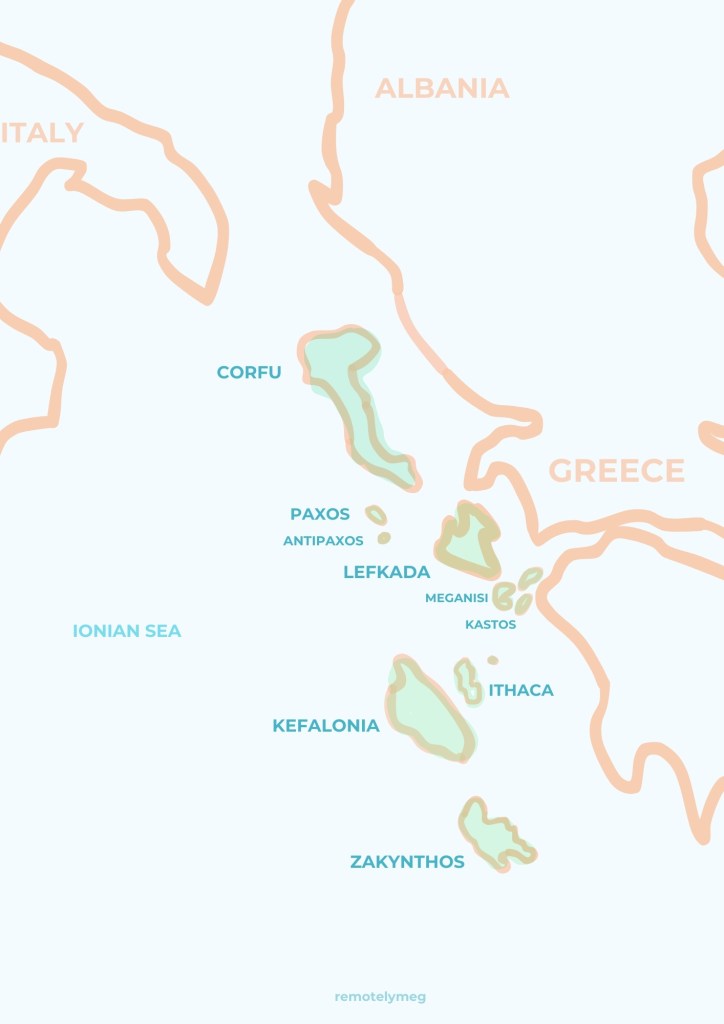
Greece has 14 inhabited islands situated in the Ionian Sea – the main islands being Corfu, Zakynthos, Lefkada and Kefalonia.
The climate of the Ionian Islands is a hot Mediterranean climate with temperatures quickly reaching mid 30 degrees Celsius (93-102 degrees Fahrenheit). Luckily, there is always a gentle sea breeze present.
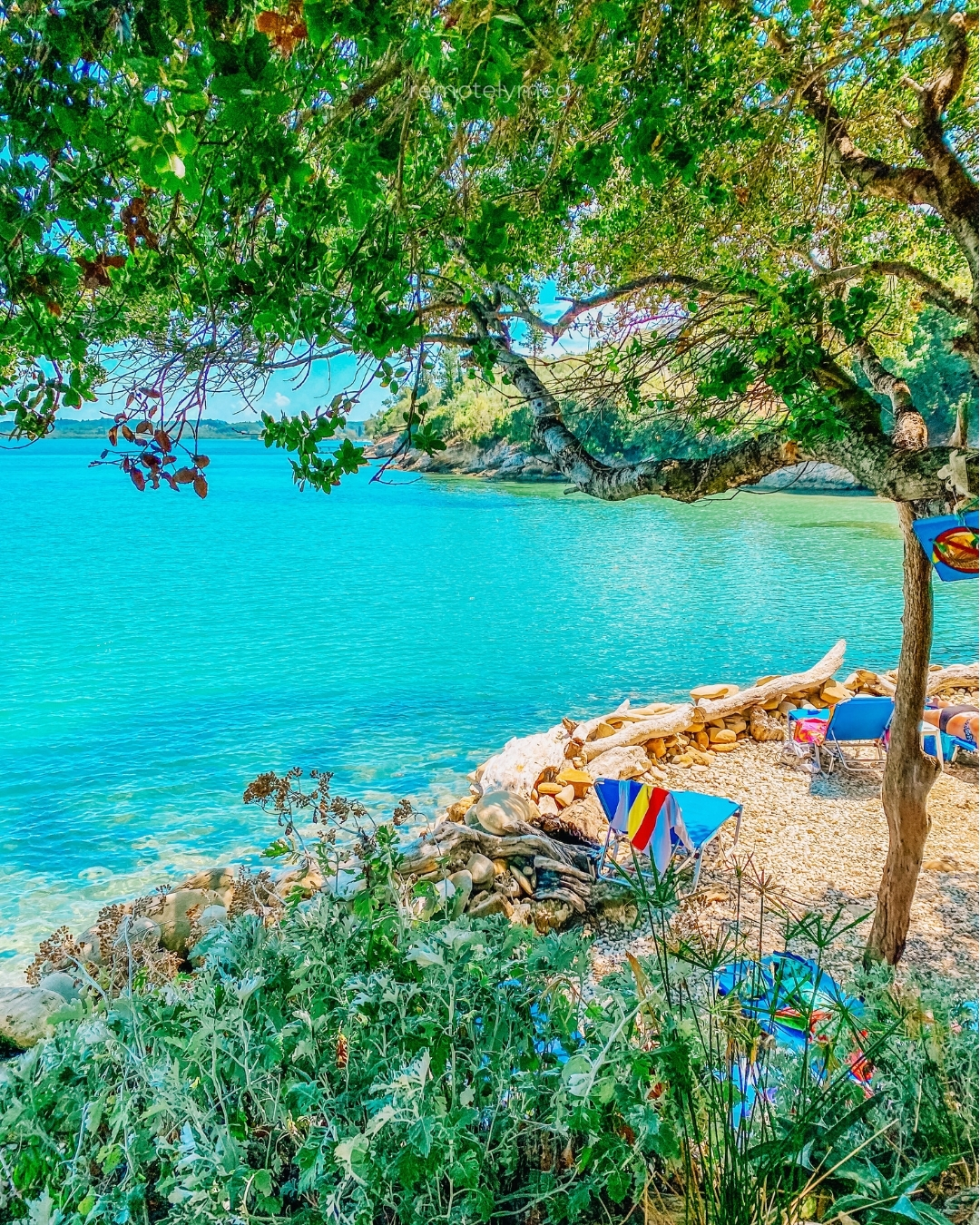
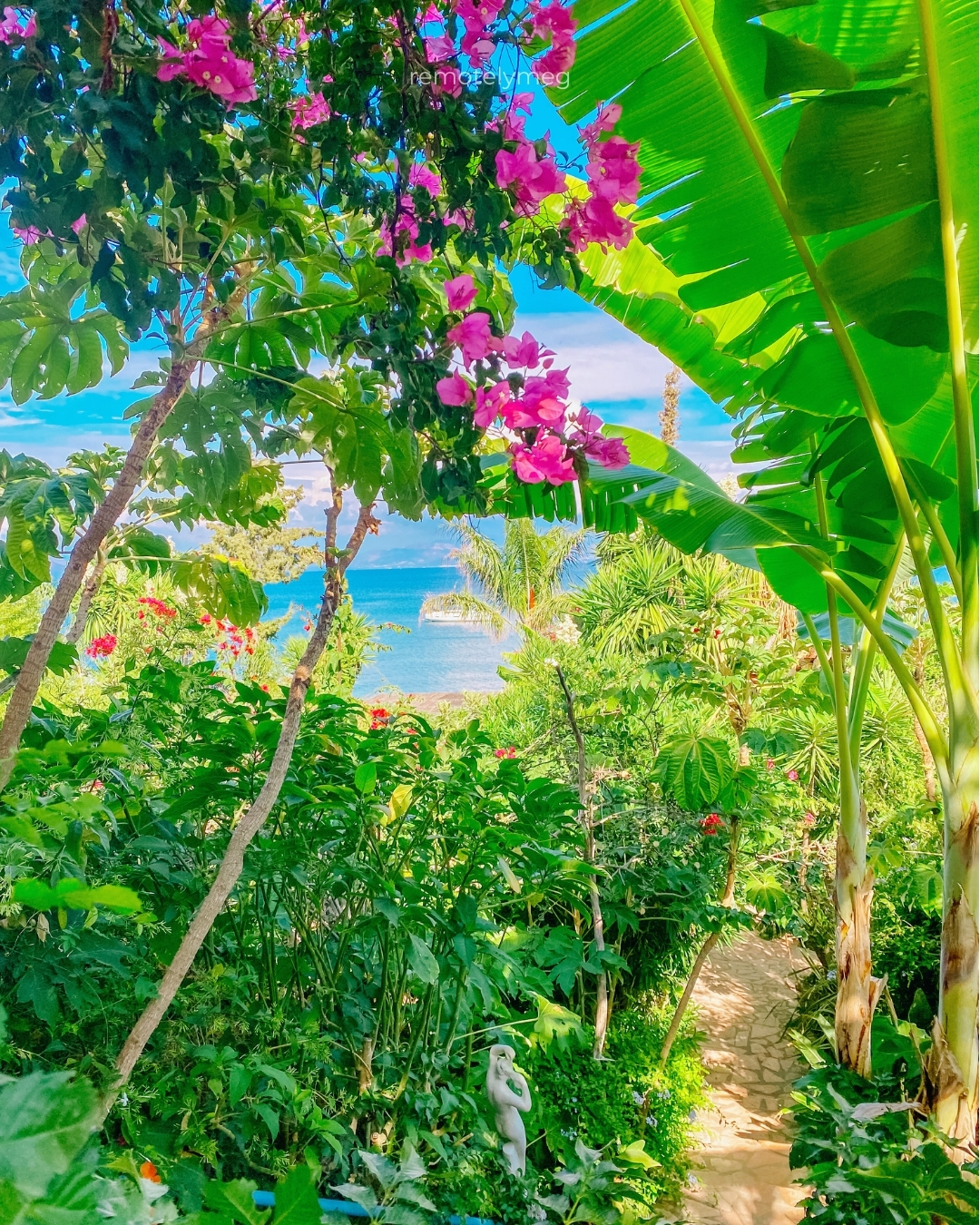
While there are no palm trees present, the Ionian Islands are characterised as the ‘tropical islands’ of Greece due to the rich greenery and vegetation along their coastline. The Ionian beaches are famous for their limestone rock formations (sometimes massive cliffs along the beach), soft white sand and smooth pebbles that meet the breathtaking turquoise waters.

Culture and Cuisine
The architectural styles of the Ionian and Aegean islands further draw them apart, and in many cases make it very easy to tell which is which. These styles are characterised by each island’s history, and are a representation of the different empires that ruled them throughout history.
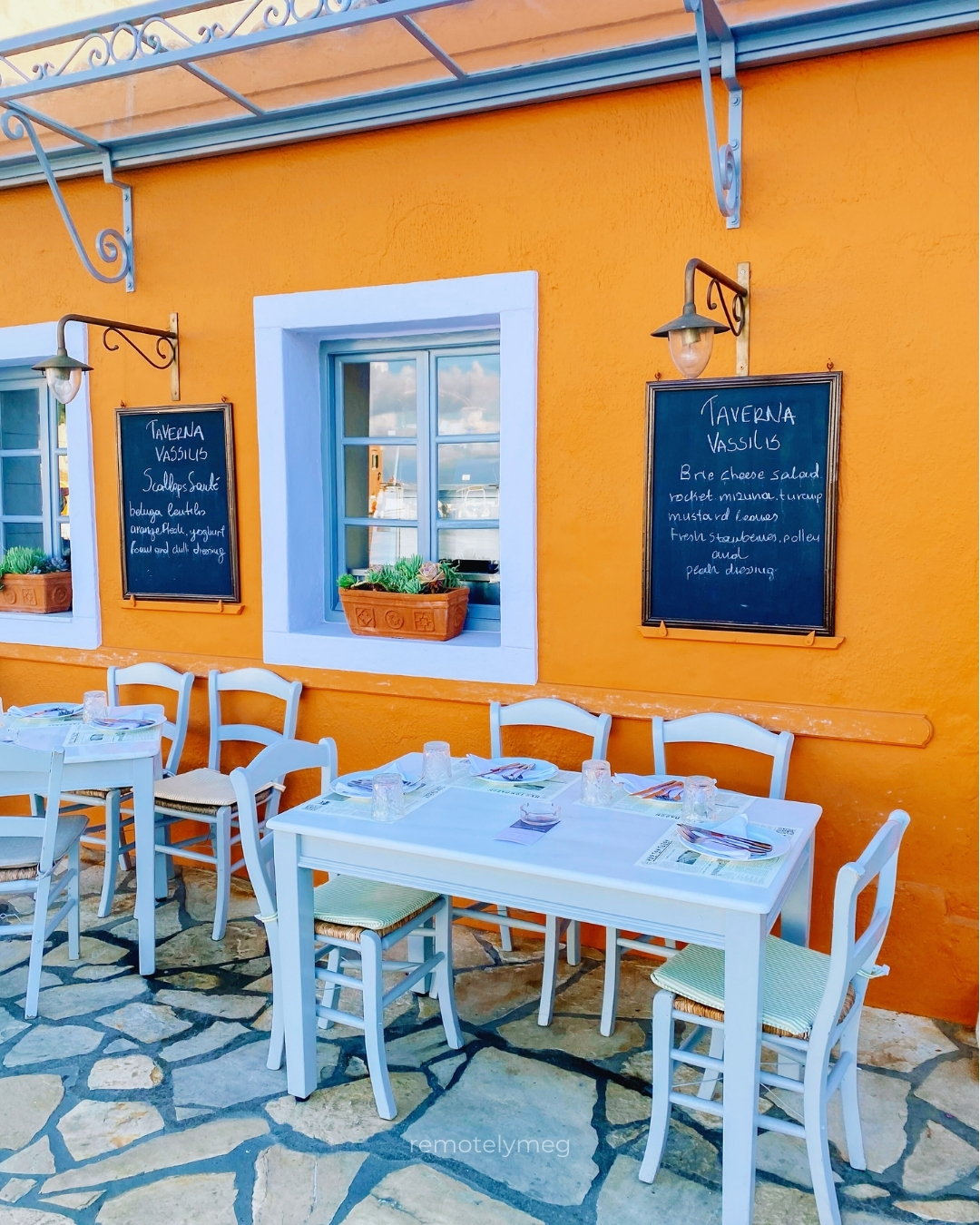
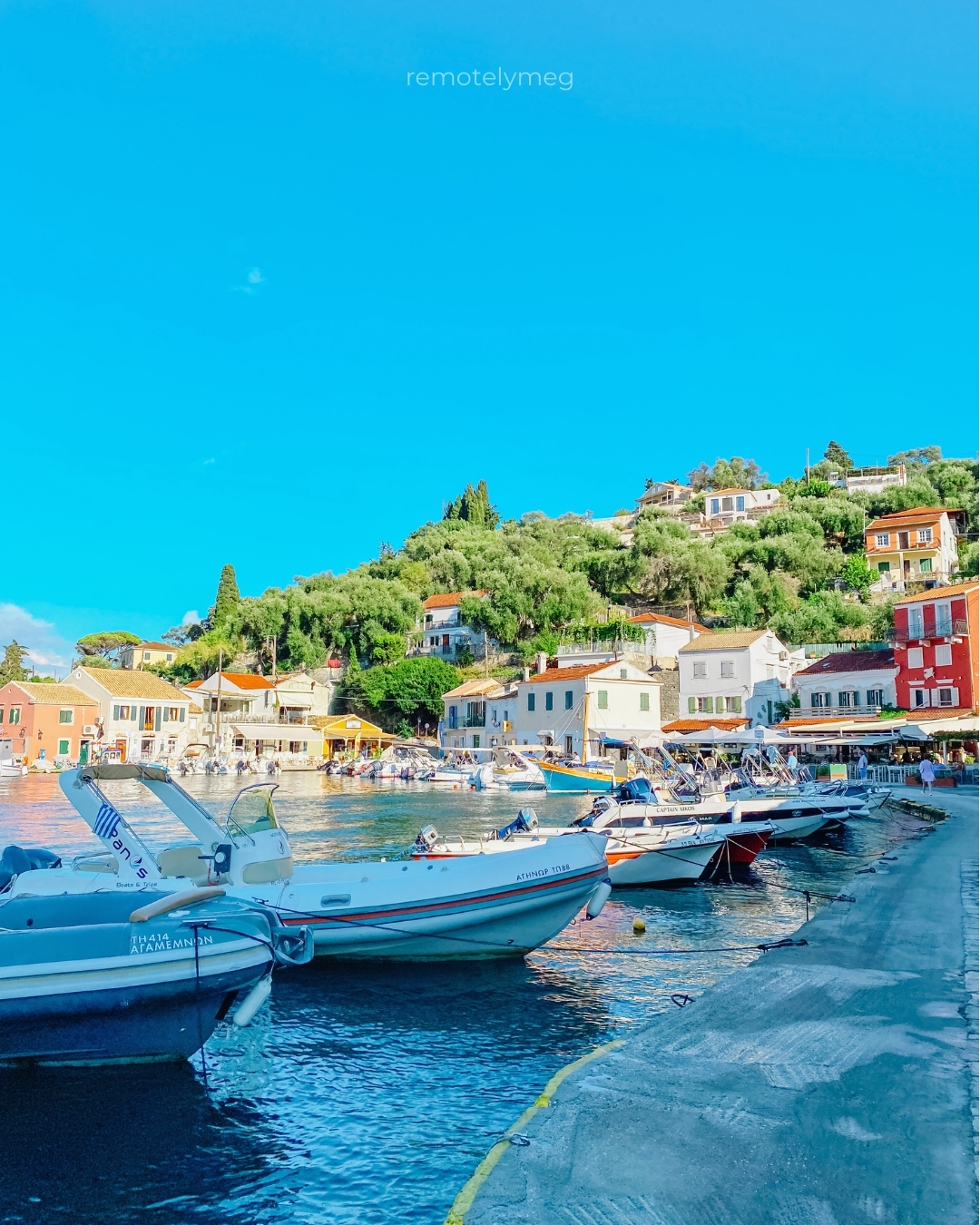
Venetian architecture dominates the Ionian islands as Corfu, Zakynthos, and Kefalonia belonged to the Venetian Empire from the 14th to late 18th century. Venetian architecture is the most prominent when entering the harbour of Corfu, as you are met by colourful buildings and labyrinthine, cobblestone streets – bearing a striking resemblance to Venice.
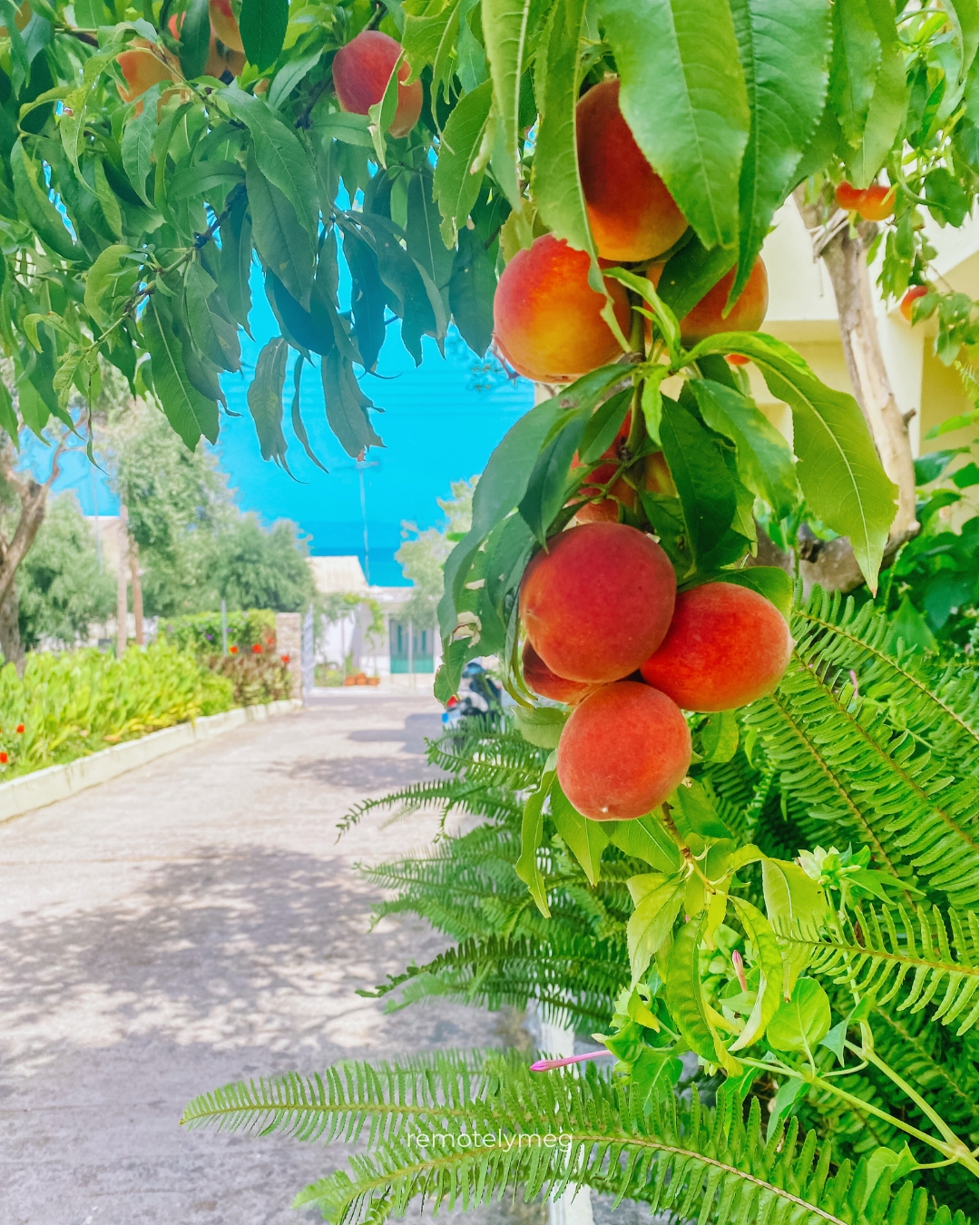
This Venetian presence across the Ionian islands is not only prominent in the architecture, but also in the mellifluous speech of many locals, the rich musical traditions and dances, and even the traditional cuisine. With centuries of influence from various European empires, such as the French, Italians, and British, the western Mediterranean influence is still strong across these islands, especially in traditional cuisines, characterised by fresh seafood, olive oil, and locally grown produce, with an Italian and Mediterranean flair. While visiting the Ionian islands, be sure to try pastitsada, bianco, sofrito, savoro, bourdetto, tsigarelli, tsilihourda, sartsa, skordostoubi, aliada, and riganada.
Locally produced wines, kumquat liqueur and ginger beer are also unique to the Ionian islands, and be sure to try their traditional sweet treats and desserts too, such as mandola, pantespani and pasteli.
The Aegean Sea
The Aegean Sea is much larger and deeper than the Ionian Sea, which is why it appears a much darker blue in colour. It covers a larger area and has greater depths, making it a significant maritime region.
Some of the most well-known Greek islands are situated in the Aegean Sea, such as Mykonos, Santorini, and Rhodes, but there are over 200 islands inhabited in the Aegean Sea.
These islands are separated into the following clusters:

- The Cyclades (Mykonos, Naxos, Santorini),
- The Dodecanese Islands (Rhodes, Kos, Symi)
- The Northern Aegean (Samos, Chios, Ikaria)
- The Northern Sporades (Skiathos, Skopelos, Skyros)
- The Saronic (Hydra, Spetses, Dokos), and,
- Crete: Greece’s biggest island and one of the largest in the Mediterranean
Due to the Aegean Sea being more open and deeper, it can experience stronger winds and rougher seas at times, and because of this the Aegean islands have a slightly cooler and drier Mediterranean climate due to the strong wind presence. Average temperatures lie between 21- 28 degrees Celsius (69-82 degrees Fahrenheit) in summer.
The northern Aegean islands are dotted with pine trees and vegetation, while the southern Aegean islands vegetation is primarily in the form of bushes, with minimal trees scattered around the islands.
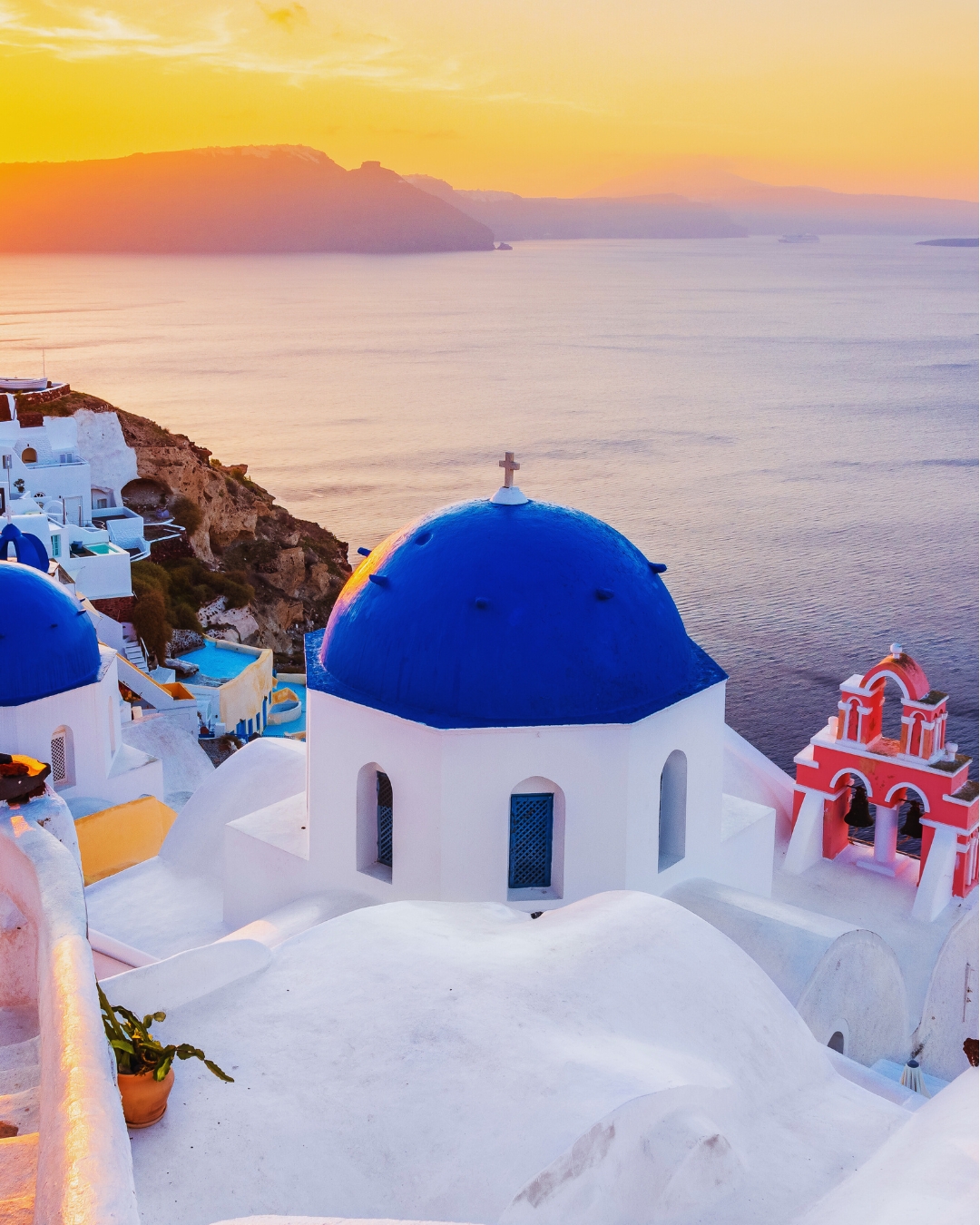
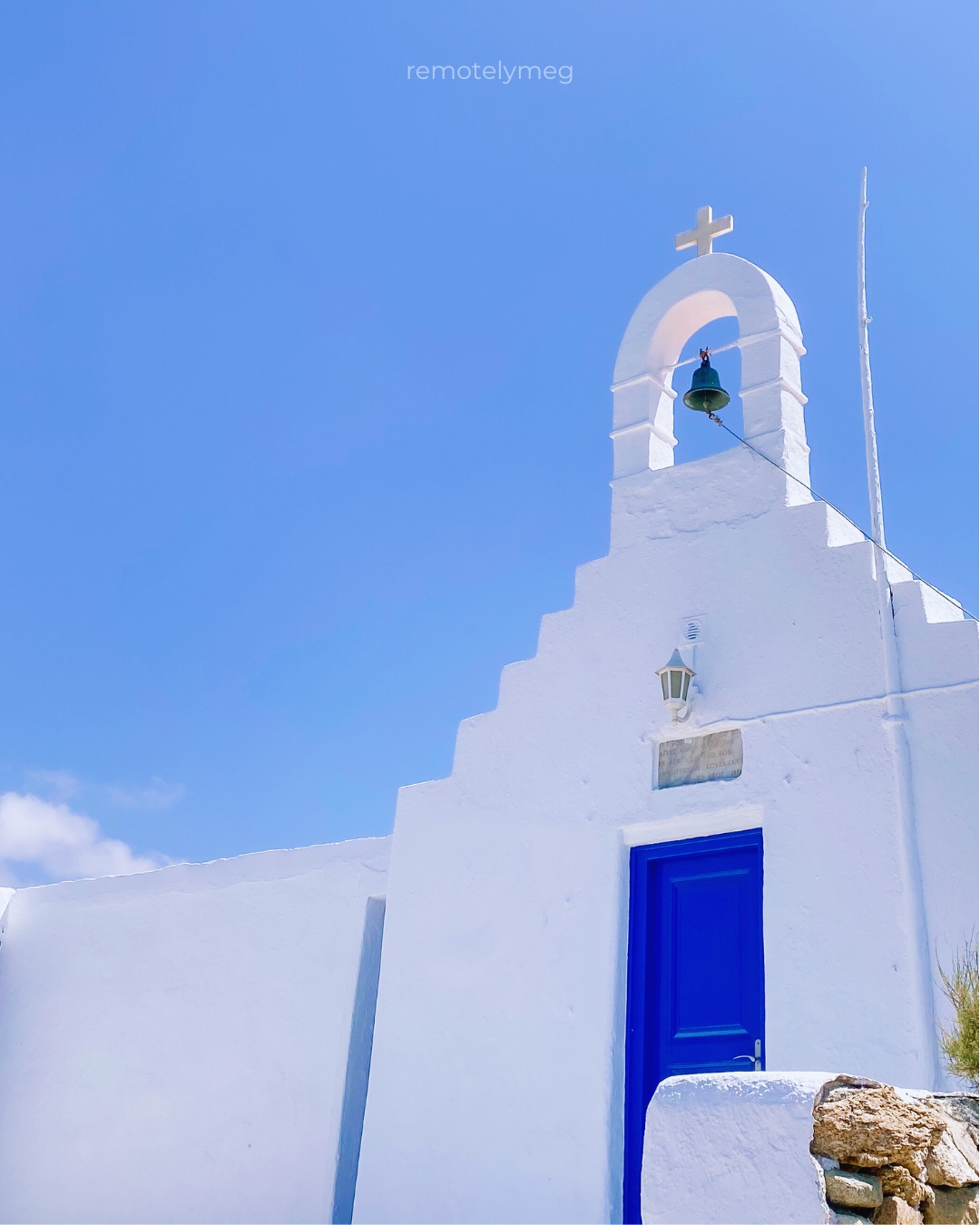
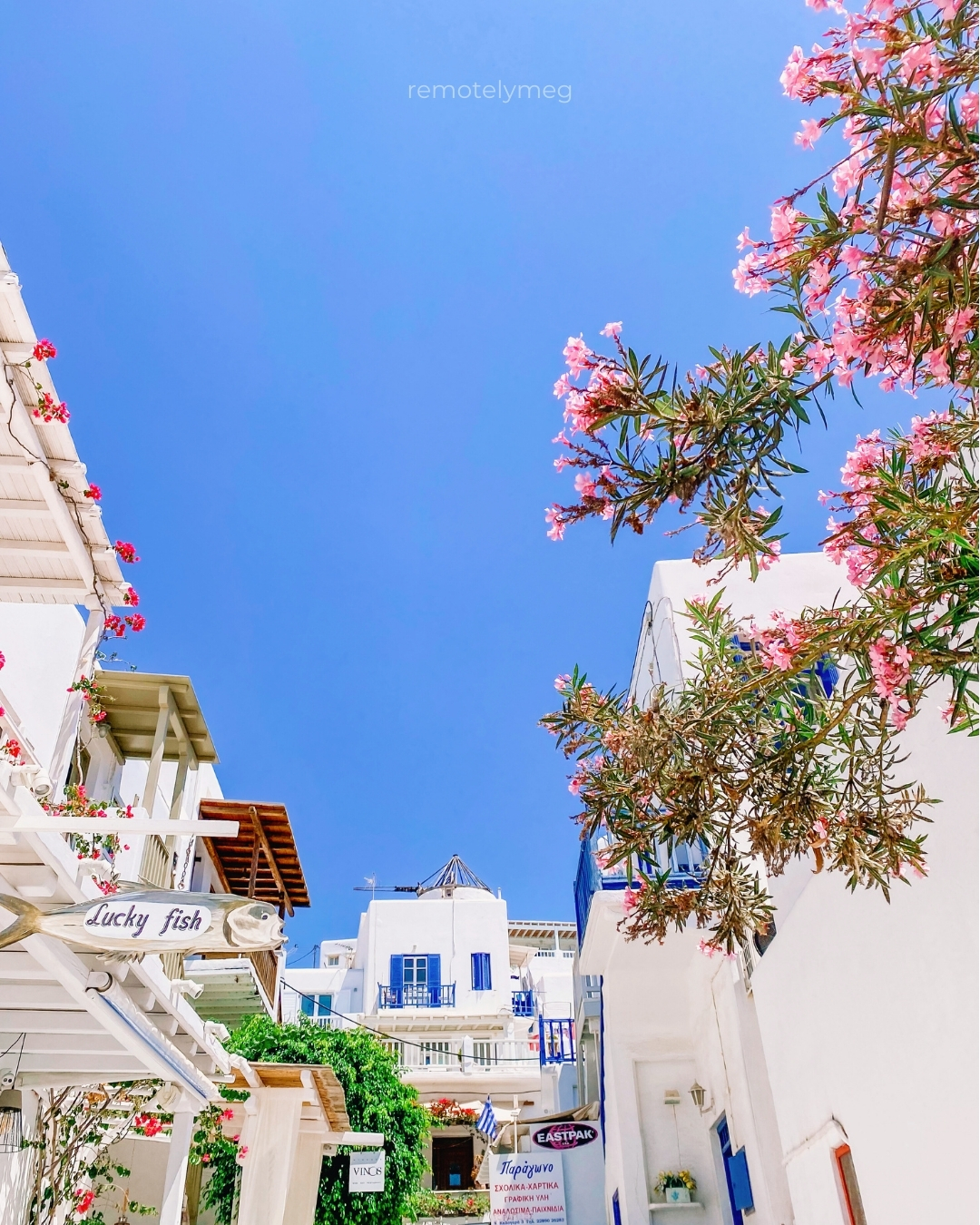
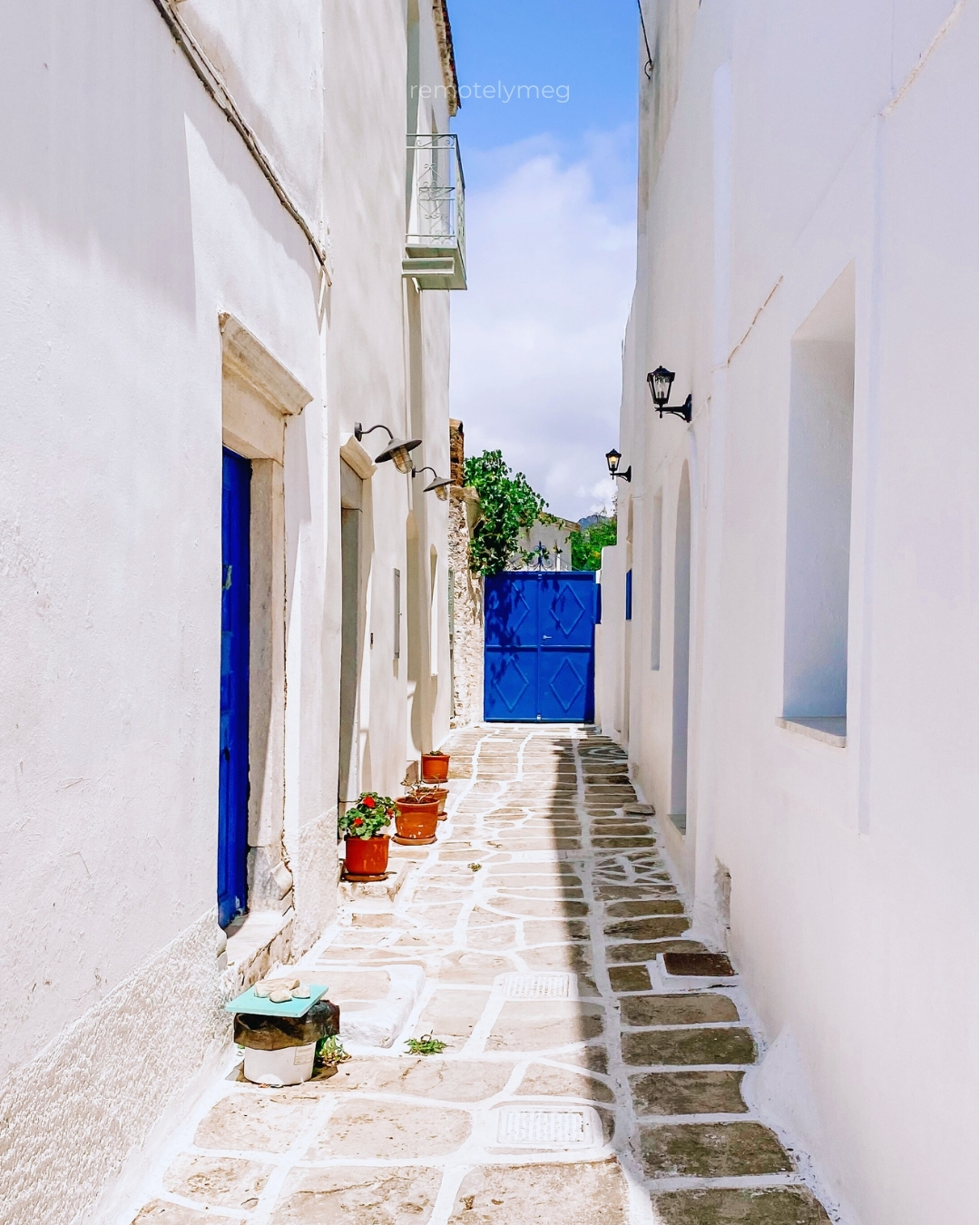
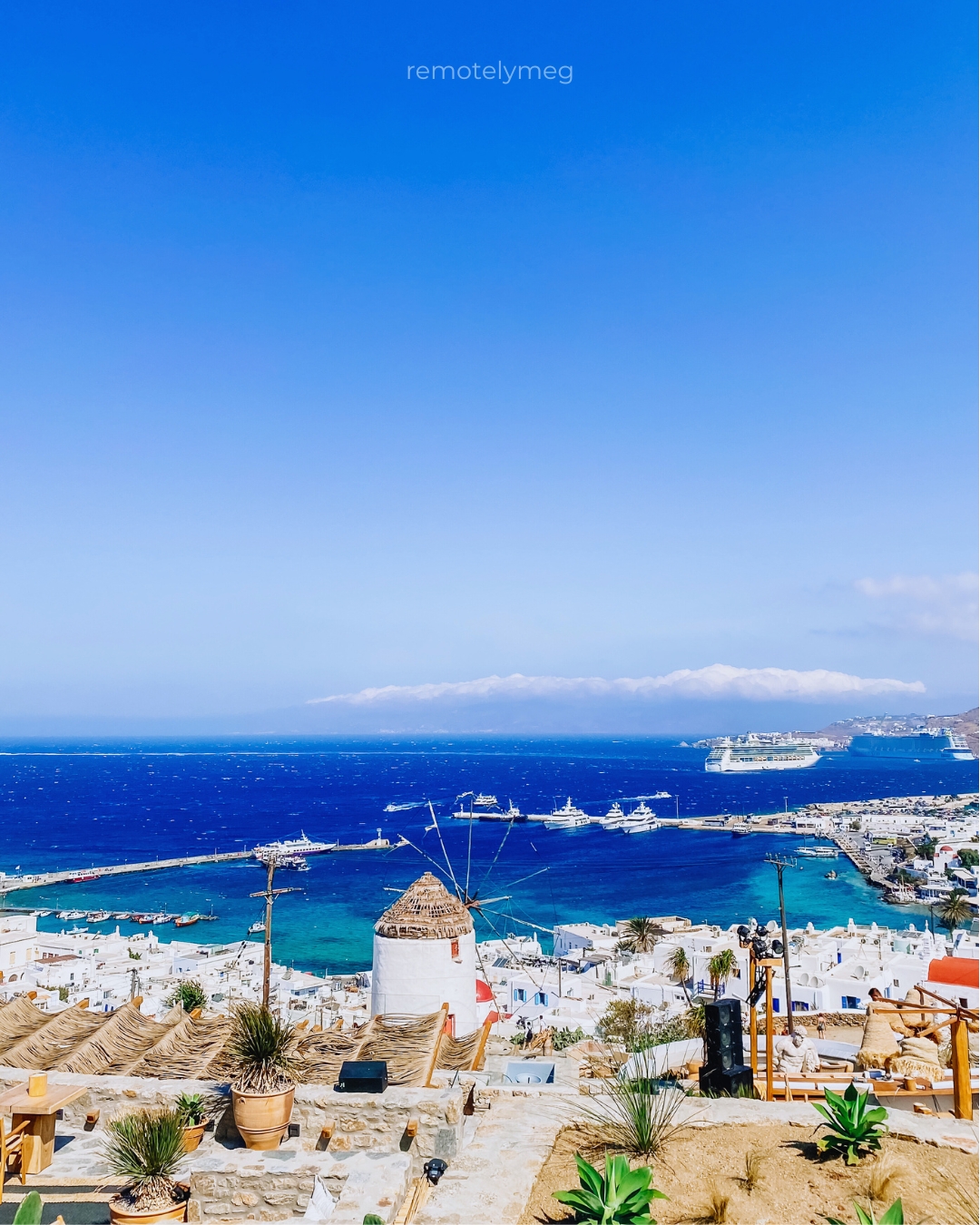
The typical Aegean landscape is characterised by deep blue sea, white chalk houses, blue domes and spectacular sunsets – made famous by Mykonos, Paros and Santorini. This is a unique Aegean view you won’t find anywhere else in the world.


Culture and Cuisine
The Aegean region boasts a rich and diverse architectural heritage, with distinct styles found across its islands such as Cycladic, Minoan, Ottoman, Venetian and Byzantine.
The most well known architectural style of the Aegean region would be the Cycladic architecture – whitewashed buildings with blue domes, as you see in Mykonos, Santorini and Paros. This unique architectural style, made from stone and lime plaster, blends seamlessly with the natural landscape, creating a harmonious and picturesque aesthetic, and worth all the hype. It truly is worth the visit to the Cyclades to see this architectural masterpiece.
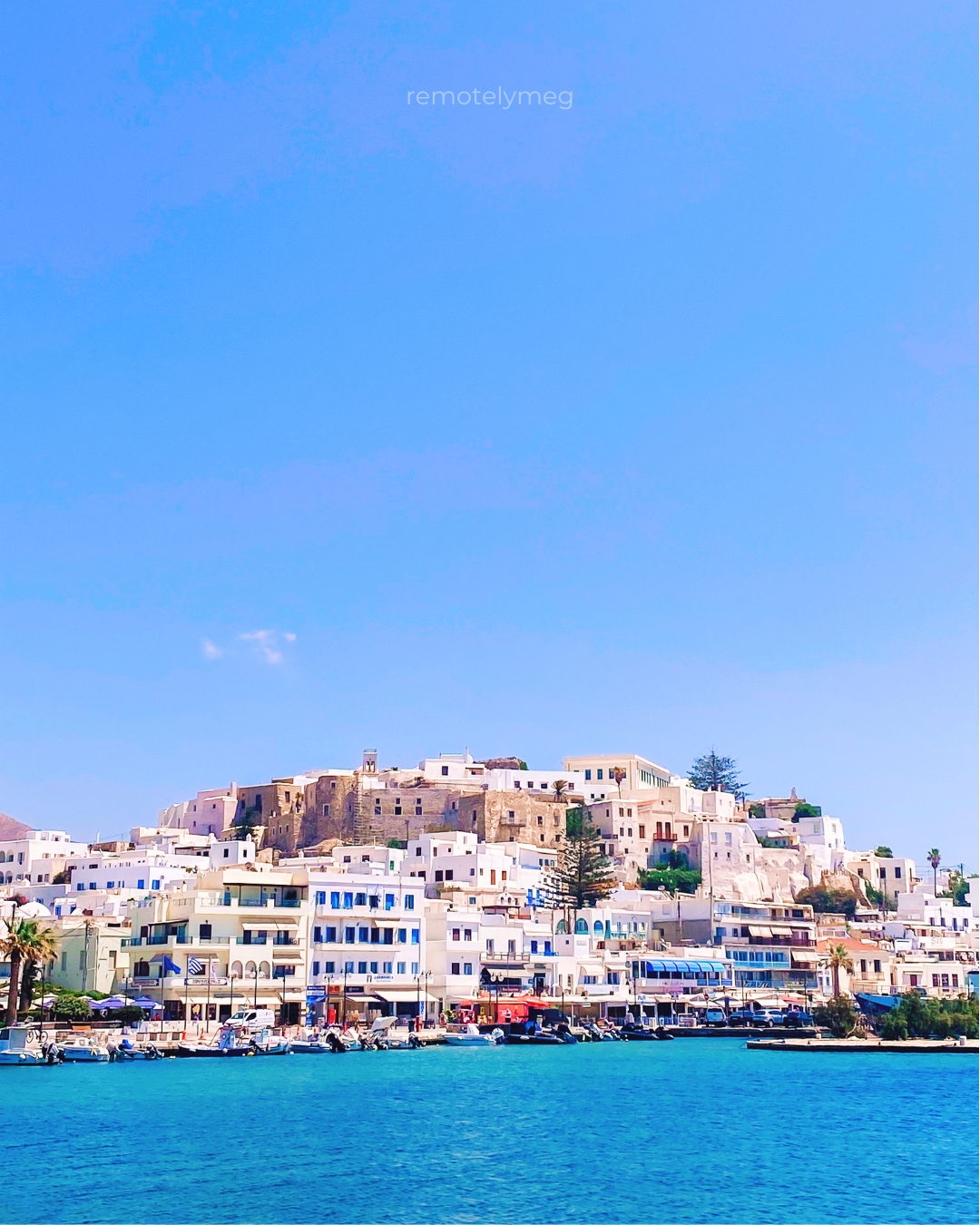
Other architectural styles include Minoan architecture (prominent on the island of Crete and characterised by complex palaces with multi-story structures, such as the Palace of Knossos), Ottoman architecture (prominent Rhodes, Kos, and Chios and characterised by domed mosques and hammams), Venetian architecture (prominent of Naxos and Rhodes where mediaeval castles, defensive walls, and Venetian-style mansions make up a large part of the town) and Byzantine architecture (characterised by churches and monasteries, and prominent on Patmos where the Monastery of Saint John the Theologian is a UNESCO World Heritage site).
Aegean cuisine reflects a simpler, more rustic style and emphasises freshly caught seafood, herbs, olives, olive oil, cheeses, sausages, sundried tomatoes, capers, and locally grown fruits and vegetables on the island. Due to the many different microclimates of the Aegean islands – specific products can be found on each island and nowhere else in the world, meaning each island has its own unique culinary experience. When visiting, be sure to taste the traditional dishes makarounes, dolmadakia, kassian pilaf, melitera, melopita, karpathos ‘vyzanti’, fava, patoudo, and kakavia – but these are just some of hundreds of traditional dishes available in the Aegean region.



My Honest Review
While both Ionian and Aegean Greek cultures share common elements such as a love of food, music, and history, each region has its own unique identity shaped by its geography and historical influences.
Climate, sea depth and architectural styles set these areas apart – and choosing which to visit will depend heavily on the type of holiday you are hoping for. Both island groups will give you a memorable Greek island summer holiday experience.
If you are looking for a tranquil holiday with idyllic beaches, calmer wind conditions, colourful fishing villages and nature, then the Ionian islands are a perfect match for you.
If however you are looking for those charming whitewashed buildings, mesmerising sunset views, glamorous cosmopolitan settings, and a more active holiday (partying and navigating the wind) – the Aegean Sea is calling to you.
Having experienced both during my travels in Greece, I would say that each destination had its own charm and appeal, and I would say that everyone should experience both at least once in their life.
For someone like me who is drawn to water, colours and nature – the crystal-clear turquoise waters of the Ionian sea are unbeatable. Paired together with the bright colourful fishing villages, limestone cliffs, white sandy beaches and lush vegetation of the Ionian islands – I was in my element and so relaxed. The Ionian islands feel far less crowded and touristy – and in the case of Paxos and Antipaxos you feel almost completely secluded, which adds to the tranquillity of the holiday.
I do enjoy a little chaos every now and then, which is how I would describe my time on Mykonos as it’s very crowded and extremely windy. I wouldn’t have been able to handle the chaos for more than 2 days. But nevertheless, the whitewashed houses and sunsets were breathtaking, and the parties were insane. If you are looking for more of the party atmosphere – Mykonos and Paros are for you.
Read ‘My Honest Reviews’ of Mykonos, Naxos, Corfu, Paxos and Antipaxos for more travel tips on each island.


 remotelymeg