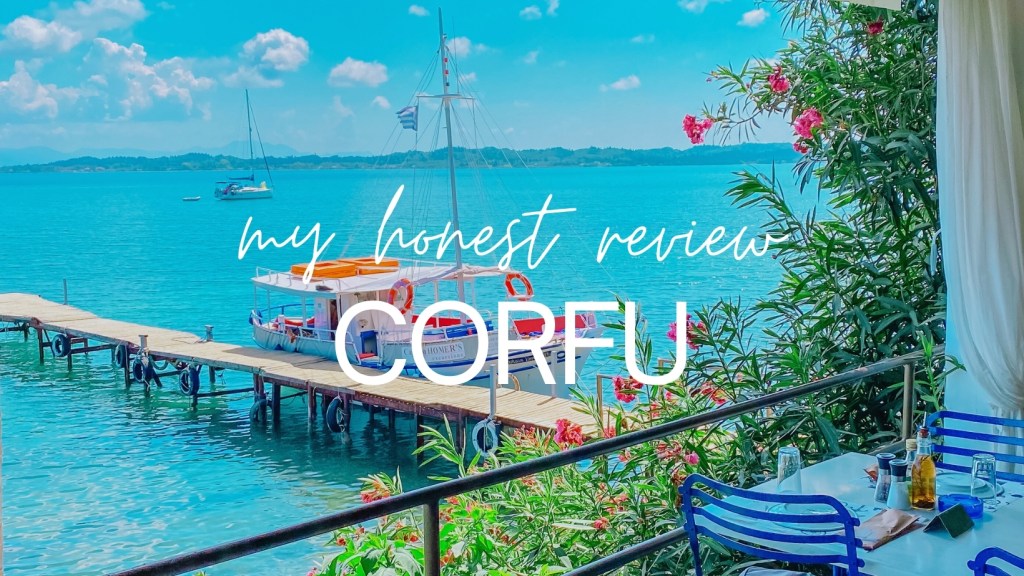
My Honest Review
Areas of Corfu Highlights of Corfu Getting around Corfu My Honest Review
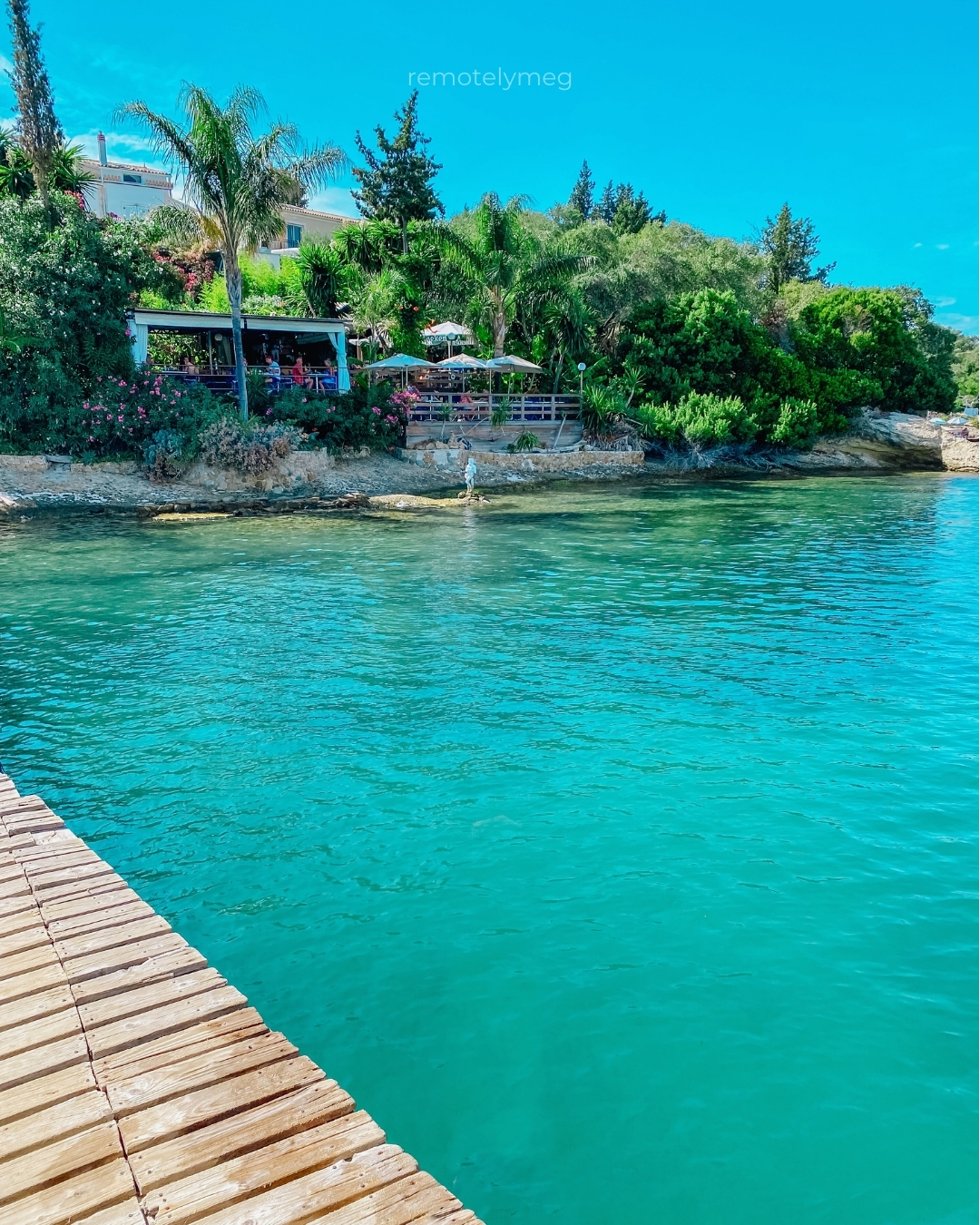
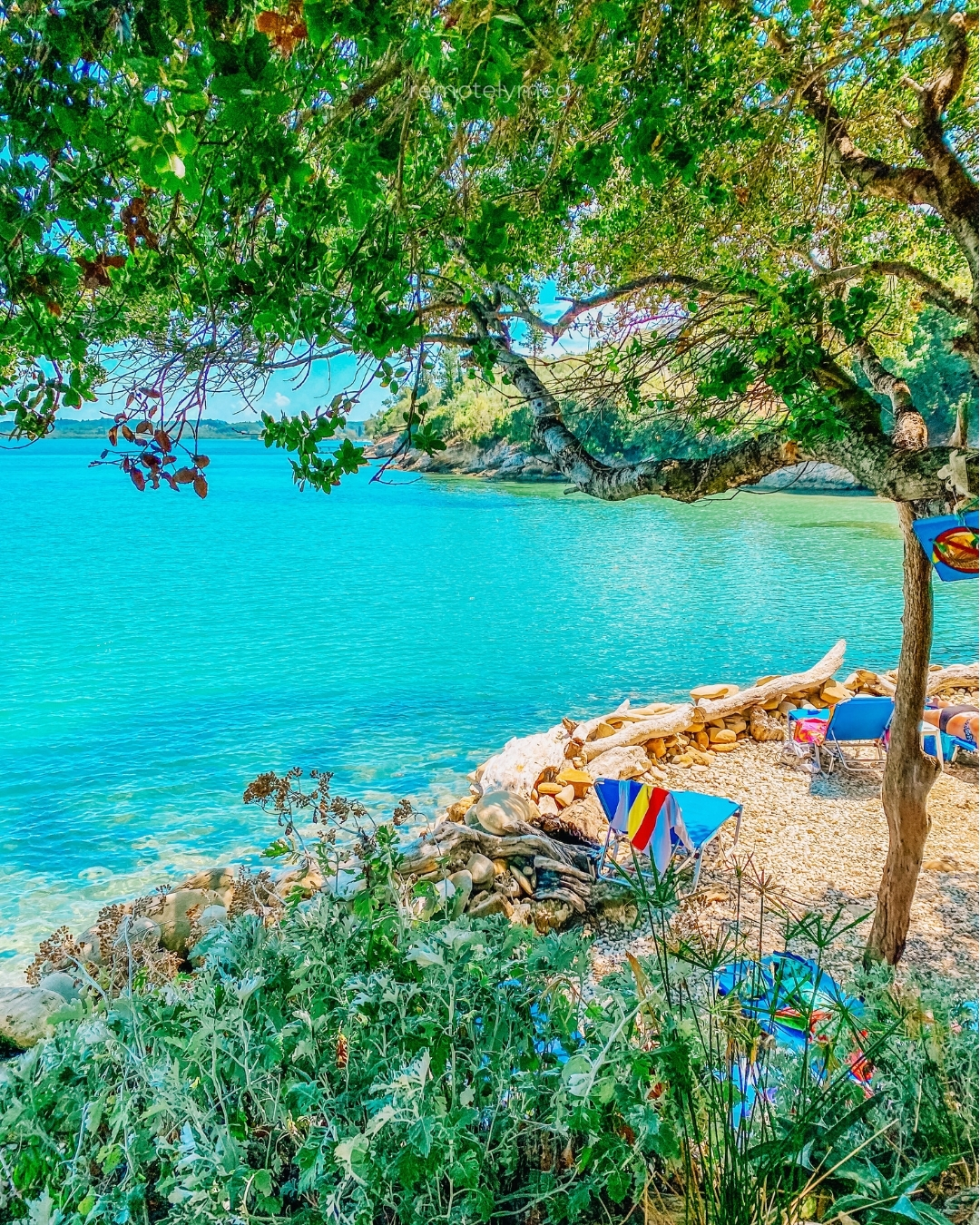
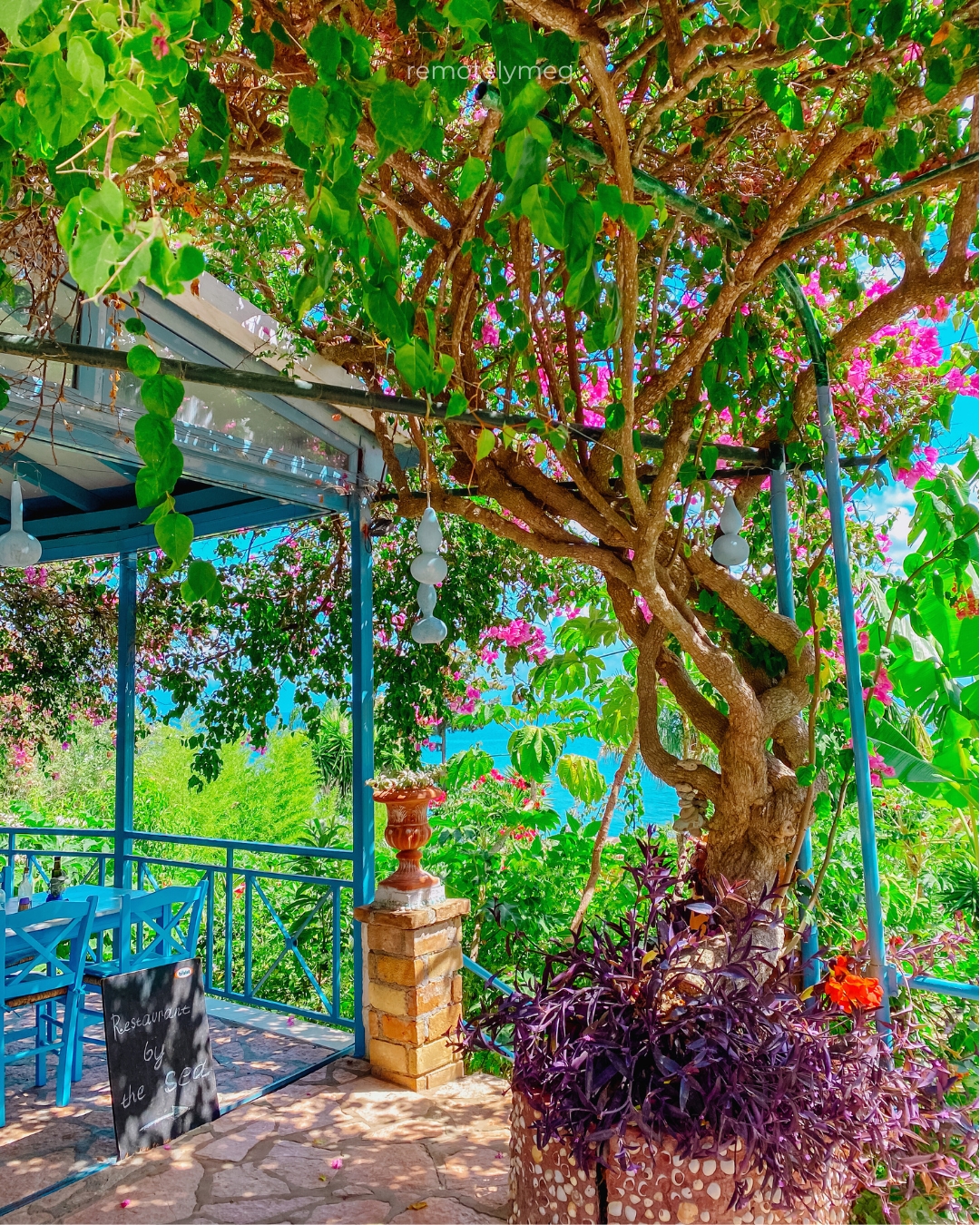
If there’s one word I would use to describe Corfu – its colour!
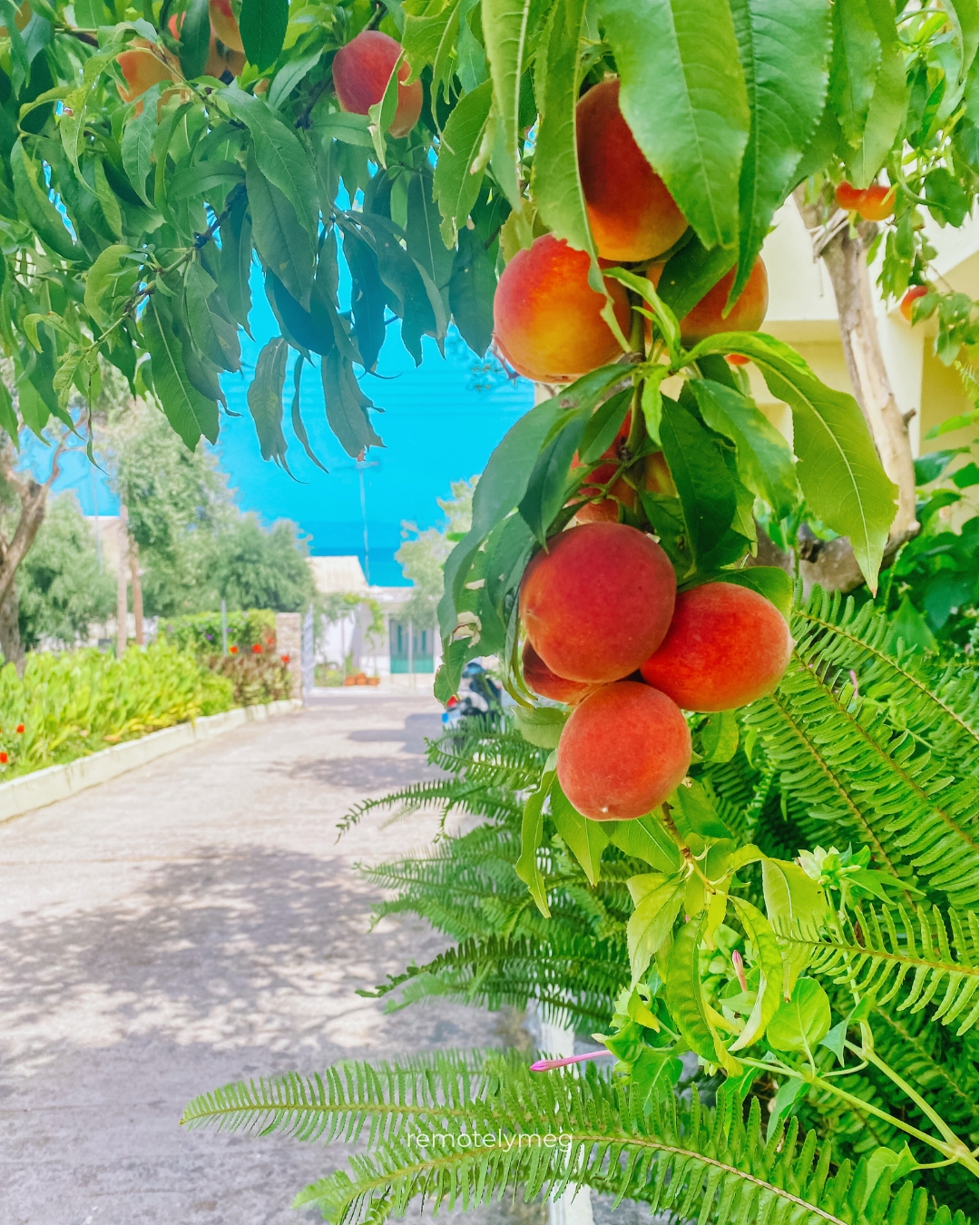
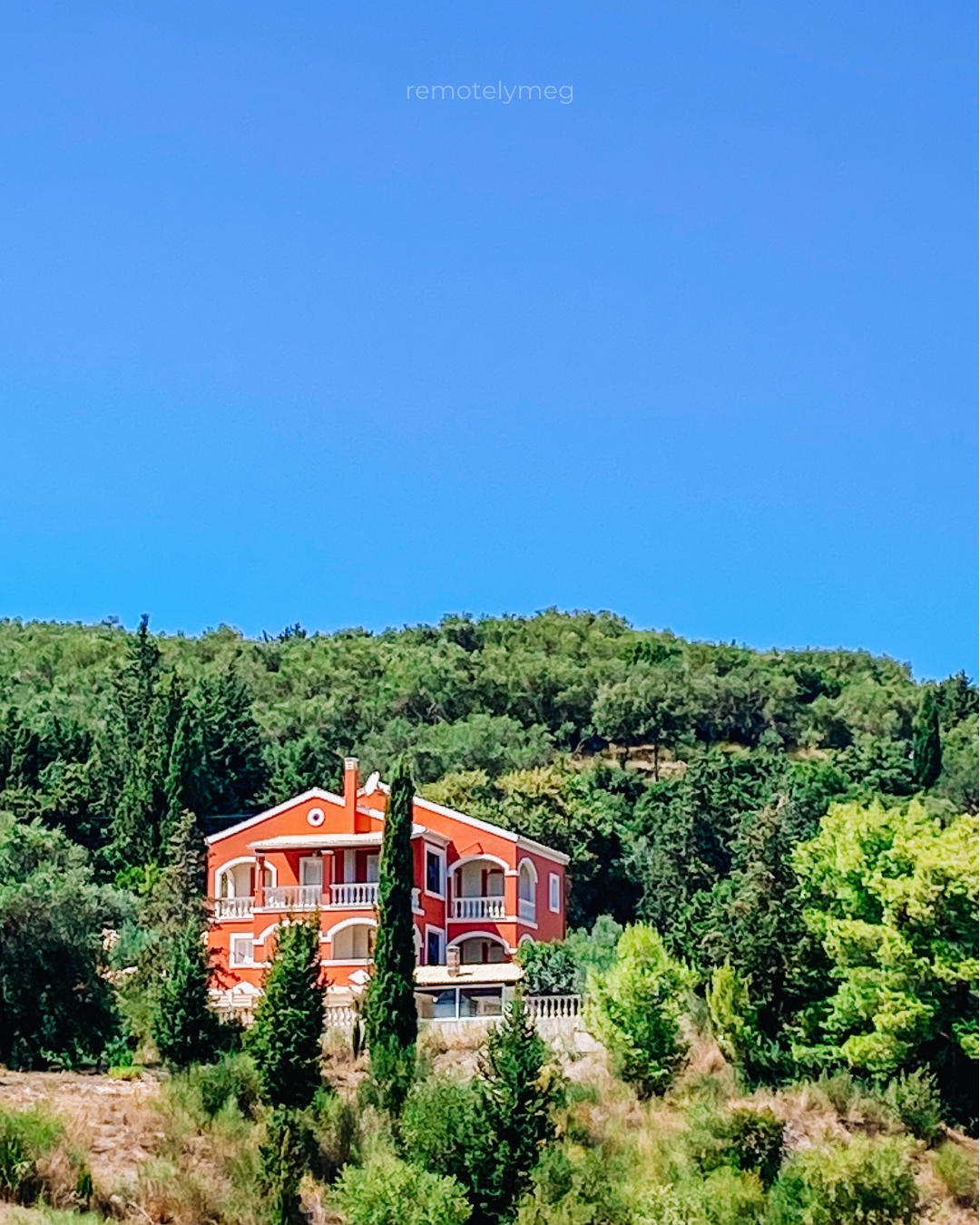
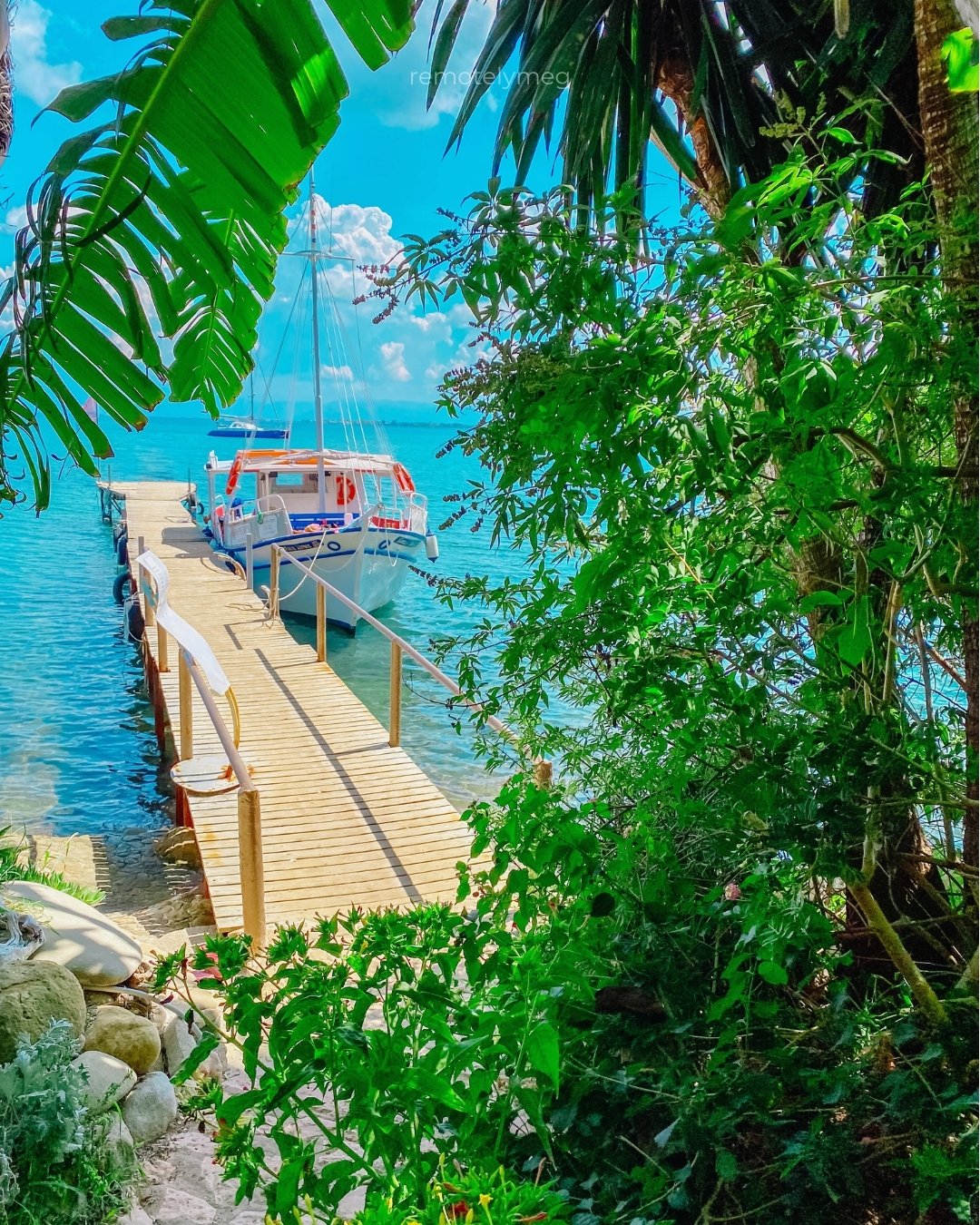
If it’s not the vibrant colourful houses and churches scattered around the island, it’s the colourful flowers and fruit trees blossoming in this lush paradise.
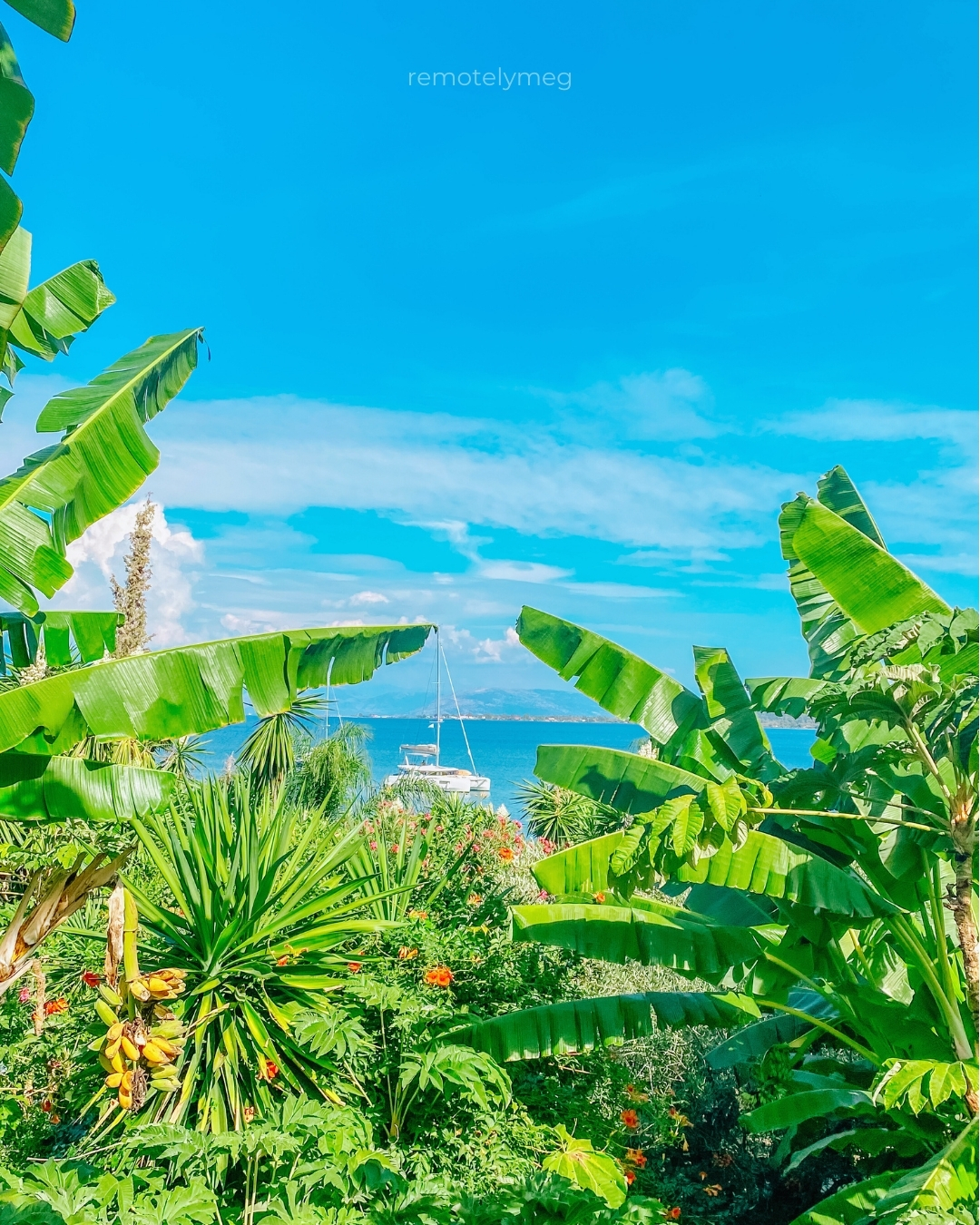
Coming over from the Cycladic islands in the Aegean Sea (opposite side of Greece) I was immediately overwhelmed with Corfu’s lush landscape and was delighted to see more greenery – an abundance of trees, fruits, flowers and grass.
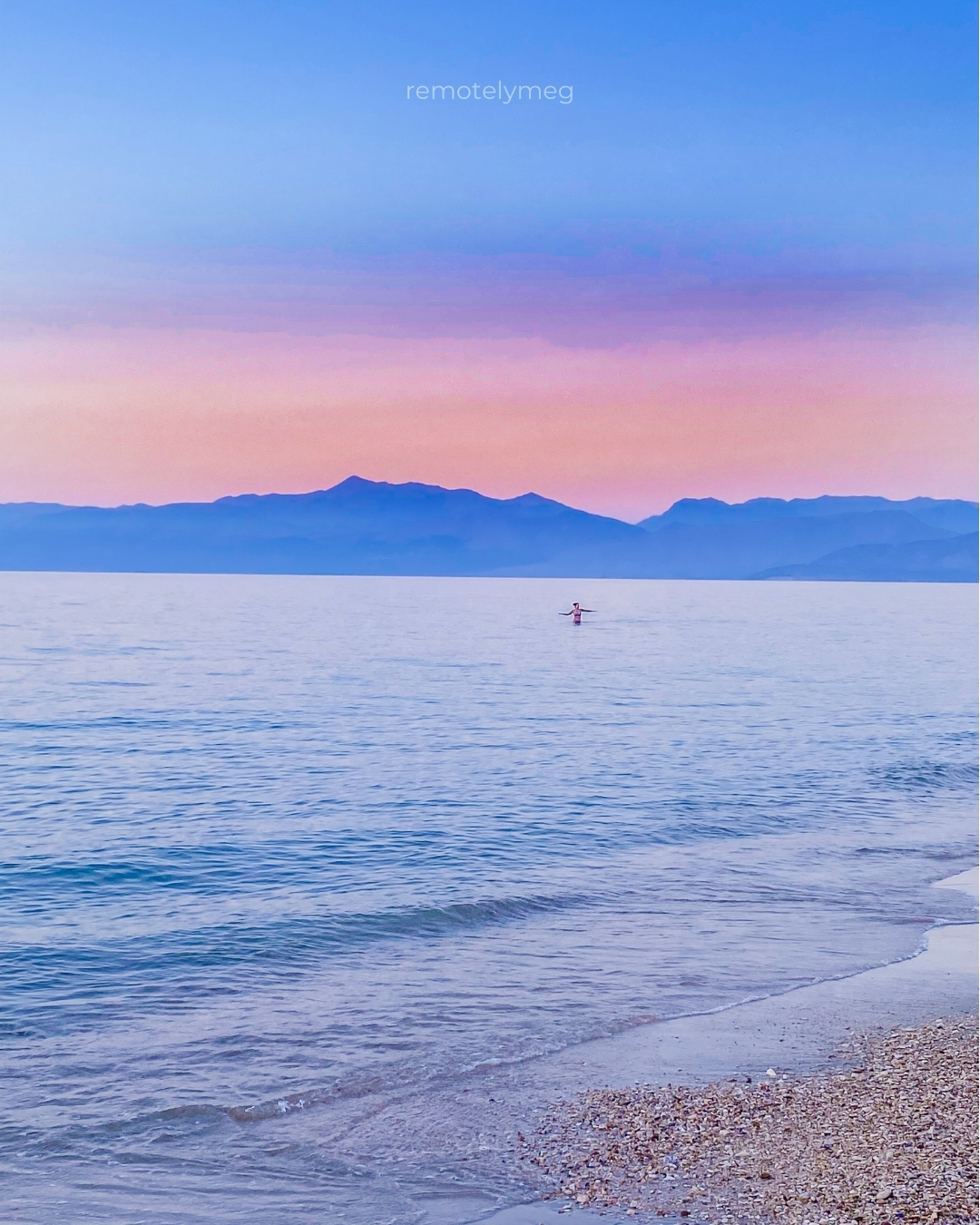
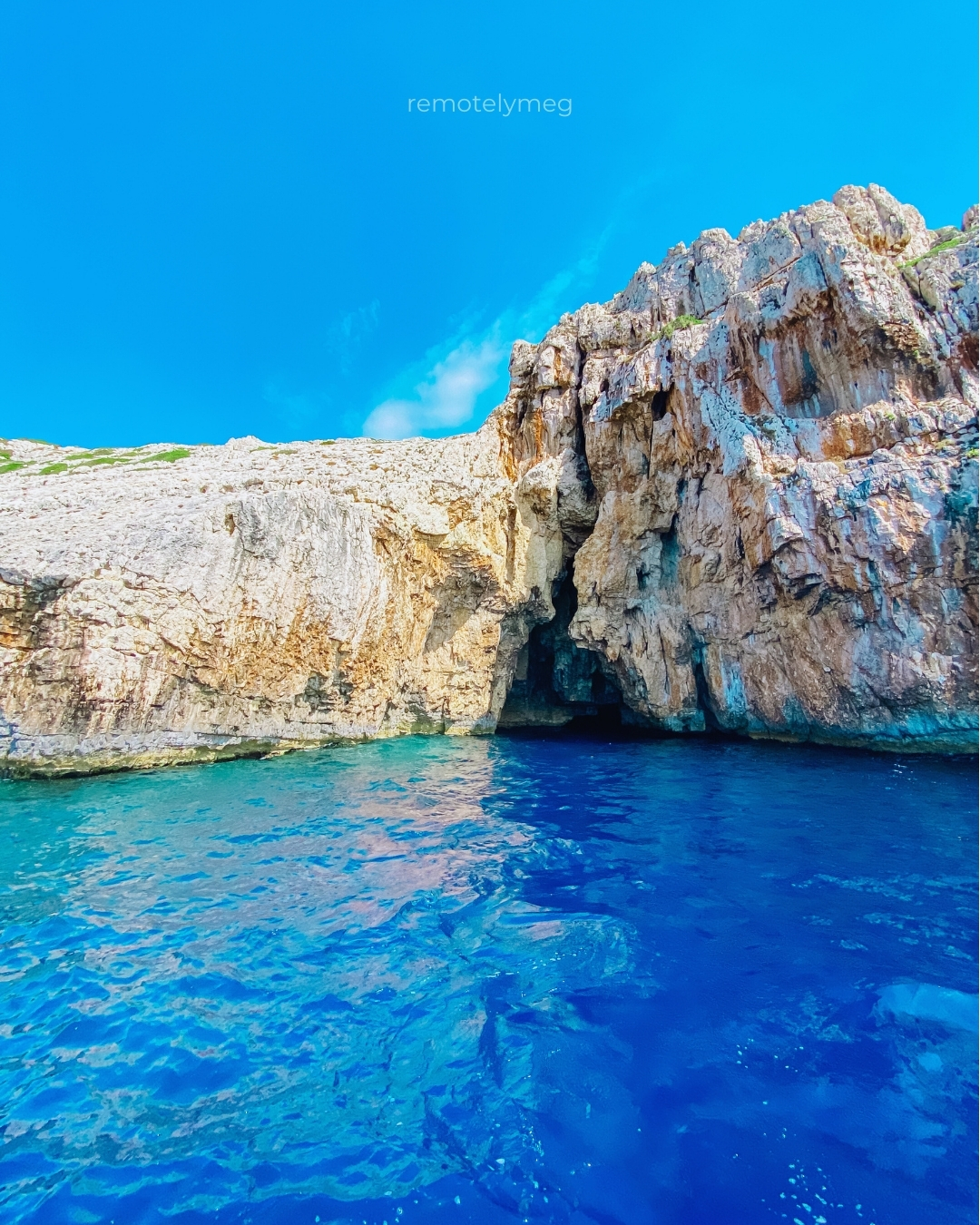
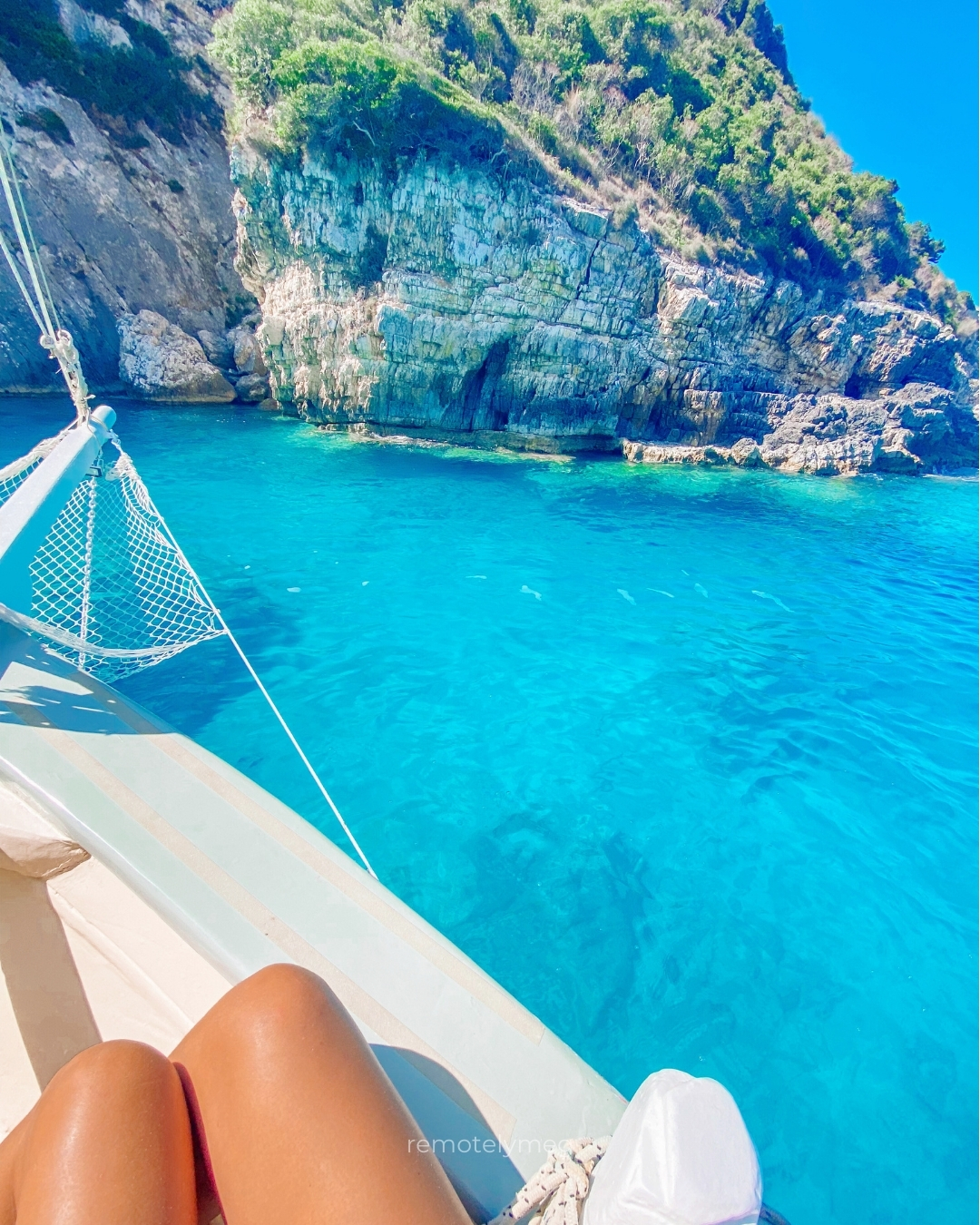
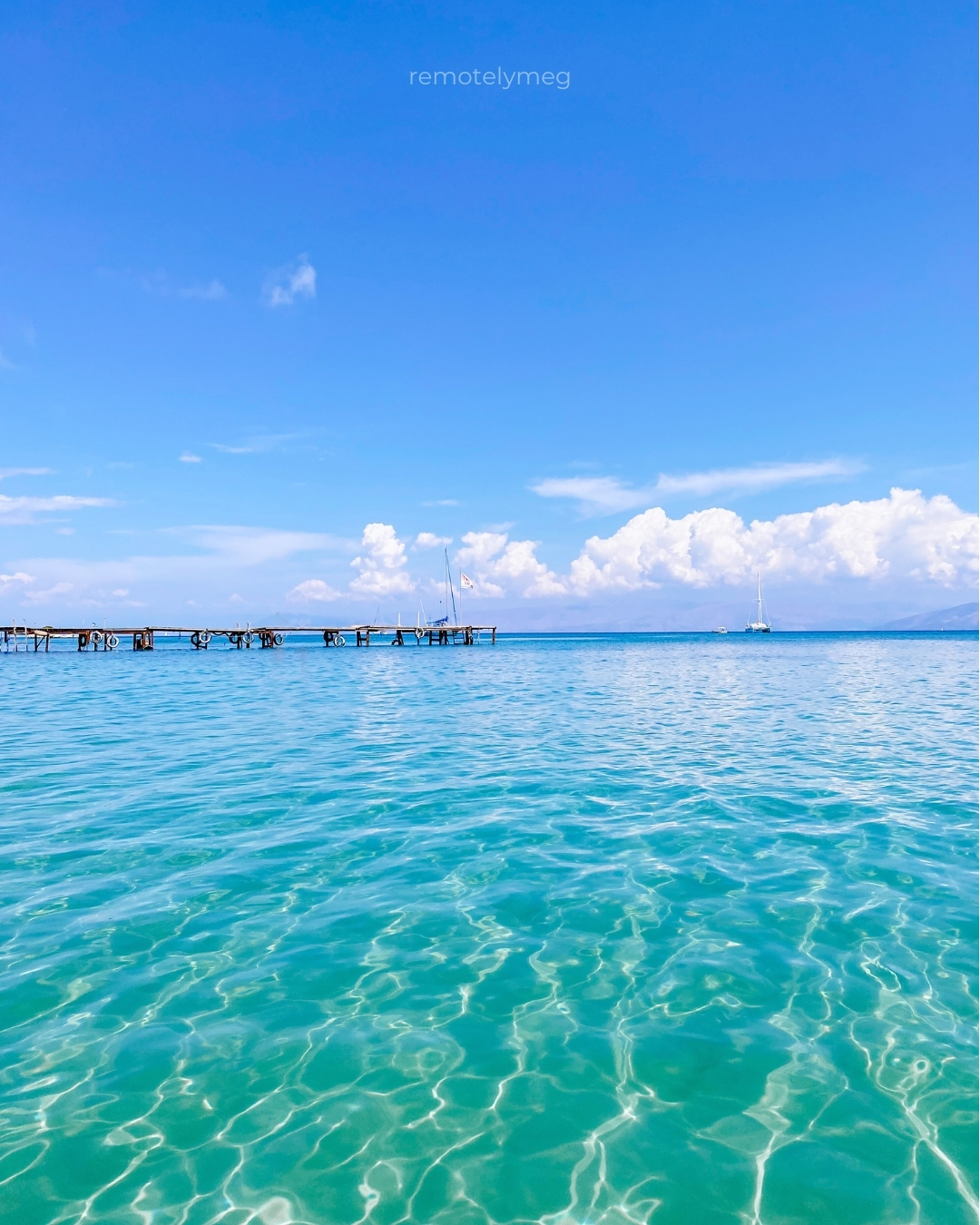
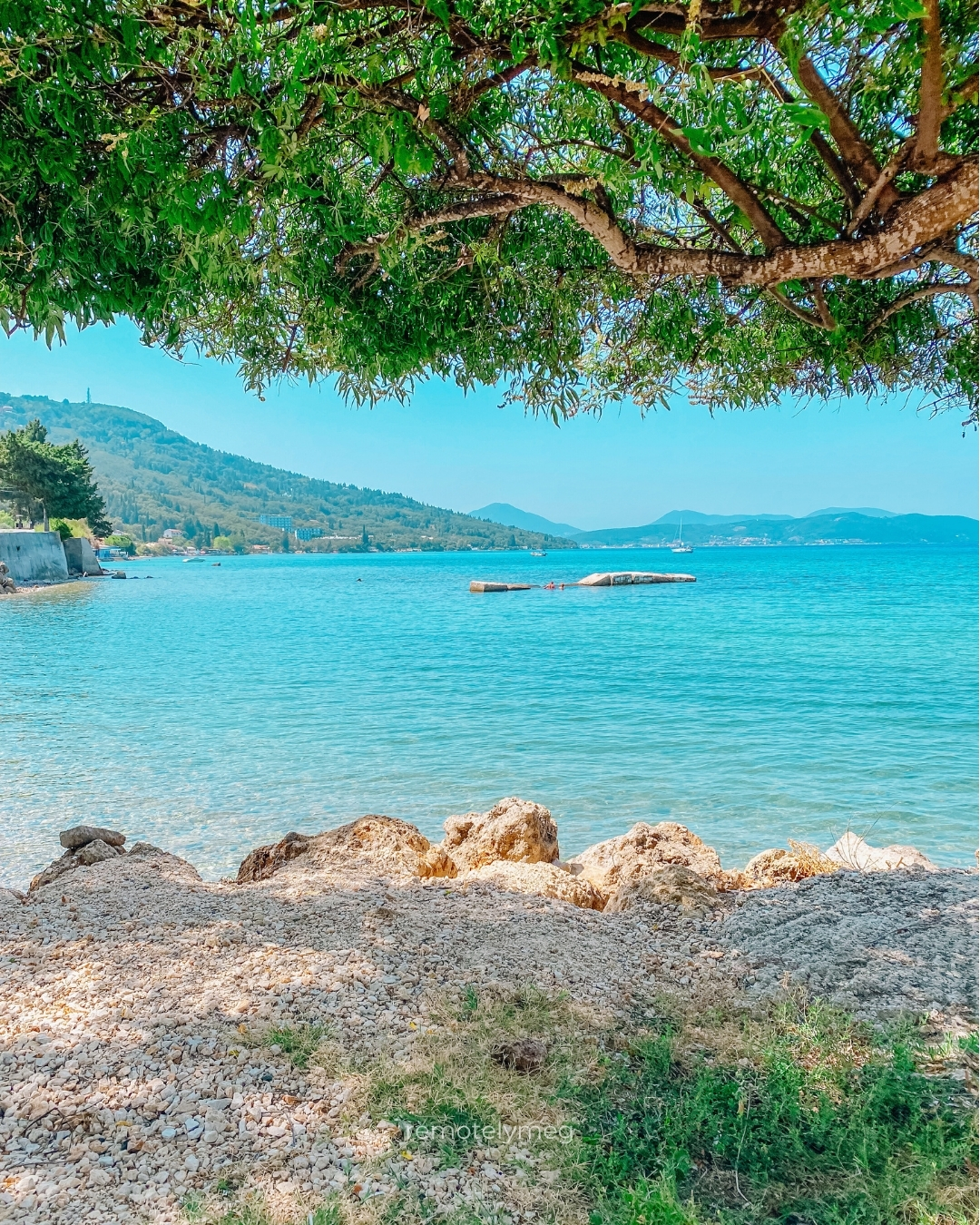
The bright turquoise waters that surround the island added to the colourful charm, and we spent many summer days and evenings enjoying delightful swims around the island.
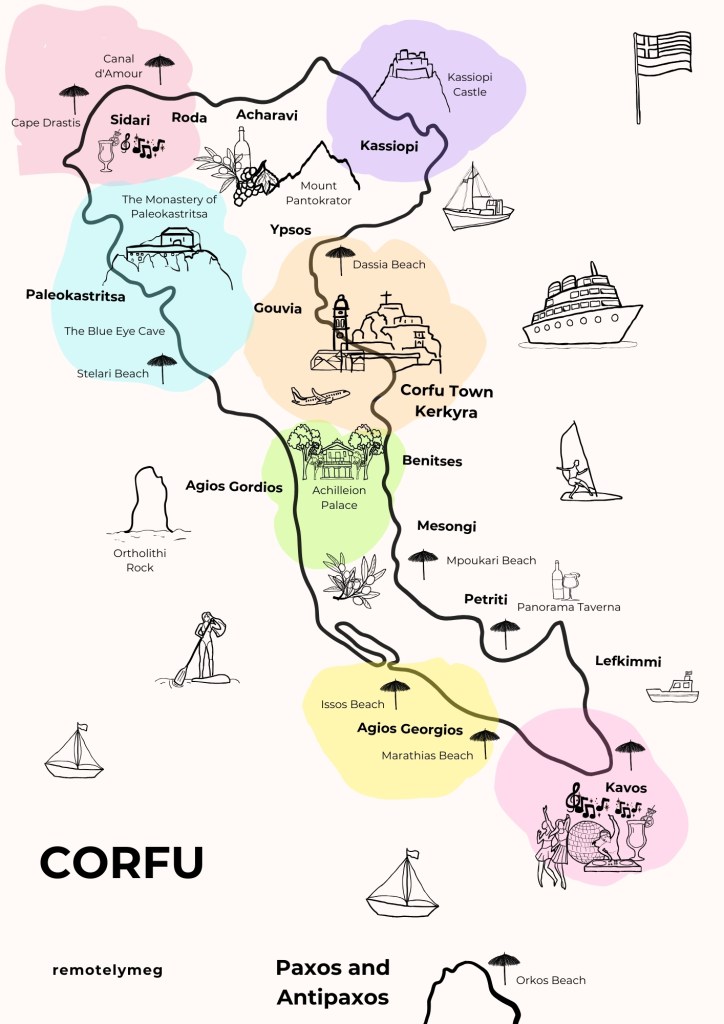
Corfu, also known as Kerkyra, is situated in the Ionian Sea and is the northernmost of the Ionian Islands (unlike Mykonos and other Cycladic islands which are situated in the Aegean Sea). It is one of the larger Greek islands and covers approximately 592 square kilometres, however it is easily explorable by car or scooter, and visitors can enjoy its beaches, historic sites, and natural beauty within a relatively short distance.
Apart from its diverse natural beauty, including coastal areas, mountainous terrain, and fertile valleys, Corfu has been influenced by various cultures throughout history, including Greek, Roman, Byzantine, Venetian, French, and British, and this diverse heritage is reflected in the island’s architecture, cuisine, and traditions, making it a fascinating destination for history and culture.
Today, Corfu is a popular destination known for its beautiful beaches, lush landscapes, and vibrant cultural atmosphere.
A Brief History of Corfu
Shaped by its strategic location in the Ionian Sea, the history of Corfu is rich, with interactions from various civilisations throughout the centuries.
In ancient times, Corfu was known as Corcyra, and ancient Greeks settled in the 8th century BCE. Corcyra became an important maritime power due to its strategic location in the Ionian Sea.
Corcyra was involved in various conflicts during the Classical period, including the Peloponnesian War between Athens and Sparta. Initially the island allied with Athens, however, switched sides to support Sparta later on, which led to their decline in power.
Corfu came under Roman control in the 2nd century BCE and later became part of the Byzantine Empire. During this time, Christianity spread throughout the island, and it became an important ecclesiastical centre.
In the 13th century, Corfu came under the rule of the Venetian Republic. This lasted for several centuries and the Venetians fortified the island extensively. Their influence can still be seen in the architecture of Corfu Town (Kerkyra) today, which is characterised by its Venetian-style buildings and narrow streets.
In the early 19th century, Corfu briefly came under French control under Napoleon Bonaparte before being ceded to the British Empire as part of the Treaty of Paris in 1815.
However, in 1864, the majority of the population expressed a desire to join Greece, and so, Corfu, and the other Ionian Islands, were united with Greece and have been an integral part of modern Greece since then.


Areas of Corfu
While travelling through Corfu I found it best to split the island into North and South from Corfu Town, to better understand it.
Corfu Town (Kerkyra) – Corfu Town is a UNESCO World Heritage Site due to its exceptional architecture and historical significance. With its significant Venetian architecture and historic landmarks such as the Old Fortress, New Fortress, Liston Promenade, and the Spianada Square, it is a must-see to everyone visiting the island.
This is probably where you will arrive, either by plane or ferry, and where you can take advantage of the island’s great bus system heading North or South. But make sure to stay a day or two and explore the town itself.
North of the island you’ll find these areas, each their own little charming towns.
Gouvia – a coastal village known for its marina and waterfront promenade. It’s a hub for sailing and yachting activities, with numerous shops, restaurants, and bars catering to visitors enjoying the waterfront activities and scenery.
Kassiopi – built around a charming harbour, this picturesque village is lined with fishing boats, yachts, tavernas, cafés, and shops, creating a vibrant atmosphere. However this village also has historical significance, such as Kassiopi Castle, a Byzantine-era fortress dating back to the 13th century, and several archaeological sites, including the ruins of ancient Kassiopi, which date back to the 4th century BCE. These ruins include remnants of a temple, a theatre, and fortifications, offering insights into the island’s ancient history.
Acharavi – one of the larger villages of Corfu, Acharavi offers a relaxed and family-friendly environment, with a long sandy beach with many watersport activities, scenic hikes through olive groves, vineyards, and lush countryside, a lively village centre including tavernas, cafés, bars and shops, and a Folklore Museum which exhibits artefacts, costumes, and household items that depict the island’s heritage.
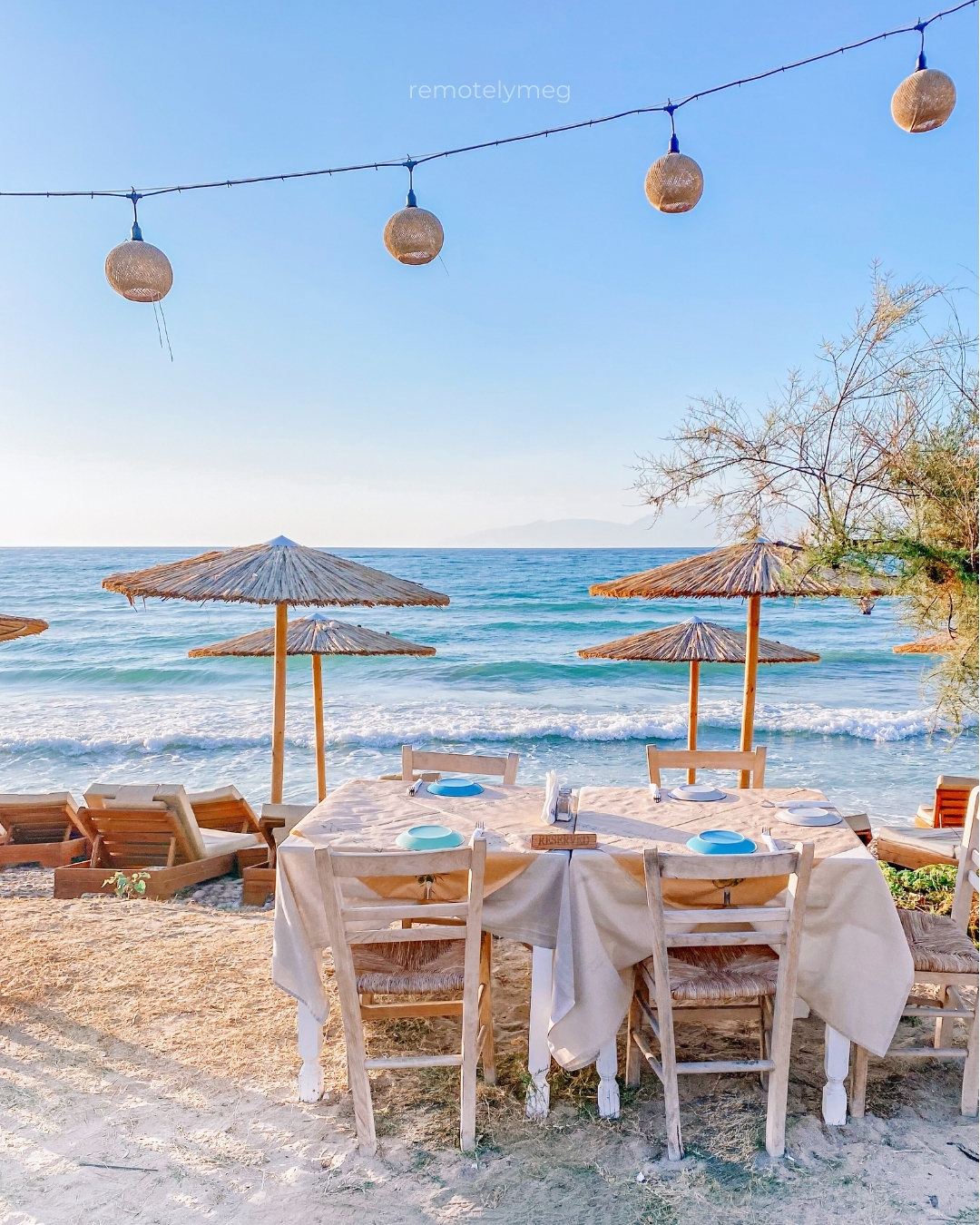
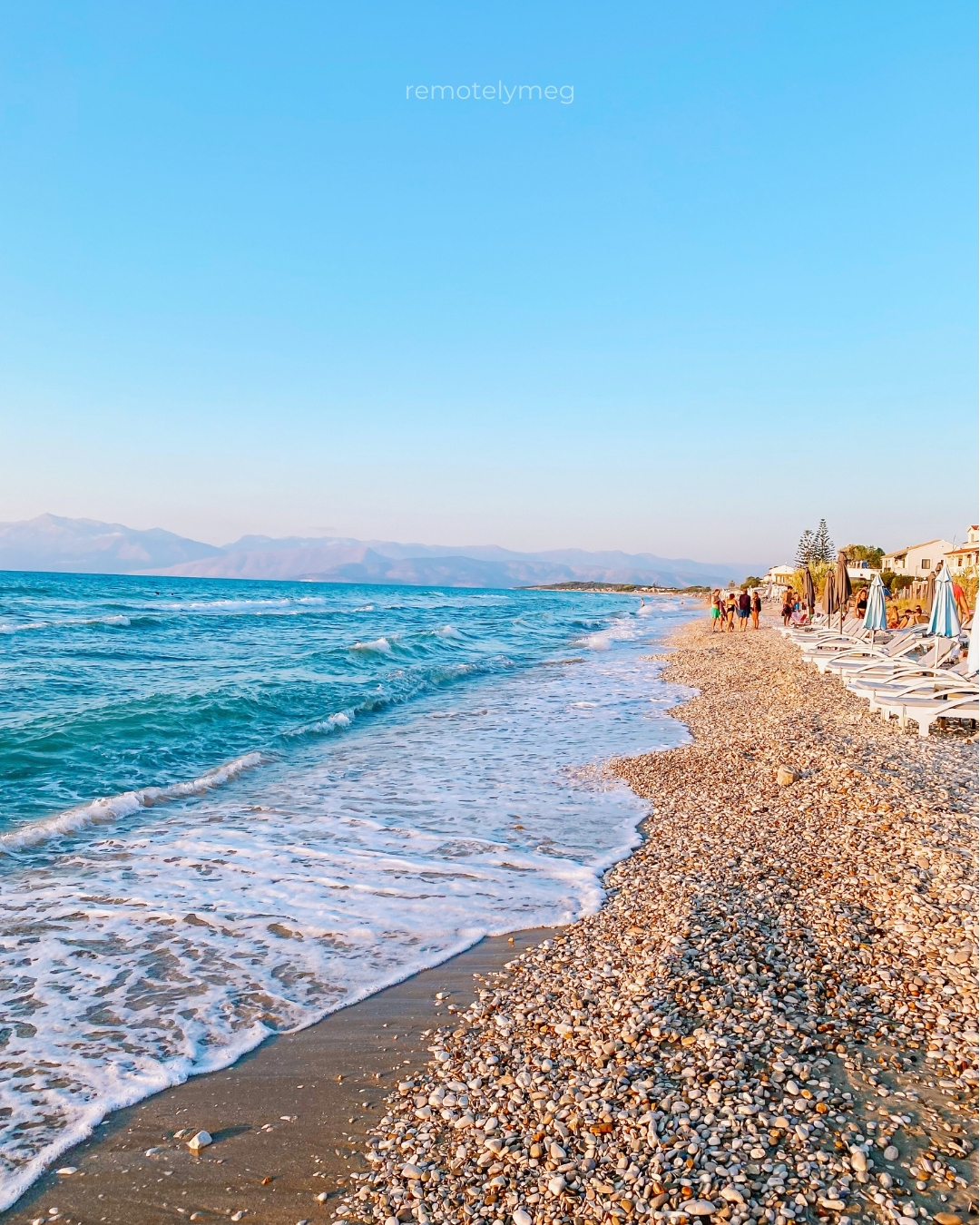
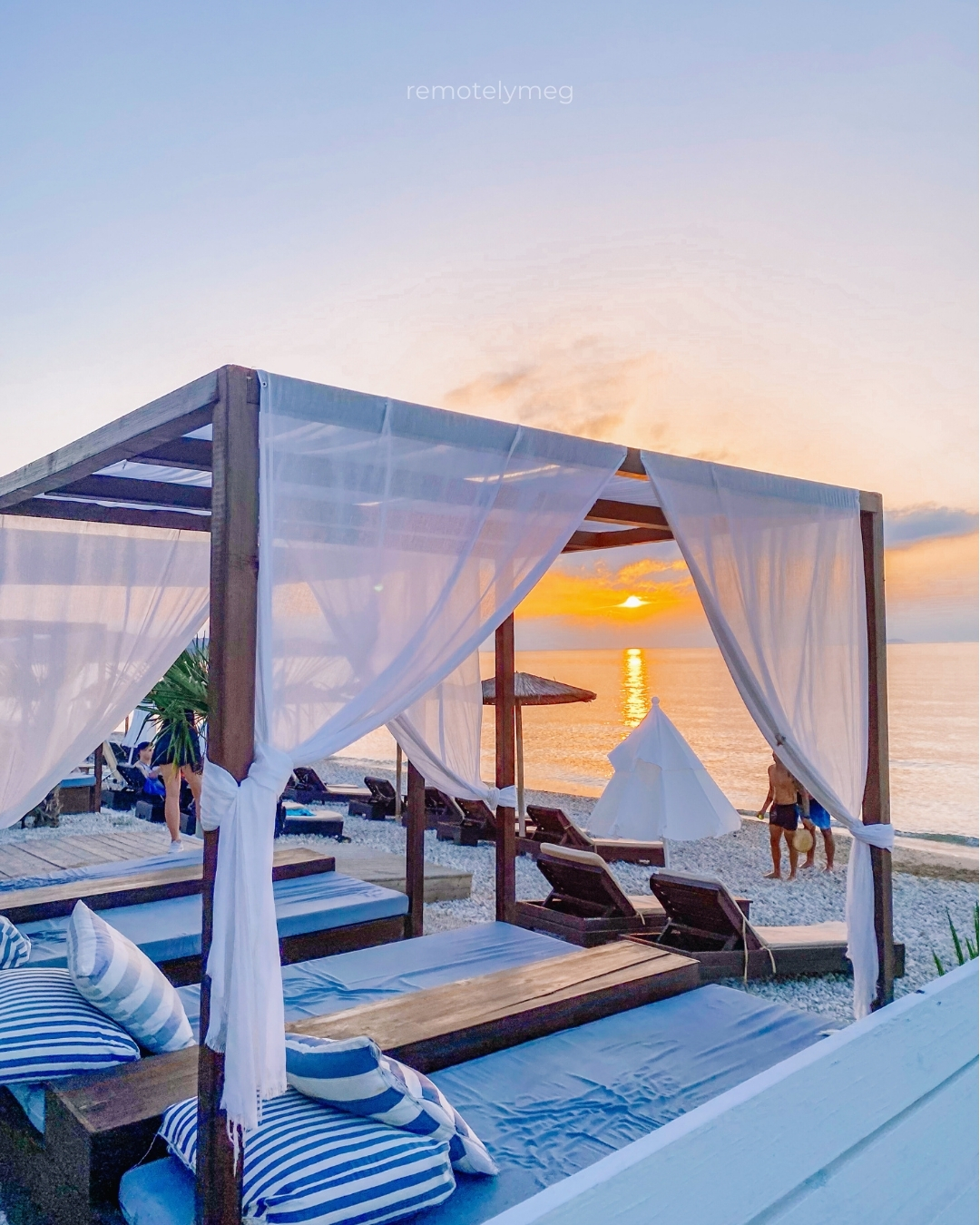
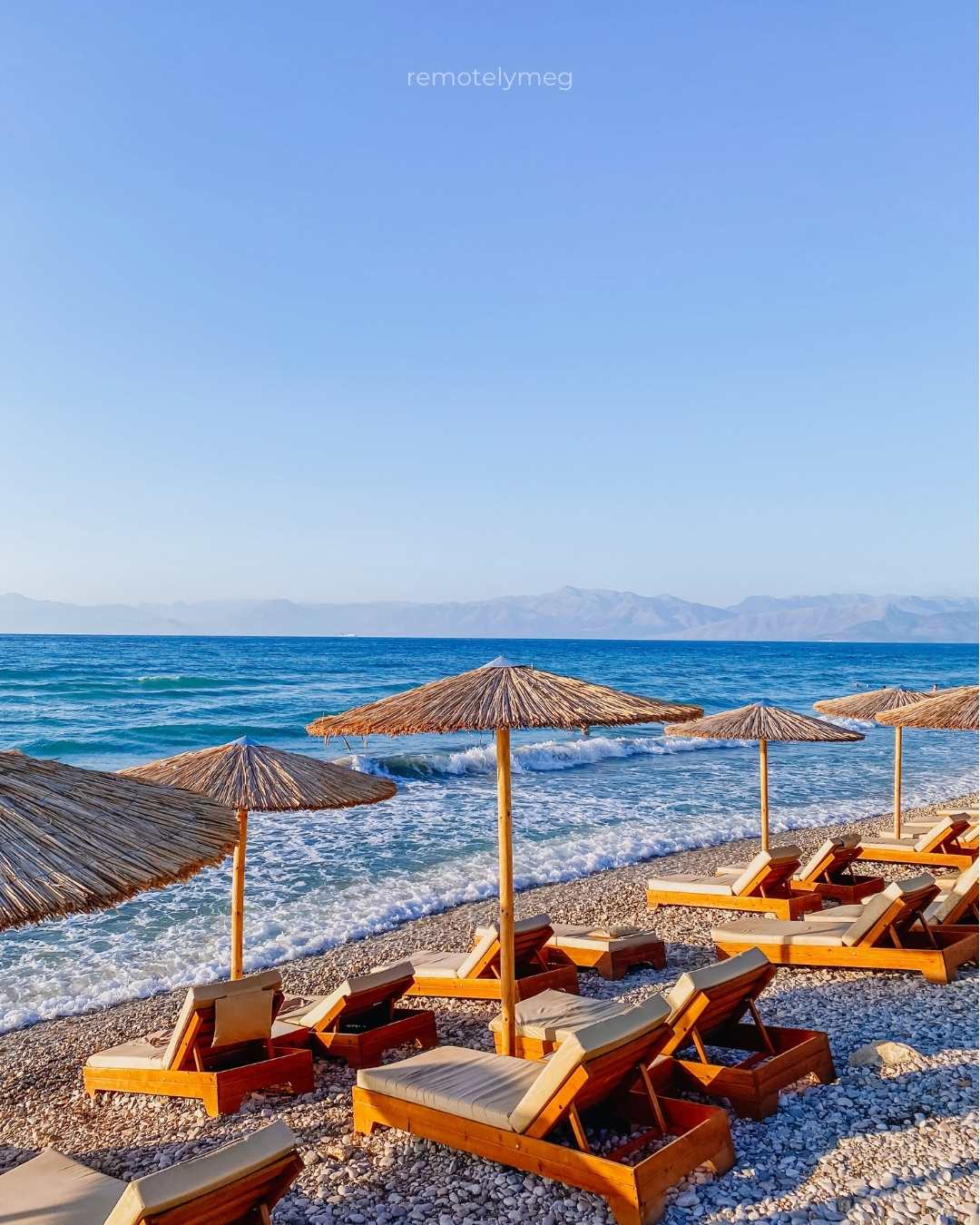
Sidari – Sidari is probably Corfu’s most popular beach town, famous for its unique rock formations known as the “Canal d’Amour” (Channel of Love). It also features crystal-clear waters and a plethora of awe-inspiring narrow caverns and water caves. It’s also popular for its sandy beaches, seaside tavernas, and vibrant nightlife.
Paleokastritsa – home to one of the most iconic landmarks in Corfu, The Monastery of Paleokastritsa lies perched on a hill overlooking the village and sea. Founded in the 13th century, the monastery complex includes a church, museum, and courtyard, and visitors can explore and admire its Byzantine architecture and religious artefacts.
Paleokastritsa also offers beautiful beaches, secluded coves, watersports and hikes through the surrounding lush green hills and olive groves of the town. The village’s harbour also offers boat excursions to explore the surrounding coastline and nearby caves such as Blue Eye Cave and the Cave of Saint Spyridon.
You’ll find a variety of seaside cafés and tavernas that offer alfresco dining with breathtaking views of the sea while enjoying traditional Greek cuisine, fresh seafood, and local specialties. Paleokastritsa is also famous for its spectacular vibrant sunsets, which can be viewed from the beaches and surrounding cliffs.
Agios Gordios – This town boasts a stunning sandy beach that stretches for about 1.5 kilometres along the coast, and is surrounded by dramatic cliffs and lush green hillsides, creating a picturesque backdrop. The clear waters are ideal for snorkelling and water sports activities, and for nature enthusiasts, there is a hiking trail from Agios Gordios to the nearby Ortholithi rock formation, offering impressive views of the coastline and countryside along the way. At the top of Ortholithi, you can enjoy panoramic views of the Ionian Sea and the surrounding landscapes.
South of the island is just as magical as the North, so make sure you visit both during your stay, even if it’s just day visits to these scenic areas:
Benitses – The harbour of Benitses is a focal point of the village, with fishing boats, yachts, and excursion boats moored along the waterfront. There are several beaches with crystal-clear waters ideal for swimming and snorkelling, and smaller beaches and coves nearby, offering more secluded spots for sunbathing and relaxing. Traditional tavernas, bars and cafes are situated along the promenade, and come alive at night with live music, entertainment, and traditional Greek dancing.
Petriti – A small fishing village on the southeastern coast that stole my heart. Petriti offers a peaceful retreat away from the crowds, where you can relax, unwind, and experience the authentic charm of a traditional Corfiot fishing village. Popular nearby beaches include Notos Beach (Panorama Taverna), Boukari Beach, Marathias Beach and Gardenos Beach. Whether you’re a seafood lover, nature enthusiast, or simply seeking tranquility, Petriti has something to offer for everyone.
If you stay in Petriti, be sure to stay with Kostas, he is undoubtedly the best Greek host I could have ever asked for (in fact I stayed an extra 2 weeks because of his kindness and hospitality). His airbnb link here.
Agios Georgios – With a soft, golden beach that stretches for about 2 kilometres along the coast, and shallow turquoise waters, this peaceful bay is ideal for swimming, sunbathing, and water activities. Surrounding Agios Georgios are several scenic walking and cycling trails that wind through olive groves, vineyards, and picturesque Corfu countryside.
Inside the village of Agios Georgios there’s a selection of tavernas, cafés, and beach bars to indulge in traditional Greek cuisine, fresh seafood, and refreshing drinks, with spectacular views of the sea and sunset. This traditional Greek village has a laid-back atmosphere and friendly locals, which allows visitors to immerse themselves in the local culture through attending festivals, exploring historic churches, and interacting with residents.
Kavos – Situated on the southern tip of Corfu, Kavos is a lively resort town known for its party atmosphere and vibrant nightlife. It attracts a younger crowd with its many bars, clubs, and beach parties. Just like with the rest of Corfu, the waters are crystal clear and great for water activities. You can also take boat excursions from Kavos to the surrounding islands of Paxos and Antipaxos, which I would recommend.
Surrounding Islands:
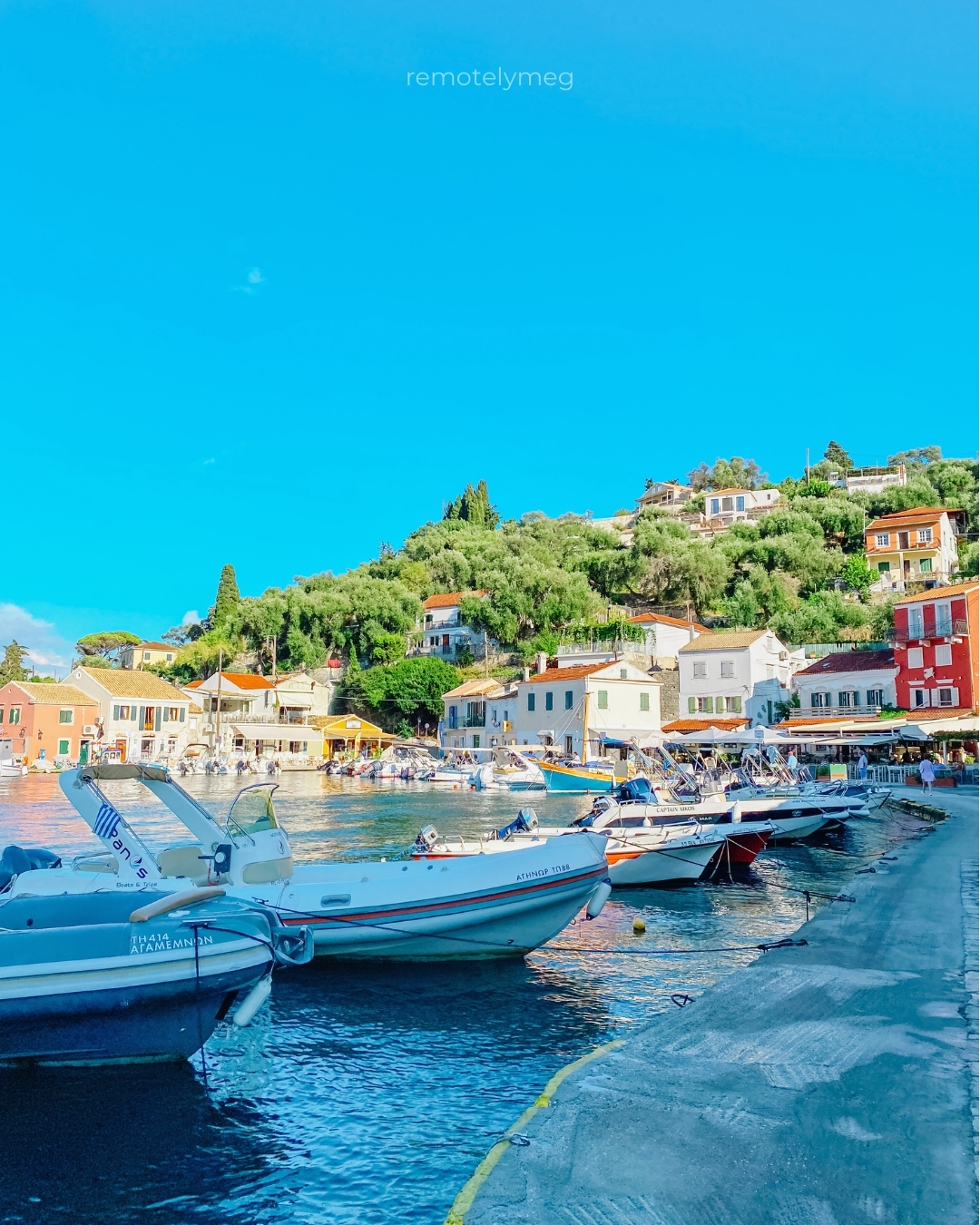
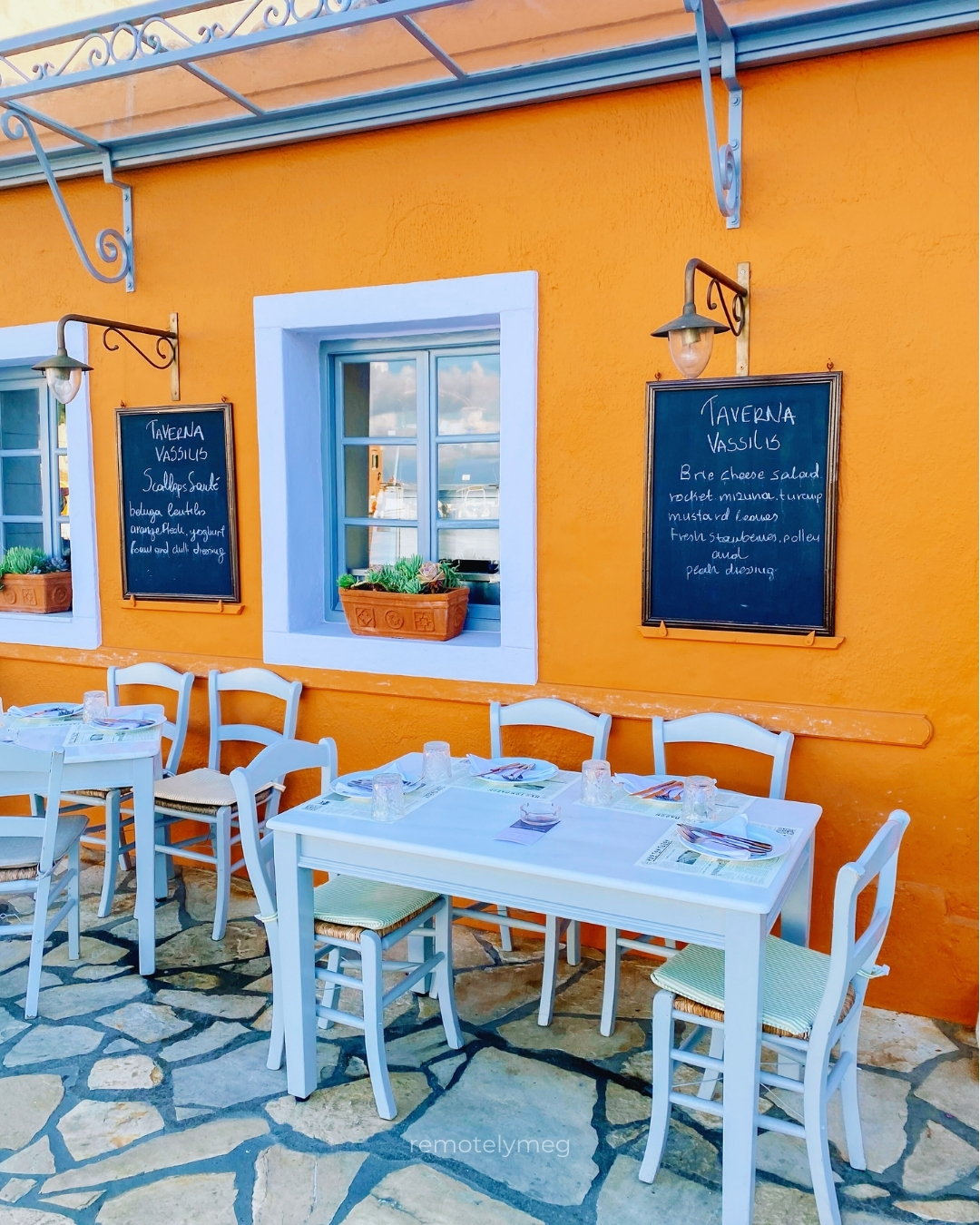
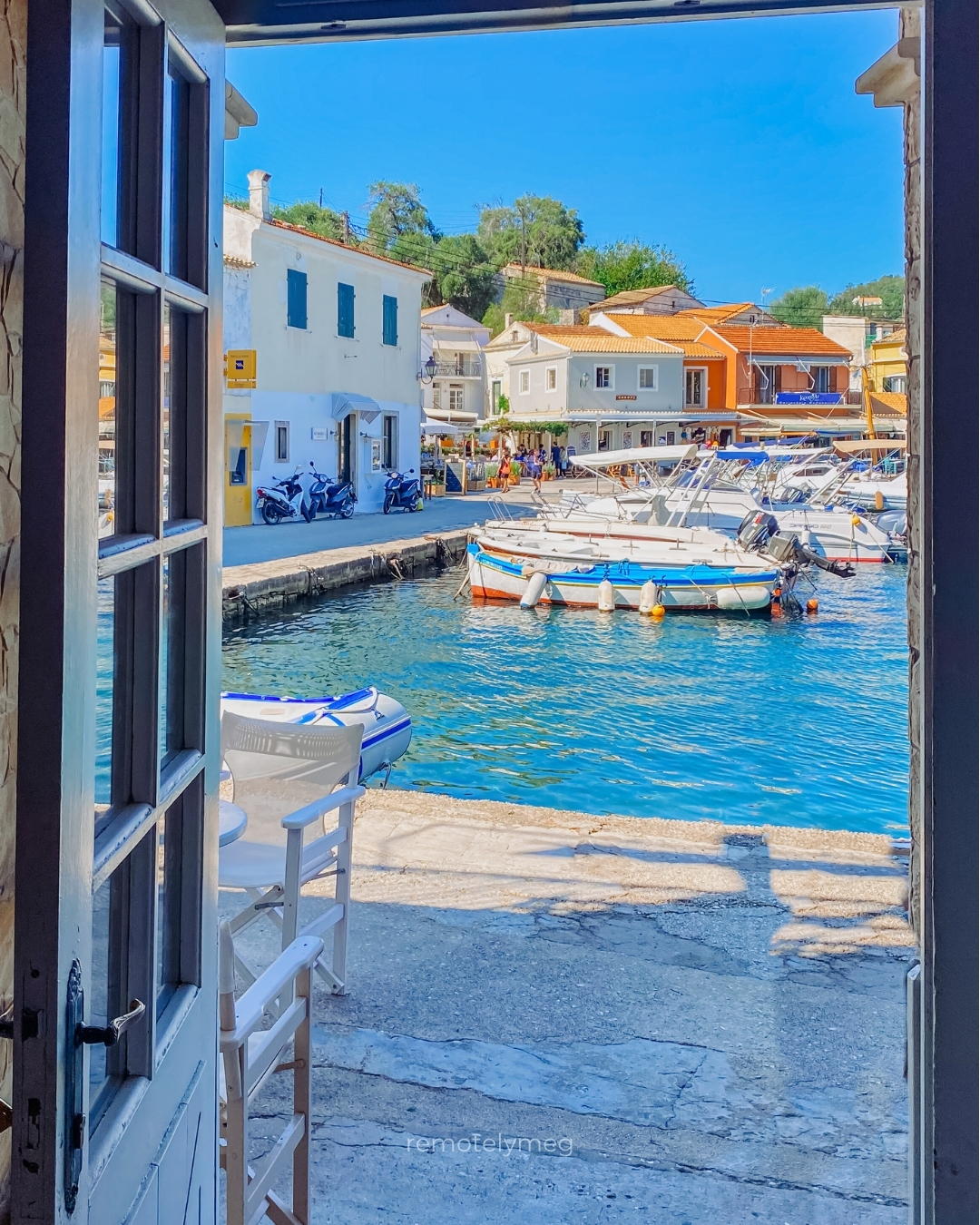
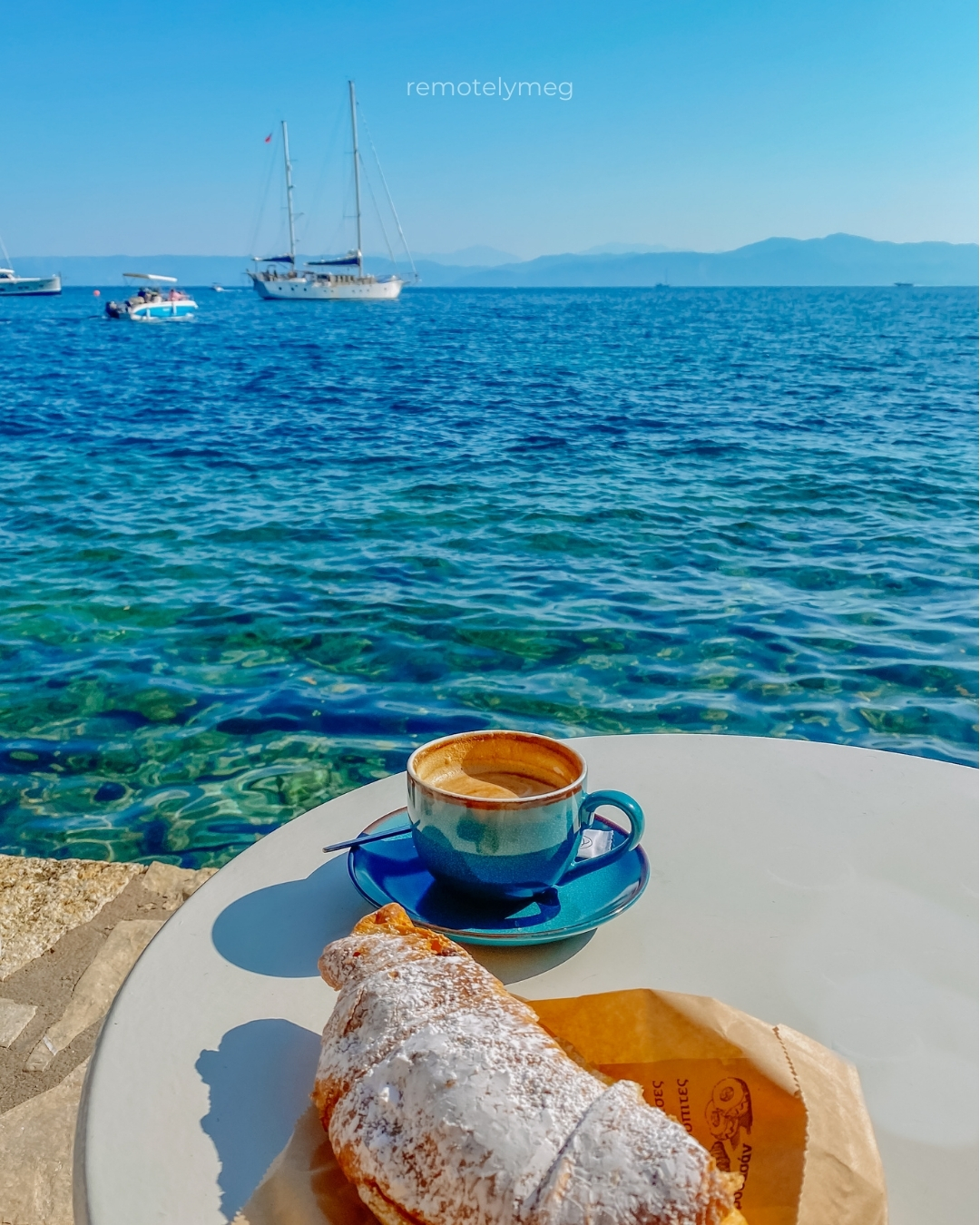
Paxos and Antipaxos – Paxos and Antipaxos are small islands located just off the coast of Corfu. Known for their natural beauty, turquoise waters, and peaceful atmosphere, they are popular destinations for visitors seeking tranquility and relaxation. With their serene atmosphere and breathtaking scenery, Paxos and Antipaxos are the perfect places to relax and unwind. Spend your days lounging on their beaches, enjoying leisurely meals overlooking the sea, and soaking up their natural beauty.
Highlights of Corfu
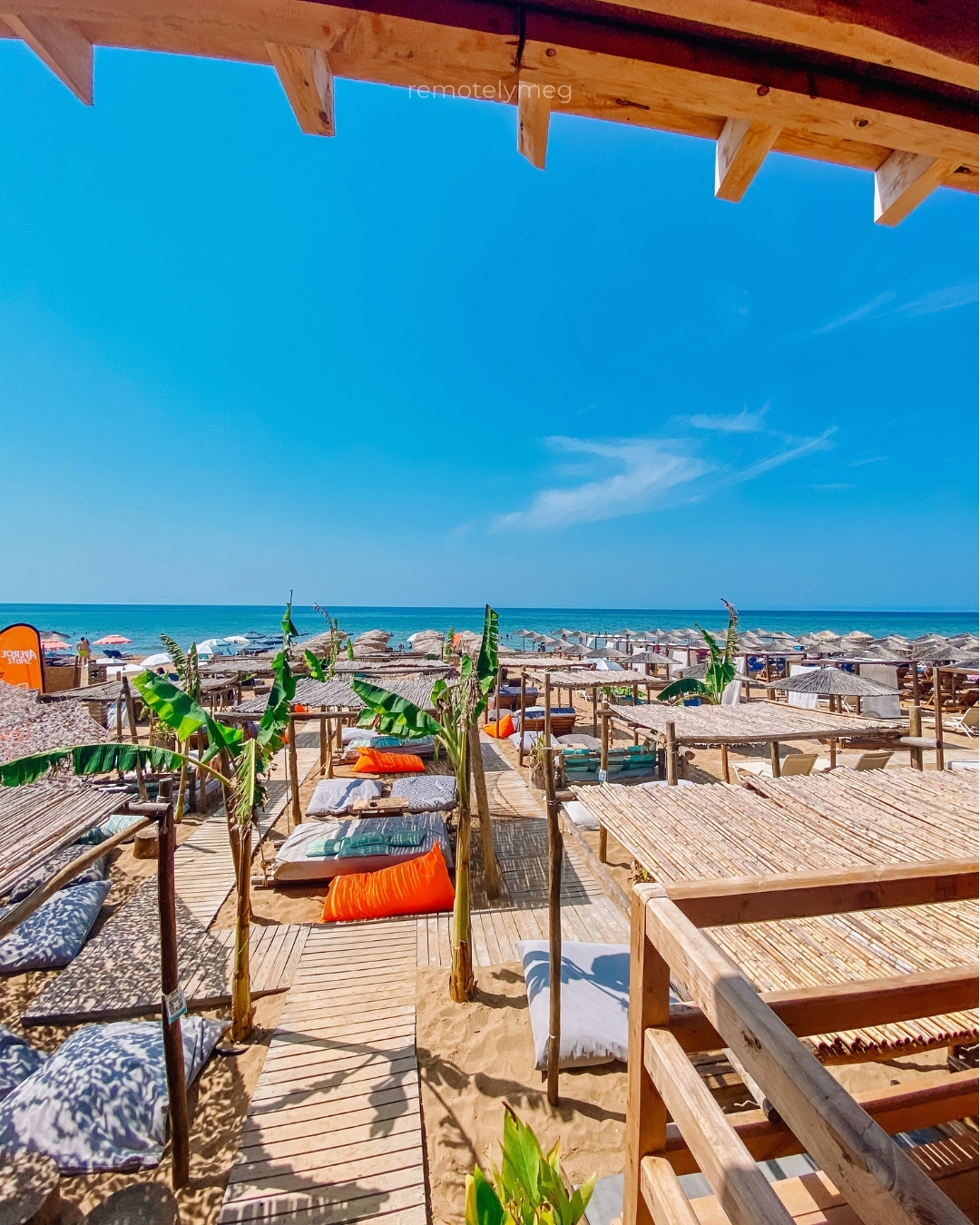
Visit some of the many beautiful beaches – There are so many incredible beaches in Corfu to choose from, but I don’t think you can go wrong with any beach. The warm crystal-clear waters and gold sandy beaches around the island will not disappoint. My favourite beaches were: Dassia Beach, Cape Drastis, Stelari Beach, Issos Beach, Mpoukari Beach, Notos beach (spend the day at Panorama Taverna), and Marathias Beach.
Achilleion Palace – a must-visit attraction when visiting Corfu. The palace was built by Empress Elisabeth of Austria (Sisi) in the late 19th century, and features stunning neoclassical architecture, breathtaking gardens, and panoramic views of the Ionian sea and surrounding landscapes. It’s located just a short distance from Benitses, so be sure to stop in to Benitses or further along down the coastline for some beach time and traditional seaside tavernas experience.
Mount Pantokrator – The highest mountain on Corfu (approximately 2,972 feet above sea level), located in the northeastern region near the villages of Spartilas and Strinilas, Mount Pantokrator offers breathtaking views of the island and the surrounding Ionian sea. Visitors can drive or hike to the summit, where there is a monastery and café.
The Monastery of Paleokastritsa – one of the most iconic landmarks on the island, this historic monastery is located on a hill near the village of Paleokastritsa on the northwest coast of Corfu. It is dedicated to the Virgin Mary and is also known as the Monastery of the Virgin Mary of Paleokastritsa. It is not only a religious site but also a cultural and historical treasure that attracts visitors from all over because of its architecture, artefacts, and magnificent views.
Get lost in the towns and villages – Each village and town mentioned above has its own unique charm and appeal, whether it be harbours filled with traditional fishing boats, golden beaches with cliffs and caves to explore, hiking trails with panoramic views or vibrant local tavernas to enjoy traditional cuisines and experience local culture. I encourage you to wander through and get lost in as many little villages as possible during your time in Corfu.
Explore Corfu Town (Kekyra) – Explore Old Town, which is a UNESCO World Heritage Site. Wander through the narrow cobblestone streets, and discover it’s charming squares, historic buildings, and architectural landmarks. Some highlights of Old Town that shouldn’t be missed include the Liston Promenade, Spianada Square, and the Old and New Fortresses.
Explore Corfu Town’s cultural heritage by visiting its museums and galleries, such as the Archaeological Museum of Corfu, and the Byzantine Museum of Antivouniotissa.
Browse the local markets and shops in Corfu Town for handmade crafts, souvenirs, and traditional products, or visit the Corfu Town Market (Agora) to sample traditional local delicacies, fresh fruits and vegetables, spices, olive oil, and local wines.
Day boat excursions – From most places in Corfu you can enjoy day excursions from a boat that take you snorkelling around the island, and to see caves and other beaches. This offers a unique perspective and experience of the crystal-clear waters of Corfu.
One day trip I would recommend is the day trip to Paxos and Antipaxos. It is offered from almost all ports around Corfu. However, if you can, I would recommend spending a few days on Paxos Island – it really is not something you should skip and is my favourite Greek Island so far. Read my Honest Review of Paxos here to hopefully change your mind.

Important things to note about Corfu
It is a known fact for almost all the Greek islands you visit that you should not drink the tap water as the island’s water recycle system is not great, especially in the pumping tourist season. It really hurt me to have to buy constant plastic water bottles, so I tried my best to boil water and then cool it in the fridge before decanting it into my reusable bottle, however, I know that is not always the easiest option. Be conscious of the unnecessary plastic you use on holiday – carry a reusable bag for when you go to the shops, opt out of the straws in your cocktails if you can or carry a reusable straw in your bag. Little things like this can go a long way.
Getting around Corfu
Here are some options for getting around Corfu:
- Rent a car (safest option, most expensive)
- Rent a scooter (least safe option, be careful)
- Rent an ATV (safer than a scooter, more affordable than a car)
- Taxi (super expensive depending on the trip and time)
- Local bus (most affordable, Corfu has a great bus system, but make sure you plan the bus times properly)
Out of all these options we opted to stick to the local buses to get around, and our airbnb host had bicycles for us to borrow. The city bus in and around Corfu Town is called KTEL, and the buses that take you further out to the rest of the island are called Green Buses.
My Honest Review
I just couldn’t get enough of the vibrant colours and lush landscapes that Corfu had to offer.
The Ionian Sea and climate is also much calmer than what I experienced on the windy Aegean side, so they offer two different holiday experiences. Personally I enjoyed the climate on the Ionian side better as there was much less wind and a more ‘tropical’ feel being surrounded by lush greenery.
The locals on the island bragged about Corfu’s hospitality and I laughed until I experienced just how above and beyond locals will go for their guests on the island.
Being the backpackers we are, we decided to travel to Corfu at the last minute and arrived late into the summer season without one booking. We had hotel owners calling each other across the island to see if anywhere had space for us. Luckily we found space in 3 incredible little towns that each provided us with a memorable time on Corfu – which is why I will say – no matter where you end up on Corfu, I am sure you will have a magical time.
One village close to my heart is the little fishing village of Petriti. I ended up staying 3 weeks in this little village, cycling the coastline every day and exploring the little beaches and coves in the lush tropical terrain. The main reason I stayed so long is because I met the most incredible host with a wonderful family, and I was quickly integrated into the traditional family dinners and celebrations. I just couldn’t leave. I cannot explain how this family made my entire Greek experience so incredibly special, and I will return every year to visit them. If you are looking to meet this incredible family – their airbnb link here.
I left Corfu for a few days to travel to the island of Paxos and Antipaxos, which is south of Corfu – and these islands white sandy beaches and crystal-clear turquoise waters absolutely blew me away! It was, in my opinion, the perfect Greek Island Postcard.
I caught a quick ferry to Paxos from Lefkimmi, close to where I was staying in Petriti, but you can also catch one from Corfu Town to Paxos. I absolutely loved Paxos and consider it my favourite island in terms of scenery, and I loved the fact that it was much smaller and therefore more secluded and tranquil. I wouldn’t visit Corfu without visiting these islands as they are so close and so worth it! Read my full review on Paxos and Antipaxos here.
Corfu, Paxos and Antipaxos were the perfect combination of a Greek Island summer holiday, and I’d go back to each island in a heartbeat. In my opinion, the Ionian Sea beats the Aegean Sea, as there is far less wind and the water is clearer. However, if you are expecting the traditional Greek whitewashed houses – this is not what you will find this side of Greece, as that is traditional to the Cycladic islands (Mykonos, Naxos, Santorini etc) in the Aegean Sea.
All in all, if you are looking for lush landscapes, crystal-clear turquoise waters, friendly locals, traditional Greek cuisines and culture, and an abundance of colours – I don’t think you can go wrong with Corfu, Paxos and Antipaxos.
Read My Honest Reviews of the other Greek Islands here.


 remotelymeg