My Honest Review
Areas of Naxos Highlights of Naxos Getting around Naxos My Honest Review
Beautiful, charming, tranquil Naxos.
This island was an absolute haven to visit after our 2 nights on Mykonos.
With so much of the island to see in such little time, we were constantly out exploring and taking in the diverse beauty that was on offer.
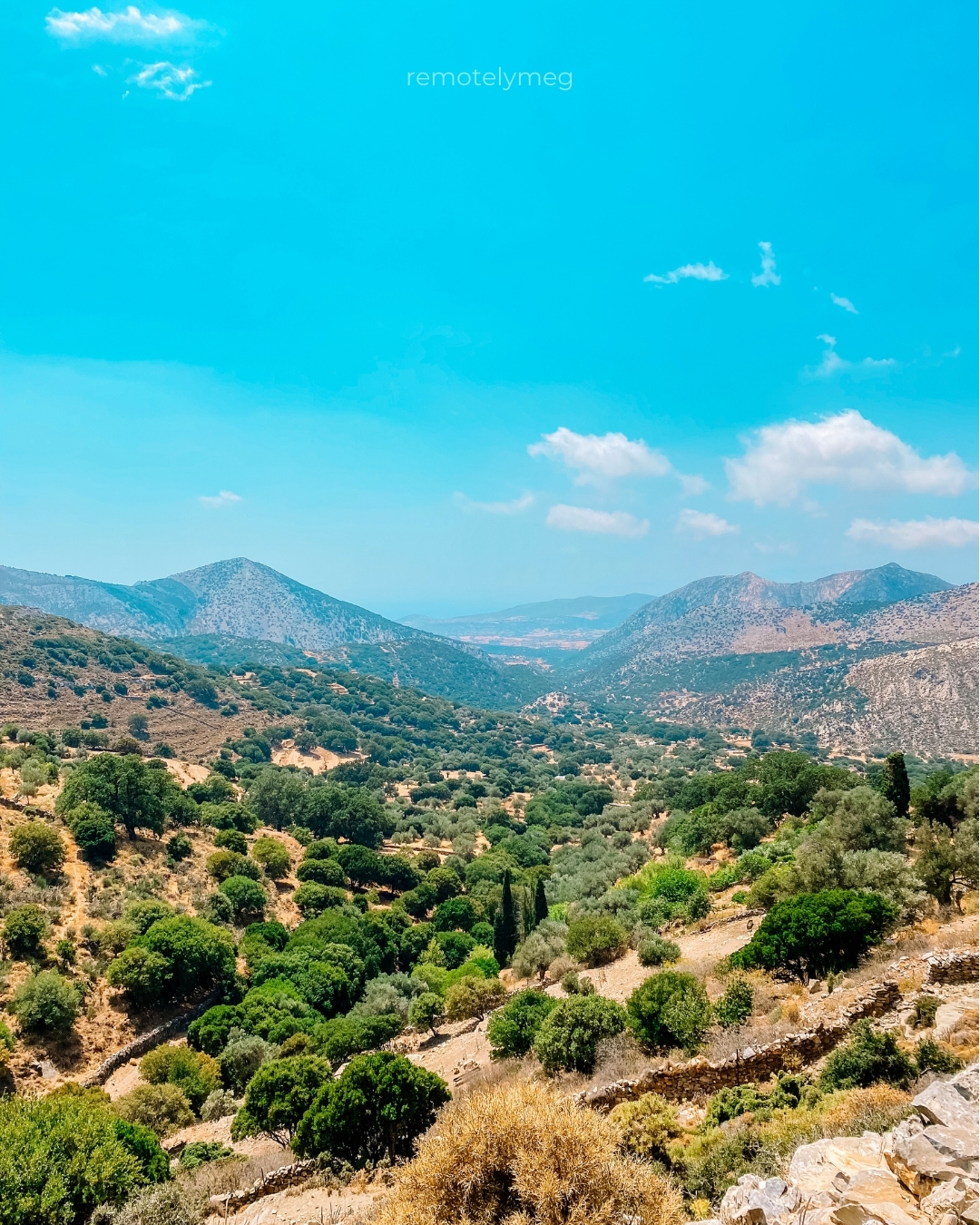
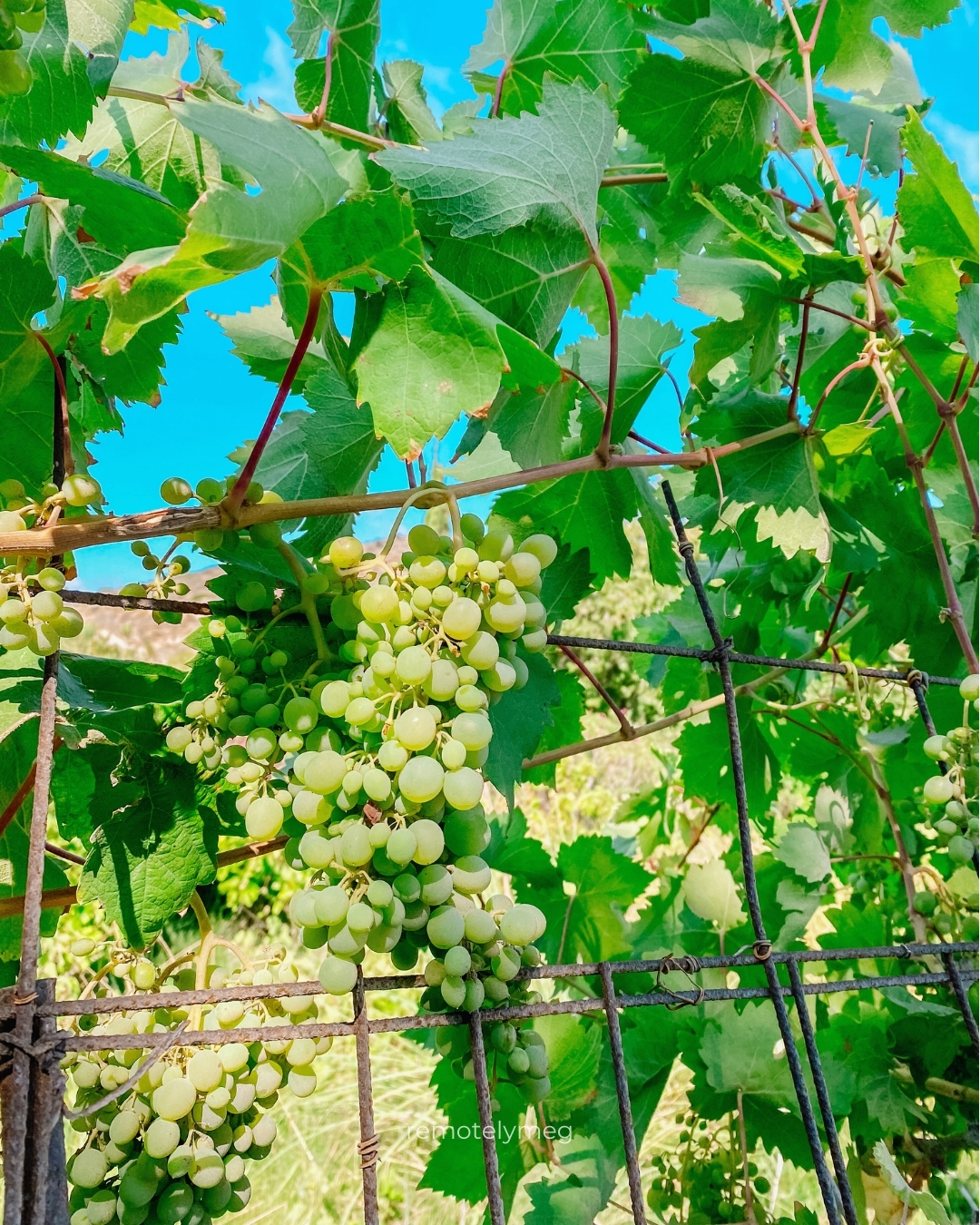
From vibrant blue coastlines to lush vineyards, olive farms, and marble mountains inland, this island always had something new and incredible sights.
I always think it’s important to know a little about the history of where I’m travelling to better understand and appreciate the area.
A little about Naxos
Naxos is the largest of the famous Cycladic group of islands located in the Aegean Sea, approximately 429 square kilometres. The name Cyclades is derived from the Greek word ‘kyklos’ meaning ‘circle’ – and these islands form a circle around the sacred island of Delos.
In ancient times Delos was considered a sacred island and the birthplace of the Greek gods Apollo and Artemis. The island was a major religious, cultural, and commercial centre and home to numerous temples, sanctuaries, and monuments. Because of its historical significance, Delos is now an uninhabited and protected UNESCO World Heritage site, recognised for its importance in archaeological history.
The other well-known Cycladic islands consist of Mykonos, Santorini, Paros, Ios, Milos, Tinos, Serifos, Sifnos, Kea and Antiparos.
Naxos’ fertile soil allowed for successful agricultural development, and it became known for its fine wine, olives, and marble.
The island’s location in the central Aegean made it an essential trade hub in the Cyclades – which has impacted its history throughout the centuries.



Brief History of Naxos
The history of Naxos is long and fascinating, but I’ll try and break it down briefly.
In Greek mythology, the island of Naxos was the home of the god Zeus, who was raised in a cave on Mount Zas, the highest peak in Naxos. Naxos also played a role in the legend of Theseus and the Minotaur, as Theseus, the hero of Athens, abandoned Ariadne, daughter of King Minos of Crete, on Naxos after slaying the Minotaur in the labyrinth.
Archaeological evidence suggests that Naxos was inhabited as early as the 4th millennium BCE. Naxos played a role in the Greco-Persian Wars during the 5th century BCE, and came under the influence of various Hellenistic kingdoms, including the Ptolemaic dynasty of Egypt.
During the Roman period, the island remained an essential hub and continued to prosper through agriculture and trade.
With the rise of Christianity, Naxos became part of the Byzantine Empire. Several churches and monasteries were built on the island during this time, some of which still stand today as historical landmarks.
In the 13th century, the island came under Venetian control, and in the 16th century, fell under the Ottoman Empire, where it experienced its economic decline, and its population decreased significantly.
In the early 19th century Naxos, like many other Greek islands, played a role in the Greek War of Independence and was united with Greece where it now forms part of modern Greece. Naxos experienced a revival in its cultural and economic significance and today, the island is a popular tourist destination known for its stunning beaches, beautiful landscapes, and historical sites.
Visitors can explore ancient ruins, traditional villages, and the natural beauty that has captivated travellers for centuries. The island’s rich history and mythology continue to be an essential aspect of its cultural identity.
Areas of Naxos
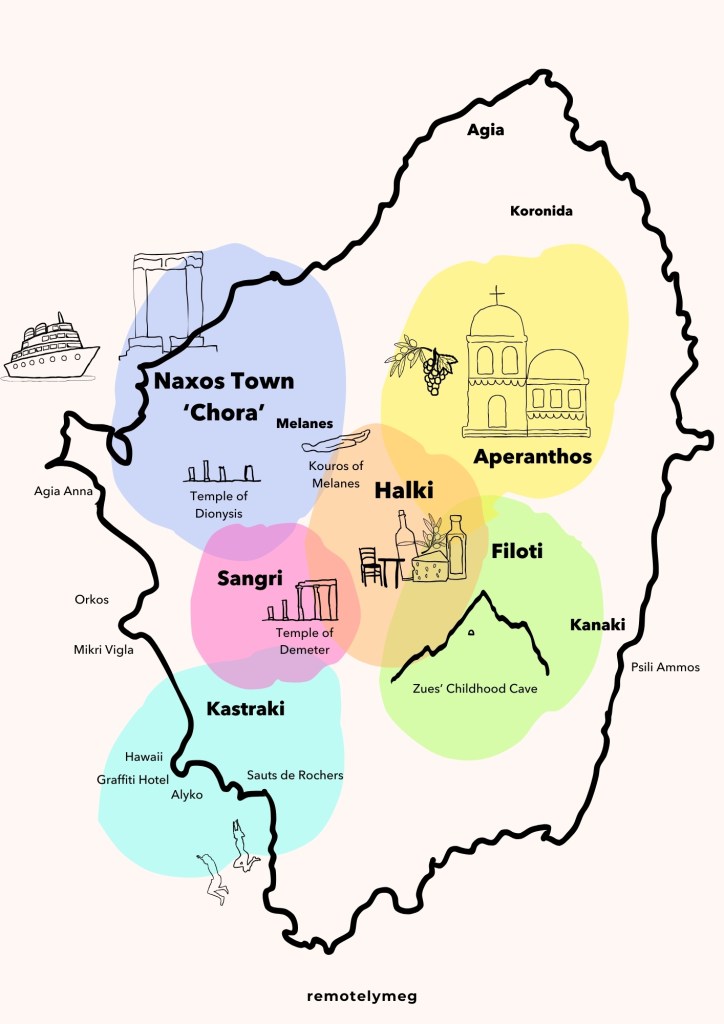
Naxos Town (Chora)
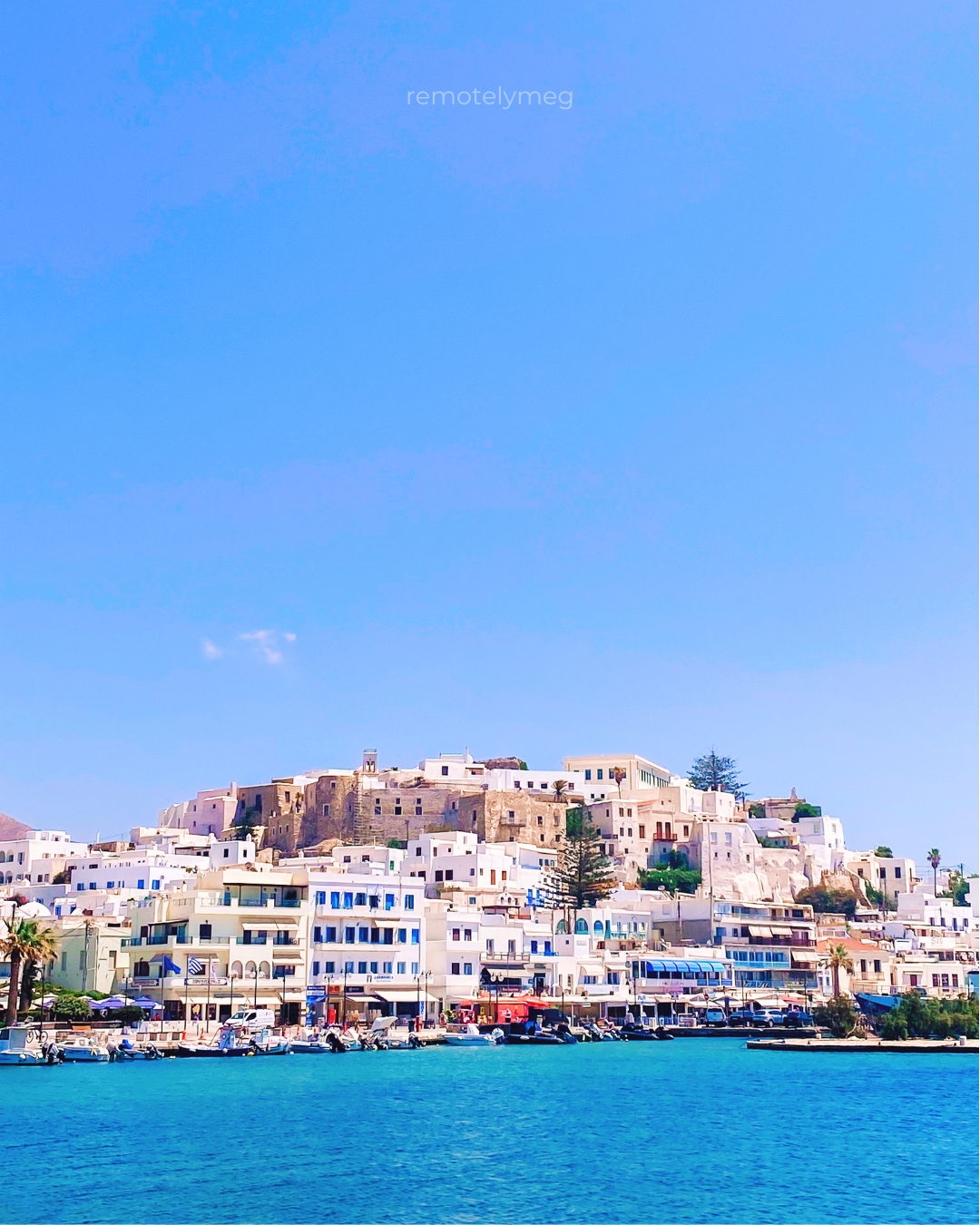
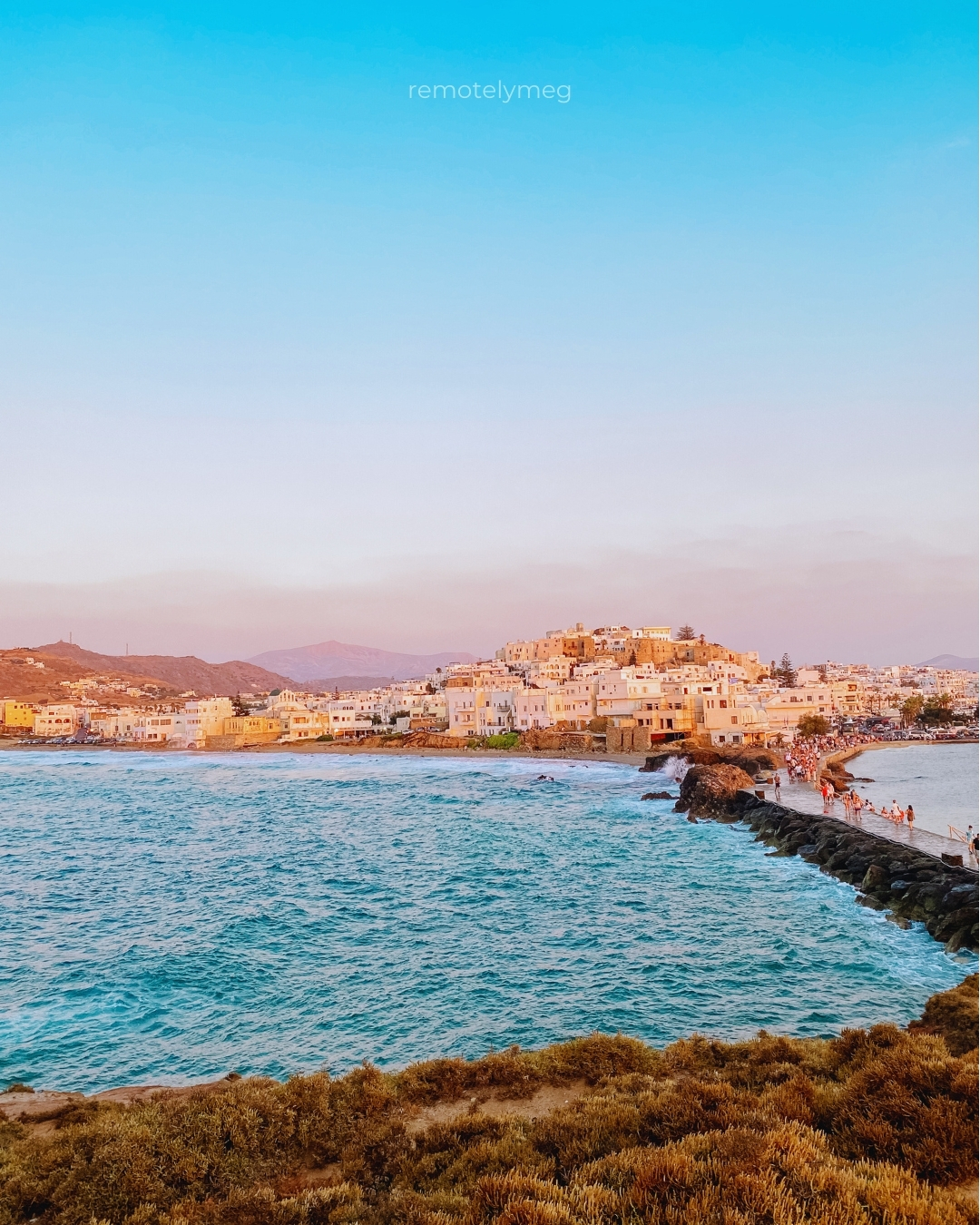
This is the capital and main port of the island, and is where you will arrive by ferry. It is a charming town with a mix of Cycladic architecture, Venetian influences, and a lively waterfront. The town is characterised by narrow, winding streets, whitewashed houses, and numerous shops, restaurants, and cafes.
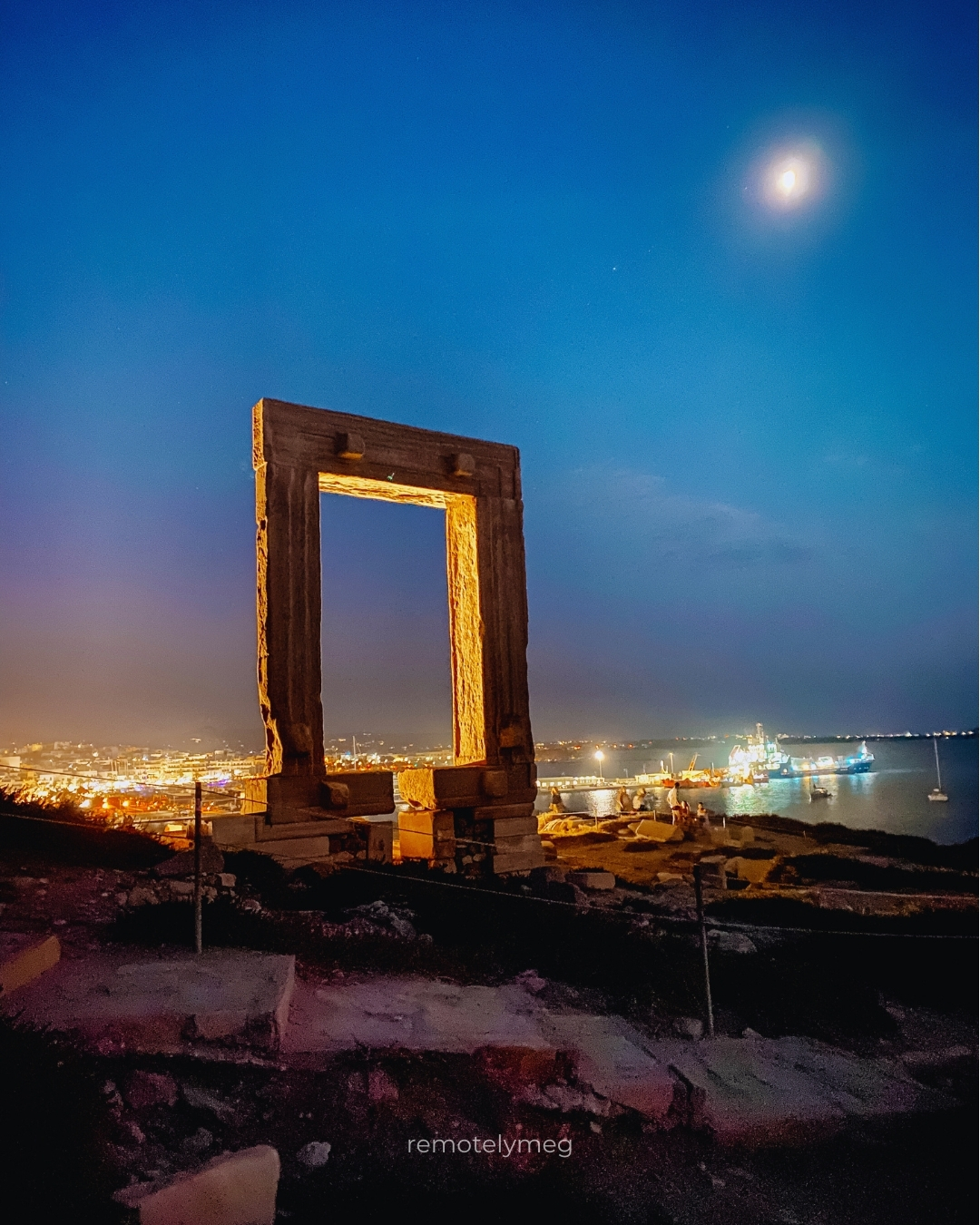
The famous landmark of Naxos Town is the Portara, a large marble gate that is a remnant of an ancient temple dedicated to Apollo.

Inland Towns
A journey inland will have you winding through cute villages and fertile farmlands. Here are a few of the highlights you have to venture to see when visiting Naxos.
Filoti – Mt Zas, Zeus’ childhood cave
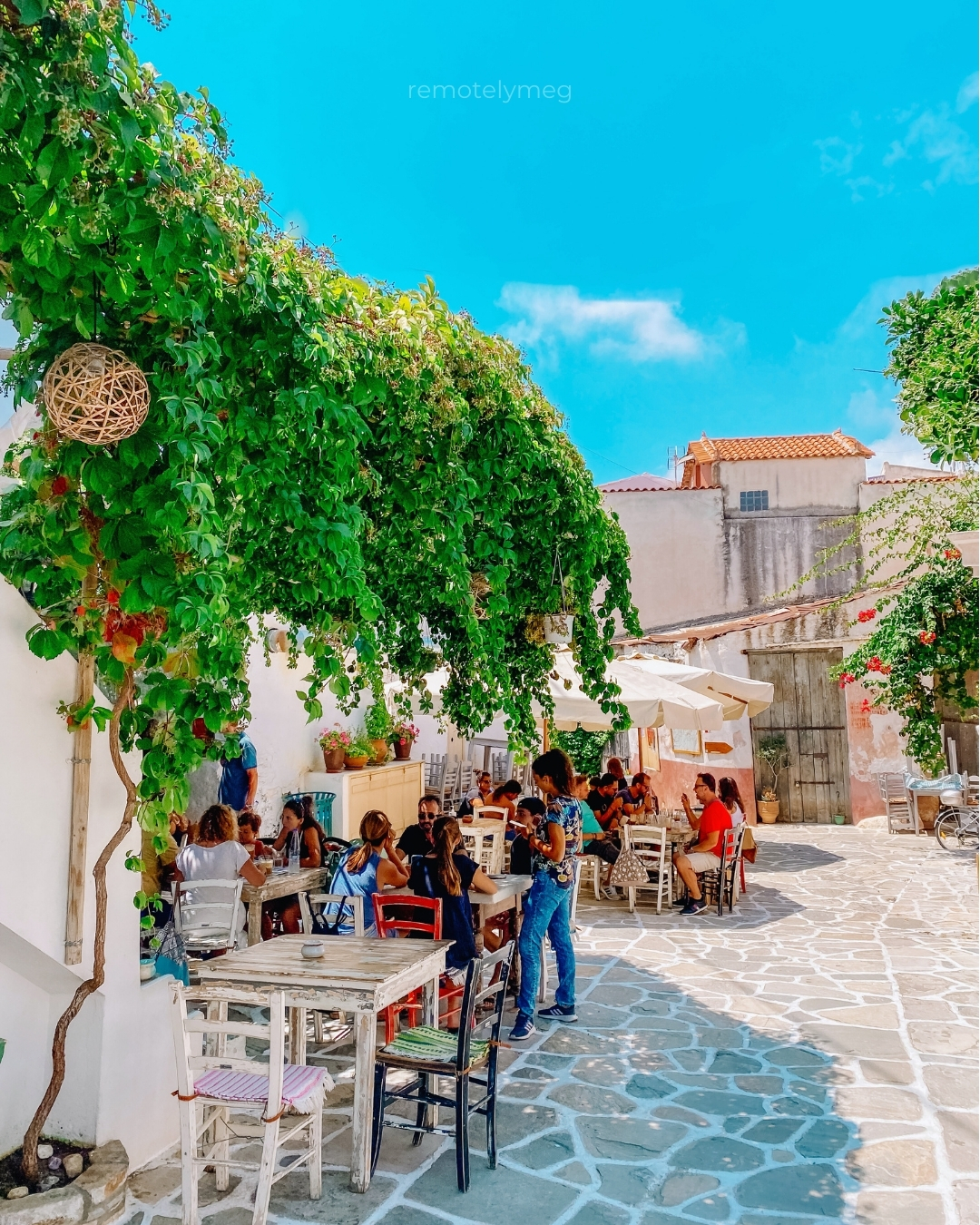
Filoti, a traditional inland village, is located at the foothills of Mount Zas, which is the highest peak in Naxos and is where Zeus was raised, according to mythology. Filoti offers a glimpse into traditional Cycladic life, with its whitewashed houses, quaint streets, and local tavernas serving authentic Greek cuisine.
Apiranthos – another charming inland village situated near Filoti is Apiranthos, known for its unique architecture, marble-paved streets, and preserved cultural heritage. It offers breathtaking views of the surrounding landscape and is a great place for exploring the island’s history and local traditions.
Halki (Chalki) – located in the central part of Naxos, Halki is a picturesque village with medieval towers, Venetian mansions, and old churches. It is also known for its olive groves, citrus orchards, and local products, including the famous Naxian cheese.
Sangri – a village located on the western side of Naxos, surrounded by picturesque landscapes, including olive groves, vineyards, and rolling hills. Sangri has kept its more traditional and peaceful atmosphere compared to the bustling coastal towns, which makes it a great starting point for exploring the Naxian countryside and enjoying the natural beauty of the island.
Sangri village is particularly known for its historical and archaeological sites – one of the most notable attractions is the Temple of Demeter, which dates back to the 6th century BCE. This well-preserved temple is dedicated to Demeter, the goddess of harvest and agriculture, and is an important archaeological site on the island.
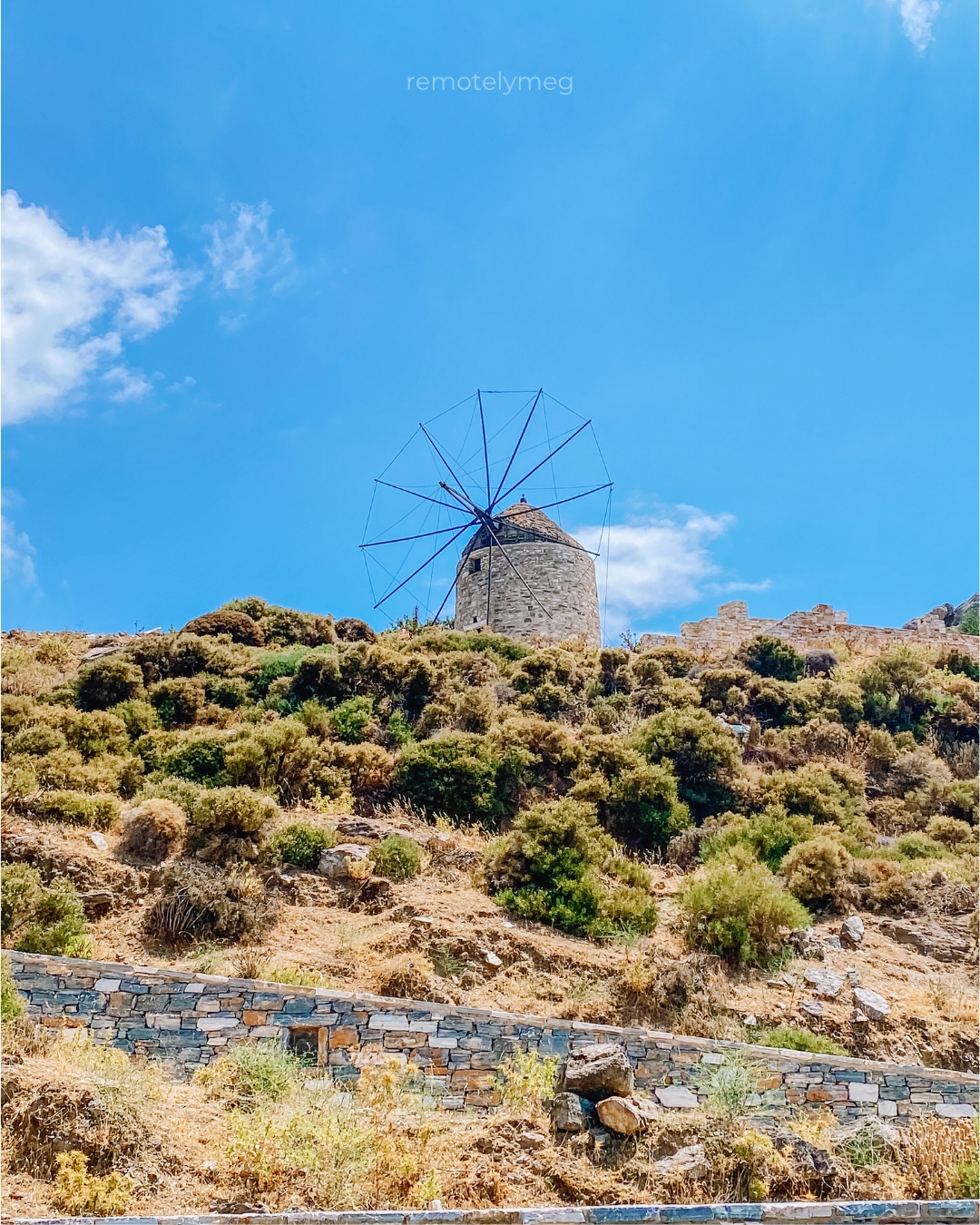
The village of Sangri is also home to several medieval Venetian towers, built as defensive structures against potential invaders – which offers great insights to the island’s history.


Along the Coastline
Whether you’re looking to enjoy the sea, engage in water activities, or simply soak up the sun, the beaches on the southwestern coast of Naxos have something for everyone.
Most of them boast soft fine sand and crystal blue waters. The most charming sandy ones are located on the western side of the island, which is also the most touristy and developed part. On the other hand, the eastern beaches are more wild and pristine.
Here’s a list of the best beaches to visit during your time in Naxos:
Agios Georgios Beach – Located near Naxos Town, Agios Georgios Beach is one of the most popular beaches on the island. It offers golden sand, crystal-clear waters, and a wide range of water sports and beachfront amenities. It’s a great spot for families and those looking to be close to the town’s amenities.
Agios Anna & Prokopios – These two neighbouring areas, located on the western coast of Naxos, are famous for their beautiful beaches. Agia Anna and Agios Prokopios offer stunning sandy shores, clear waters, beach bars, and water sports facilities. They are ideal destinations for sunbathing, swimming, and relaxing by the sea.
Plaka – Situated on the southwest coast of Naxos, Plaka Beach is a long, sandy beach known for its natural beauty and tranquil atmosphere. It’s a great place for those seeking a more secluded and less crowded beach experience.
Orkos Beach – Orkos Beach is a picturesque sandy cove that’s often considered one of the most beautiful and tranquil beaches on Naxos. It’s relatively undeveloped, offering a more natural and serene environment. The beach is surrounded by rocky formations and hills, adding to its scenic charm. Orkos Beach is a great spot for relaxation and unwinding. This beach has limited facilities, so it’s recommended to bring your essentials such as water and snacks.
Mikri Vigla – Mikri Vigla Beach is another popular coastal area nearby, known for its extensive sandy shoreline and excellent conditions for windsurfing and kiteboarding. The beach is divided into two sections: the southern part (known as Mikri Vigla South) and the northern part (known as Mikri Vigla North or Parthena Beach).
Alyko and Hawaii Beach – The beautiful beach of Alyko, located in the south-west of Naxos, is known for its golden sand dunes, crystal-clear turquoise waters, and tranquil atmosphere as it is relatively secluded and less crowded. Hawaii beach is located just next to it, and is a smaller beach situated against golden sand cliffs, which you have to climb down to gain beach access.
Psili Ammos Beach – Situated on the eastern coast of Naxos near the village of Kanaki, this secluded long sandy beach is perfect for peace and quiet, and a relaxing summer day. The sea has no rocks and is perfect for snorkelling. Because it is so secluded, there are no facilities so bring your own umbrella and snacks.


Highlights of Naxos
With Naxos being such a large island, there are so many places to explore, it can get a little overwhelming!
We stuck to Naxos Town, ventured inland to a few villages, and explored the west coasts of the island during our 3 days.
Visit the many beautiful beaches – my favourites were Hawaii Beach, Mikri Vigla and Agia Anna.
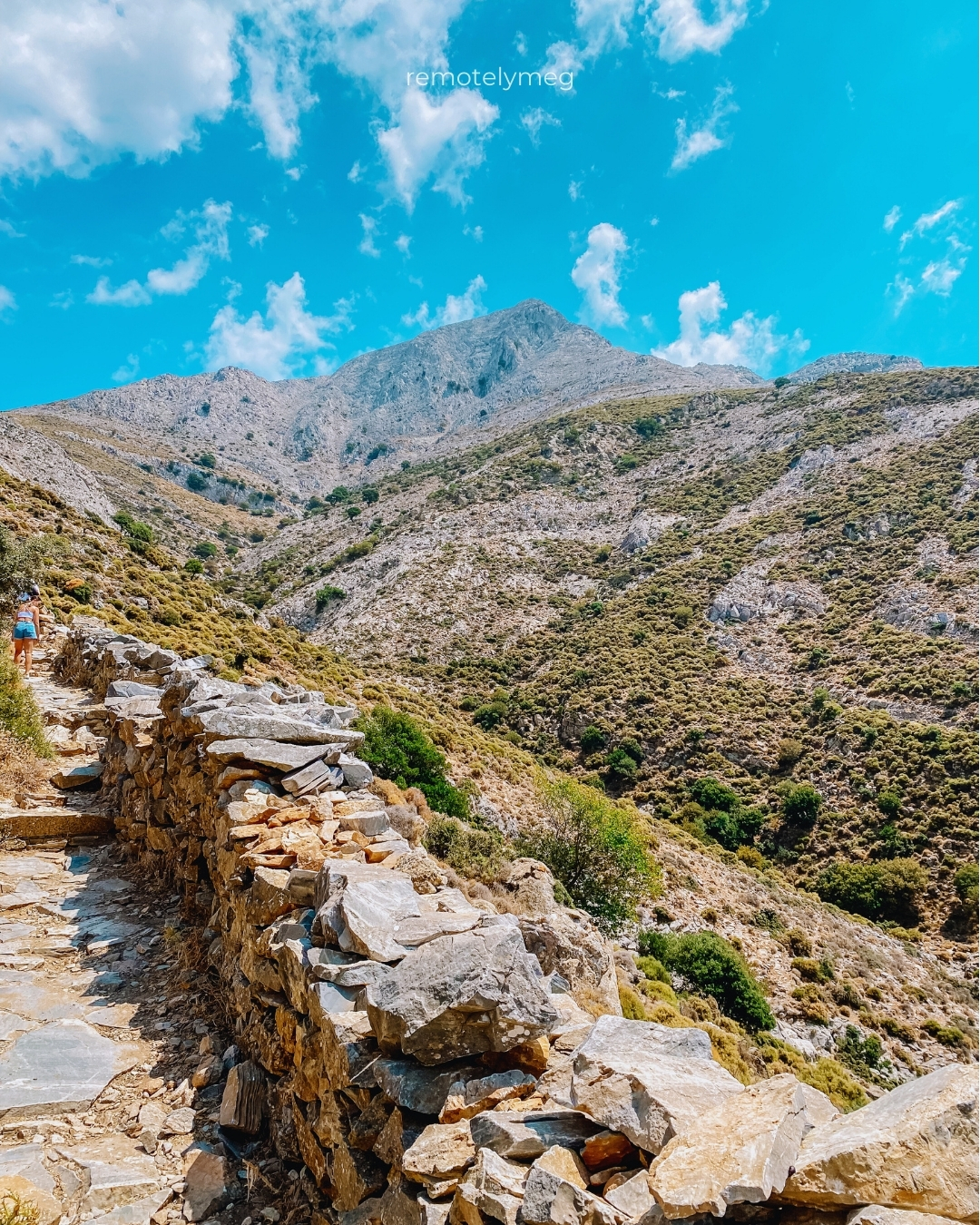
Hike to Zues’ Childhood Cave – at the base you will find a natural spring and pond, and hiking up to the cave you get a great view of the Naxos landscape. The hike is not too intense, and inside the cave is quiet and spooky. All in all the view from the top really made it worth it.
Visit the Temple of Demeter – The ride itself amongst the farmlands makes for a great expedition, and if you are into Greek Mythology or archeology, this is an interesting temple to visit as Demeter, the goddess of Harvest and Agriculture, plays an important role on the island.
Visit the Temple of Dionysus – One of the most important sanctuaries of ancient Naxos, built in the 13th century BC and dedicated to Dionysus – the god of fertility, wine, and theatre. The temple is situated just 5km from Naxos Town, in Glinado Village, and can be visited easily on your way out of Naxos Town when off to sight-see inland for the day.
The Kouros of Melanes – Just outside the town of Melanes lies two unfinished and abandoned marble sculptures depicting young male figures from 6th century BCE. In Greece, ‘Kouros’ is a name given to statues of young males, which represents youth. There are three Kouros in Naxos, two near Melanes and one near Apollonas. One statue lies near the Melanes village and is called the Flerio Melanes Kouros, the other Kouros of Melanes, Faragi Kouros, you will find a bit further in an ancient quarry.
It’s a beautiful drive through the farmlands and vineyards, and when arriving at the first statue site you’ll find big beautiful trees and stone walkways. The walk to the second Kouros provides a great view of the village and marble mines surrounding you. The experience allows you to understand and appreciate the skill and creativity of ancient sculptors.
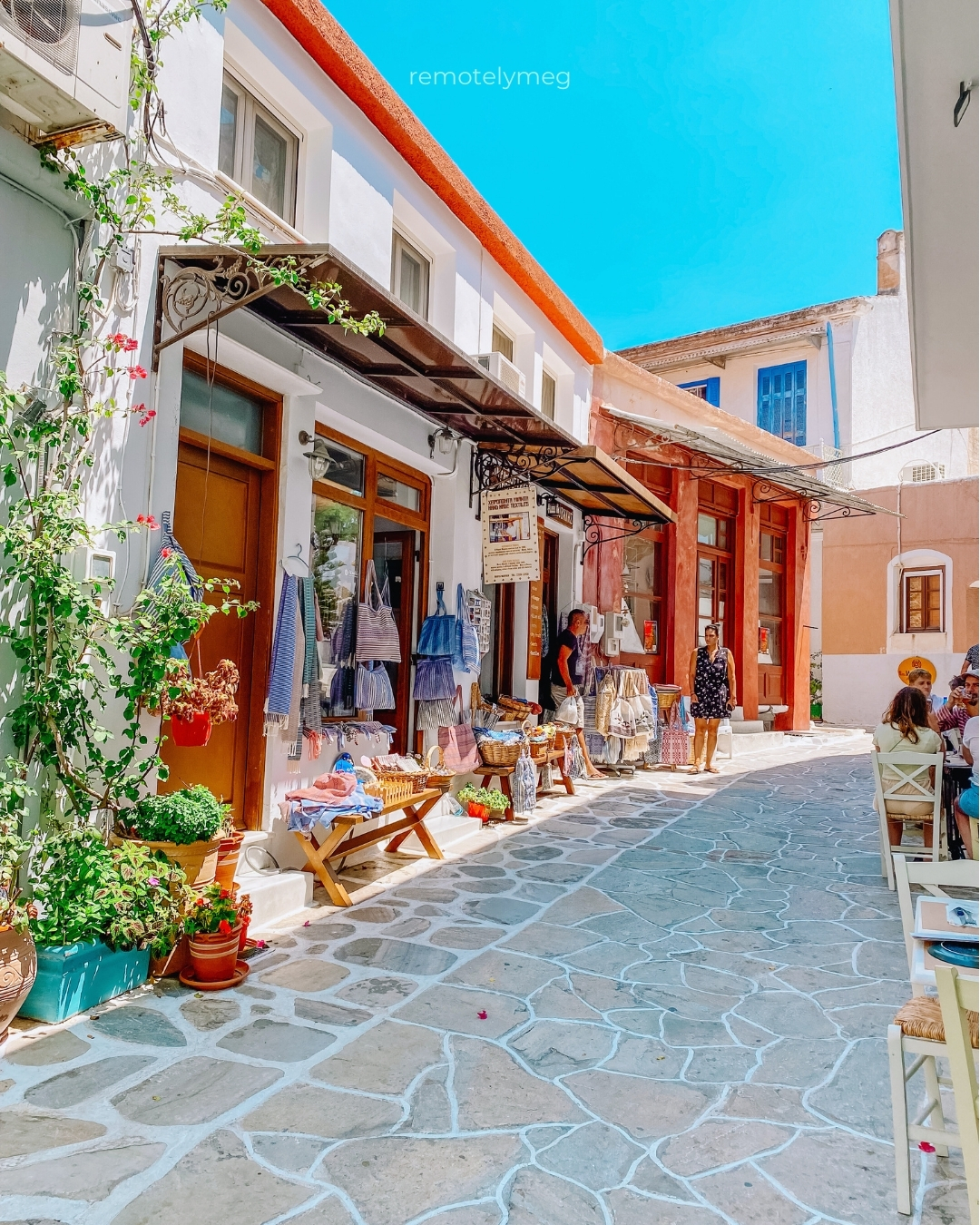
Visit “Dolce Vita” cafe & patisserie in Halki – this was one of my absolute best memories during my time on Naxos. The cafe is set on a charming colourful street draped with bougainvilleas and chatty locals. I loved getting lost in this little town and ending it off sitting outside this little cafe with delicious pastries.
Cliff jump at Sauts de Rochers – at your own risk. We spent a few hours at this incredible cove cliff jumping into the crystal clear water and watching a few brave locals practice many tricks. Please note that we did this with a group, and we assessed the tide beforehand to ensure it was deep enough for us to jump. Be careful and test the depths first as there are rocks beneath the water.
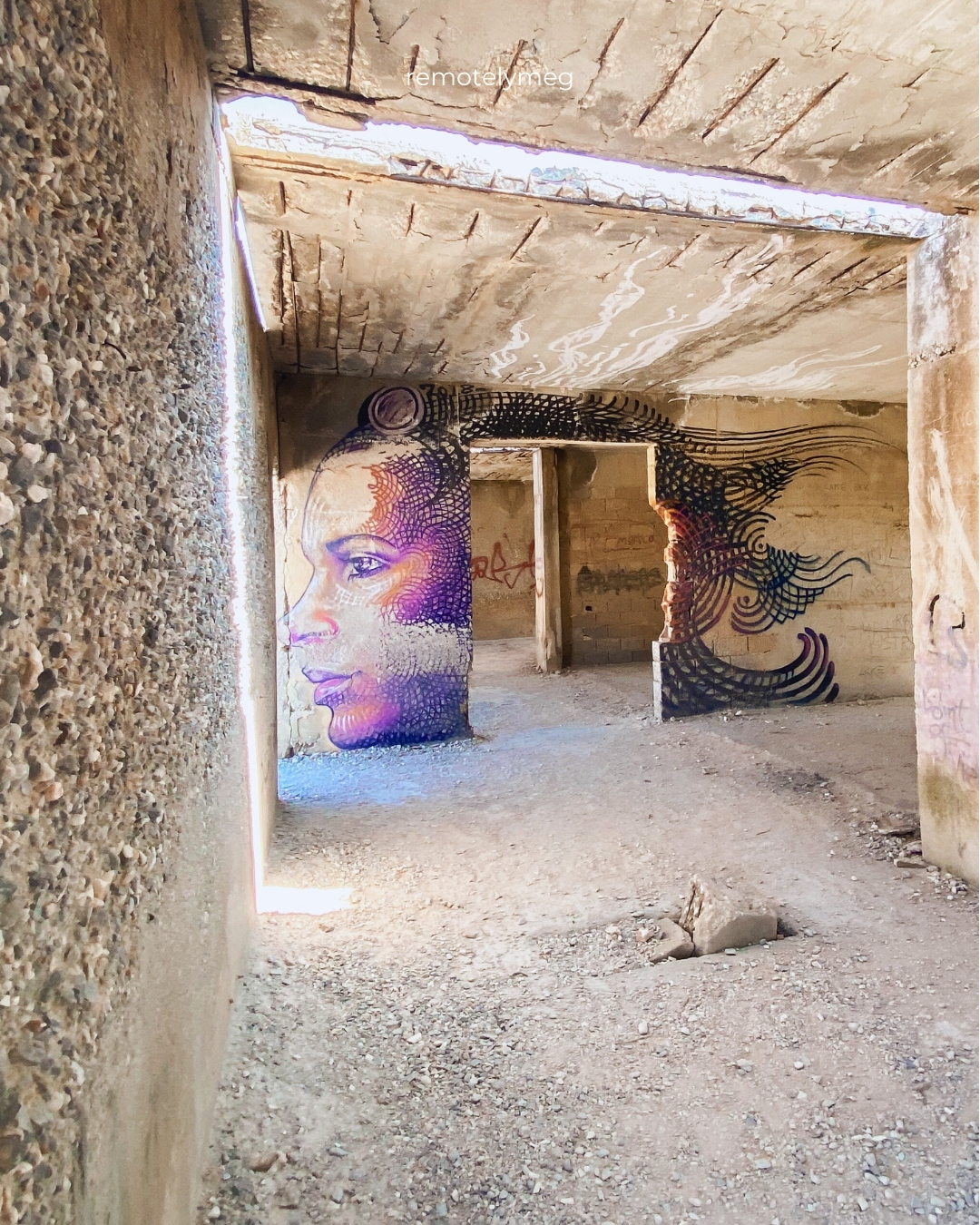
Visit the abandoned graffiti hotel – found near Hawaii Beach (WD Street Art Alyko) – this is an absolute must for the bucketlist. It’s an abandoned hotel that graffiti artists have taken over as their blank canvas to create some incredible art pieces. Walk around the unfinished building site with the blue mediterranean backdrop and admire some incredible artworks while you imagine the exquisite hotel that could have been.


Visit the Portara – Situated on a hill outside the port of Naxos stands a large marble gate know as the Portara, which is all that remains of an ancient temple that was dedicated to Apollo, the God of Sun and Light. It is an impressive structure to admire, and from this viewpoint you look out onto the other Cycladic islands that surround Naxos. While usually crowded during the busy summer seasons, this really is the place to watch a beautiful sunset over the Mediterranean Sea. Grab a picnic blanket and a few snacks and find a spot on the hill to sit and take in the beauty.
Explore the town of Naxos – The town of Naxos, or Chorra, is a bustling little town with so much charm. I loved getting lost in the winding streets and taking in the Naxos architecture, which was completely different to the other Cycladic towns such as Mykonos. This goes to show that each Greek island has its own unique charm, character and history – which is why I am on a personal mission to visit as many as I possibly can.
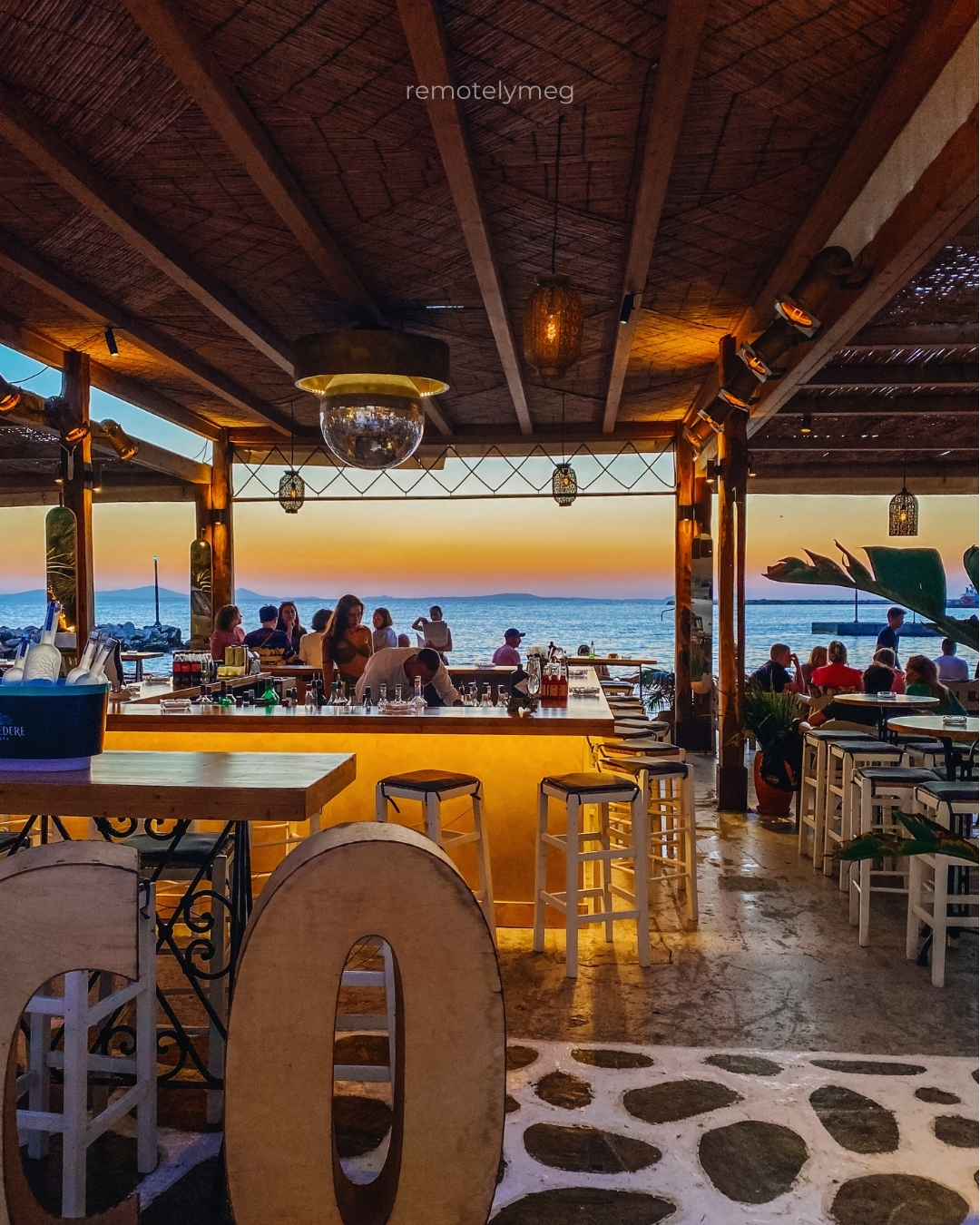
At night the town comes alive with tradition, and you can experience local music and dancing at different restaurants and tavernas. There’s also some more modern bars playing commercial music and serving some creative cocktails if you prefer.
Flamingos Traditional Greek Experience – an absolute must to immerse yourself in the traditional experience of a Greek Festivity. You are in for a treat of a night, from mouth watering traditional cuisine to Greek music, dancing and smashing plates with the backdrop of the Aegean Sea and Cyclades. It goes down as one of my best nights travelling. Book ahead of time to avoid disappointment.


Getting to Naxos
To get to Naxos you will either take a ferry from Athens or one of the surrounding islands, or you can fly into Naxos – however this might be more expensive.
A warning to anyone relying on the ferry – never trust the ferry times as they can be running late weather depending. We missed our flight from Mykonos back to Athens because our ferry was delayed for 2.5 hours. It was a nightmare.
Getting around Naxos
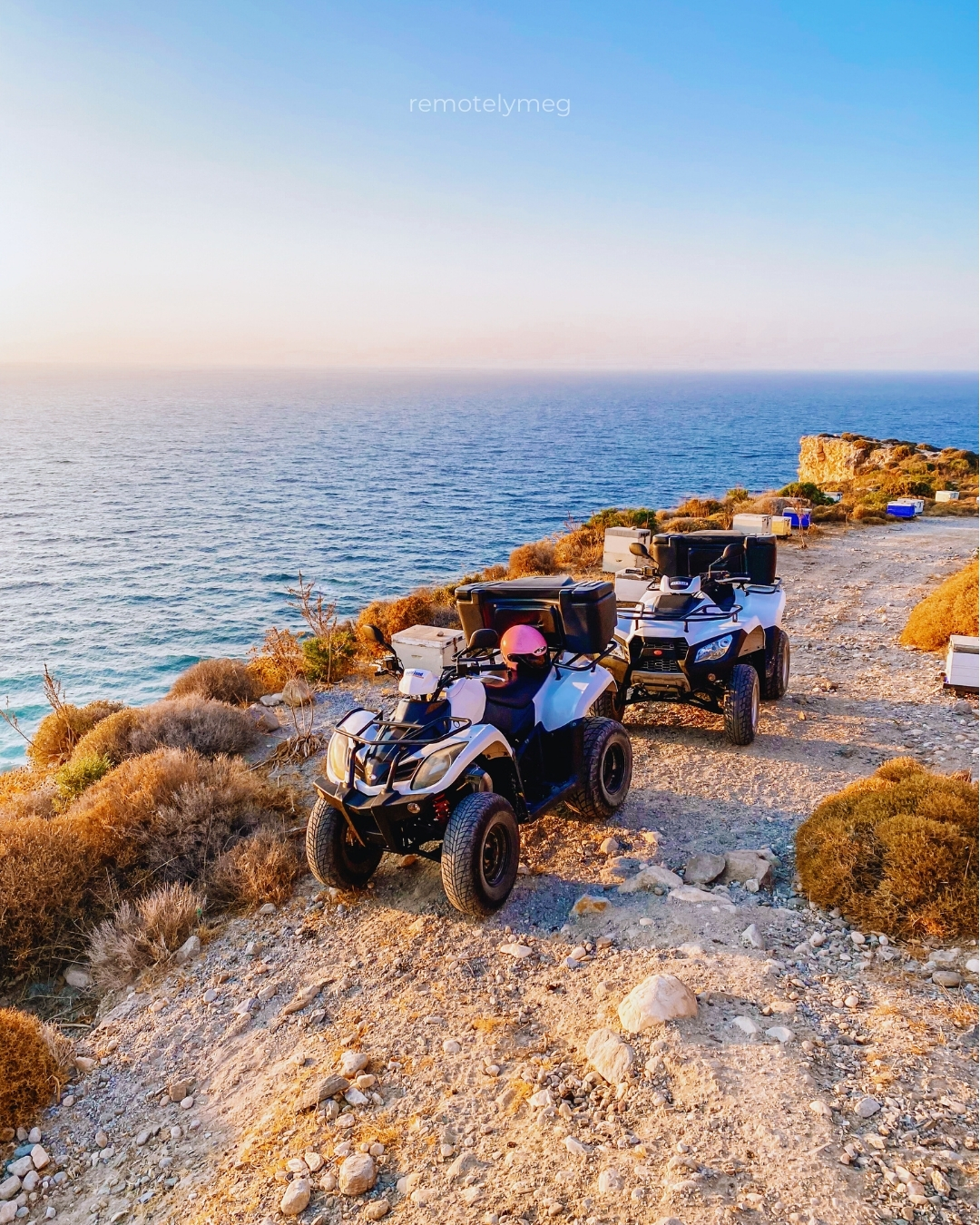
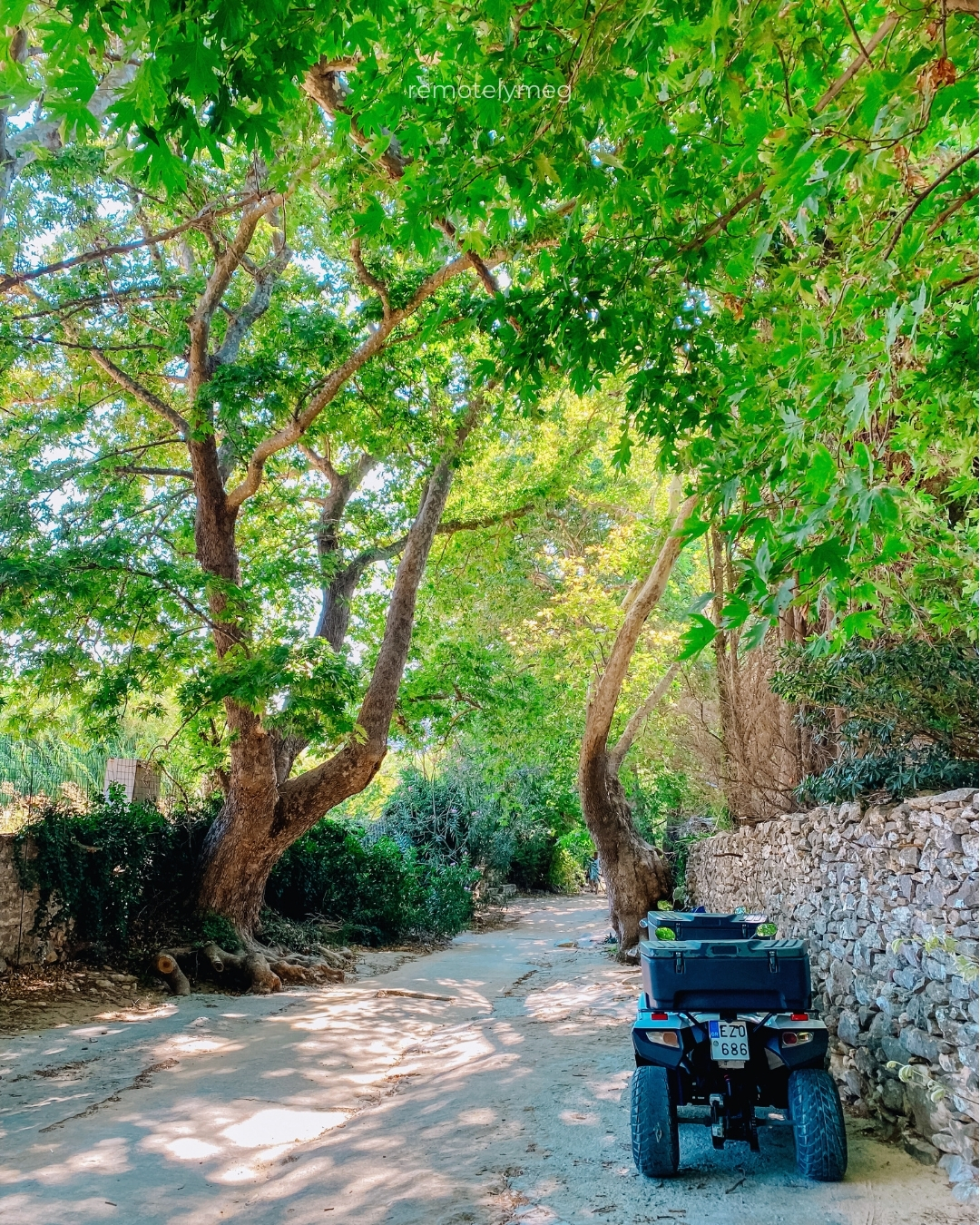
Because Naxos is such a large island, I would recommend renting a form of transport for your holiday (or just on the days you decide to venture inland and to the further beaches). There are so many incredible spots to see inland and down the coastline that it would be a shame to not be able to explore the entire island. We rented ATVs, and took amazing day excursions across the island visiting the cultural towns and hikes inland and then traveling the coastline for some of the best beaches.
Here are some options for getting around Naxos:
Rent a car (safest option, most expensive, hard to find parking in busy season)
Rent a scooter (least safe option, cheapest option, easiest parking)
Rent an ATV (safer than a scooter, more affordable than a car, easier to find parking)
Taxi (super expensive considering you will be travelling long distances in Naxos)
Local bus (most affordable, but you will waste a lot of your holiday waiting for buses – I wouldn’t recommend this)
Out of all these options we opted for an ATV as we were warned about scooter safety on the chaotic narrow roads, and it was safer than a scooter but more affordable than a car, and we didn’t want to spend our limited time on the island waiting for a bus.
I loved this option, we explored the island with the fresh air blowing through our hair and sun on our faces.
Important things to note about Naxos
It is a known fact for almost all the Greek islands you visit that you should not drink the tap water as the island’s water recycle system is not great, especially in the busy tourist season. However, it really hurt me to have to buy constant plastic water bottles, so I tried my best to boil water and then cool it in the fridge before decanting it into my reusable bottle, but, I know that is not always the easiest option.
Be conscious of the unnecessary plastic you use on holiday – carry a reusable bag for when you go to the shops, opt out of the straws in your cocktails if you can or carry a reusable straw in your bag. Little things like this can go a long way.
My Honest Review
I absolutely loved my time on Naxos and would go back in a heartbeat. I love how much adventure and exploration the island offered, from cliff jumping into crystal-clear water, hiking to the top of the mountains, driving through the lush farmlands and vineyards and wandering the small vibrant towns, I was blessed with the full Greek island experience here on Naxos. I cannot recommend it enough.
The locals were wonderfully friendly and welcomed tourism, and this wasn’t necessarily the case on other islands such as Mykonos.
The traditional music and dancing was something I hadn’t experienced as much of anywhere else during my time in Greece, so looking back I am so happy I had the traditional Greek experience that Naxos offered. The architecture and landscape is also so unique to the island and unlike any other I saw. I believe that every Greek island has its own character, and I think Naxos should definitely be on your list to explore and experience its unique vibrant charm.
Our host in Naxos said to us, Santorini is your first love, and Naxos is the man you marry… and as we know – locals know best!
Read My Honest Reviews of the other Greek Islands here.


 remotelymeg